

KAUST gets research grant to support coral reef conservation projects

1 / 2
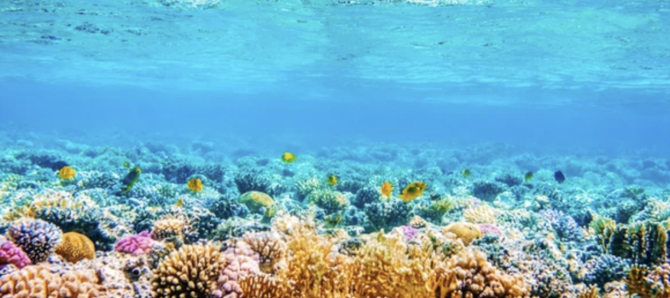
A research grant to support coral reef conservation research projects along the coast of Saudi Arabia has been awarded to KAUST. (Shutterstock)
2 / 2
A research grant to support coral reef conservation research projects along the coast of Saudi Arabia has been awarded to KAUST. (Shutterstock)
Short Url
Updated 12 April 2022
Follow

KAUST gets research grant to support coral reef conservation projects

  • According to the US National Oceanic and Atmospheric Administration, coral reefs are important for the marine ecosystem and coastal areas and communities

JEDDAH: A research grant to support coral reef conservation research projects along the coast of Saudi Arabia has been awarded to King Abdullah University of Science and Technology.

The grant, given by Amazon in Saudi Arabia, aims to support research efforts to address multiple threats facing coral reefs globally, including the causes of coral bleaching related to rising sea temperatures and the role of oxygen supply.

The research will also include experimental observation to study the adaptation of algae to increasing water temperatures.

According to the US National Oceanic and Atmospheric Administration, coral reefs are important for the marine ecosystem and coastal areas and communities. They support a quarter of all marine life and protect against flooding.

But both shallow and deep water coral reefs face various threats and challenges such as climate change, fishing, and pollution.

The research project also aims to provide new tools for the Global Reef Research and Development Accelerator Program, a global environmental initiative launched by G20 members during Saudi Arabia’s presidency in 2020.

The accelerator program is a collaborative effort among different countries and sectors to improve coral reef conservation efforts around the world through science and technology with the shared goal of preserving and restoring the coral reef ecosystem.

Amazon’s research grant for the project comes as part of its efforts to support conservation work in communities where it operates.

Hatem Samman, head of public policy for Amazon Saudi Arabia, said that by supporting the KAUST coral reef conservation project and contributing to the Global Coral Reef R&D Accelerator Platform initiative, the company was also supporting Saudi Arabia’s environmental efforts as well as that of the world at large in combating climate change.

The research will also work toward launching an awareness campaign to showcase the importance of coral reefs and the role they play, the threats they face, and the public’s role in protecting them.

The project aims to tackle the threats coral reefs face on a global scale, and the capacity of the coral reefs in the Red Sea to withstand those threats, as coral reef conservation is part of the Kingdom’s sustainability efforts.


Saudi defense chief rallies international support amid escalating Iranian strikes

Updated 12 March 2026
Follow

Saudi defense chief rallies international support amid escalating Iranian strikes

  • Iran unleashes wave of drone strikes on Kingdom’s Eastern Province
  • Missiles fired at Prince Sultan Air Base intercepted, destroyed

RIYADH: Saudi Defense Minister Prince Khalid bin Salman held separate phone calls with his Turkish, Romanian, and South Korean counterparts as Iranian attacks on Gulf facilities continued on Thursday.

Iran escalated strikes on its Gulf neighbors in retaliation for ongoing US-Israeli attacks on Iranian territory. 

After a brief pause Wednesday, drone attacks on Saudi Arabia resumed at 9 p.m., targeting the Eastern Province and the Shaybah oil field in the Empty Quarter. All the drones were stopped, the Saudi Ministry of Defense confirmed.

Missiles aimed at Prince Sultan Air Base in Al-Kharj were also intercepted and shot down, the ministry added.

In his call with Turkish Defense Minister Yasar Guler, Prince Khalid reaffirmed commitment to joint security measures and condemned Iranian aggression. 

His conversation with Romanian counterpart Radu Miruta covered regional threats to global stability. 

A call with South Korea’s Ahn Gyu-back similarly focused on condemning Iran’s actions and reviewing the broader regional picture.

The crisis traces back to February 28, when US and Israeli forces struck Iran. Tehran has since targeted Gulf states and US-Israeli assets across the region.

Iran has also declared a blockade on energy shipments through the Strait of Hormuz — a critical chokepoint for global oil and gas flows — sending commodity prices surging.