

SAMA signs off permits for three new open banking fintech companies

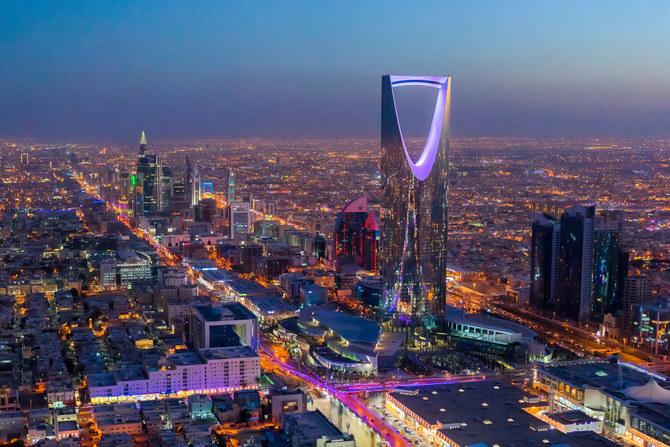
Riyadh (Getty)
Short Url
Updated 29 March 2022
Follow

SAMA signs off permits for three new open banking fintech companies

RIYADH: The Saudi Central Bank, also known as SAMA, has granted permits allowing three new fintechs to operate under its regulatory sandbox, bringing the total number to 35.

Customers of Bwatech, Rabet and Mala'a will now be able to access their banking information and have it shared securely with banking service providers.

These companies also fall within the operational framework of the regulatory sandbox in line with SAMA's efforts to digitize and improve financial services and accelerate the digital transformation of the financial sector. 

SAMA is working with the financial sector to build and equip an integrated system for the implementation of open banking services across the Kingdom, in accordance with the best regulatory standards for new and innovative services and technologies. 

This stage of the program will also encourage financial sector participants to start designing and planning for the implementation of new and innovative financial products and services that are in accordance with relevant open banking practices.


Saudi Arabia’s foreign reserves rise to a 6-year high of $475bn

Updated 22 February 2026
Follow

Saudi Arabia’s foreign reserves rise to a 6-year high of $475bn

RIYADH: Saudi Arabia’s foreign reserves climbed 3 percent month on month in January to SR1.78 trillion, up SR58.7 billion ($15.6 billion) from December and marking a six-year high.

On an annual basis, the Saudi Central Bank’s net foreign assets rose by 10 percent, equivalent to SR155.8 billion, according to data from the Saudi Central Bank, Argaam reported.

The reserve assets, a crucial indicator of economic stability and external financial strength, comprise several key components.

According to the central bank, also known as SAMA, the Kingdom’s reserves include foreign securities, foreign currency, and bank deposits, as well as its reserve position at the International Monetary Fund, Special Drawing Rights, and monetary gold.

The rise in reserves underscores the strength and liquidity of the Kingdom’s financial position and aligns with Saudi Arabia’s goal of strengthening its financial safety net as it advances economic diversification under Vision 2030.

The value of foreign currency reserves, which represent approximately 95 percent of the total holdings, increased by about 10 percent during January 2026 compared to the same month in 2025, reaching SR1.68 trillion.

The value of the reserve at the IMF increased by 9 percent to reach SR13.1 billion.

Meanwhile, SDRs rose by 5 percent during the period to reach SR80.5 billion.

The Kingdom’s gold reserves remained stable at SR1.62 billion, the same level it has maintained since January 2008.

Saudi Arabia’s foreign reserve assets saw a monthly rise of 5 percent in November, climbing to SR1.74 trillion, according to the Kingdom’s central bank.

Overall, the continued advancement in reserve assets highlights the strength of Saudi Arabia’s fiscal and monetary buffers. These resources support the national currency, help maintain financial system stability, and enhance the country’s ability to navigate global economic volatility.

The sustained accumulation of foreign reserves is a critical pillar of the Kingdom’s economic stability. It directly reinforces investor confidence in the riyal’s peg to the US dollar, a foundational monetary policy, by providing SAMA with ample resources to defend the currency if needed.

Furthermore, this financial buffer enhances the nation’s sovereign credit profile, lowers national borrowing costs, and provides essential fiscal space to navigate global economic volatility while continuing to fund its ambitious Vision 2030 transformation agenda.