



RIYADH: Women are increasingly making names for themselves in boardrooms across the Arab world as reforms and empowerment initiatives provide new opportunities. Their future successes will be built on the work of pioneering Arab women who laid the foundations for the next generation of female business leaders in the region. Here, we profile nine of them.

Sarah Al-Suhaimi
Chairperson of the Saudi Arabian Stock Exchange
SAUDI ARABIA
Al-Suhaimi has been head of the Saudi Arabian Stock Exchange, also known as Tadawul, since February 2017. The first Saudi woman to hold the position at the largest stock market in the Middle East, she was reappointed chairperson of the board of directors in 2020.
In addition she has been CEO and a member of the board of directors of the National Commercial Bank since March 2014. In April 2021, NBC merged with banking firm Samba and was renamed Saudi National Bank.
Al-Suhaimi served as vice-chairperson of the advisory committee to the board of the Capital Market Authority between 2013 and 2015, and before that as chief investment officer at Jadwa Investment.
She was named one of “50 people to watch” by Bloomberg Businessweek in 2017.

Randa Mohammed Sadik
CEO of Arab Bank
JORDAN
Arab Bank, one of the largest financial institutions in the Middle East, was the first private-sector business of its kind in the Arab world when it was founded in 1930 in Jerusalem, Mandatory Palestine. Its headquarters are now Amman, Jordan, and it has more than 600 branches on five continents.
Sadik, a Jordanian national, served for more than 10 years as deputy CEO of Arab Bank before becoming CEO last year.
She previously worked at the National Bank of Kuwait for 24 years, including a spell as Group General Manager of the International Banking Group.
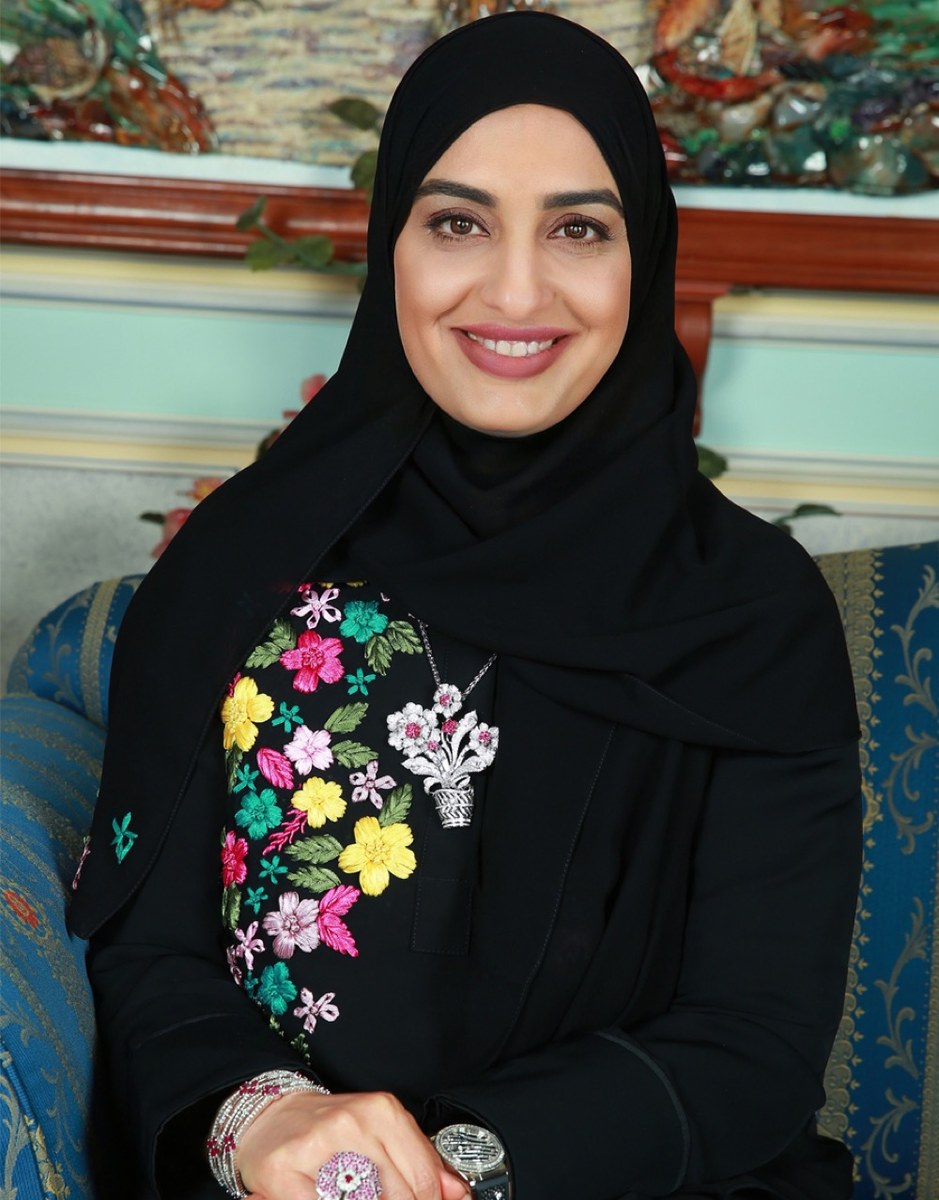
Areej Mohsin Haider Darwish
Chairperson of Mohsin Haider Darwish’s Automotive, Construction, Equipment and Renewable Energy cluster
OMAN
Mohsin Haider Darwish, a renowned and leading business house in the Middle East, earned a place on the 2020 Forbes list of the Top 100 Arab Family Businesses in the Middle East. It has a diverse business presence, with a variety of interests in trading, contracting and projects. It has brought a number of international brands to Oman, including Land Rover, Jaguar, McLaren, Volvo, MG, Ford, Ashok Leyland, Huawei, Hitachi, KDK and DAIKIN.
Darwish graduated from Sultan Qaboos University with a bachelor’s degree in computer science. Her career began with a position at Petroleum Development Oman. She joined MHD, the family business, in 1994 and with the guidance, support and motivation of her father, she worked her way up to become chairperson of its Automotive, Construction, Equipment and Renewable Energy cluster of operations.
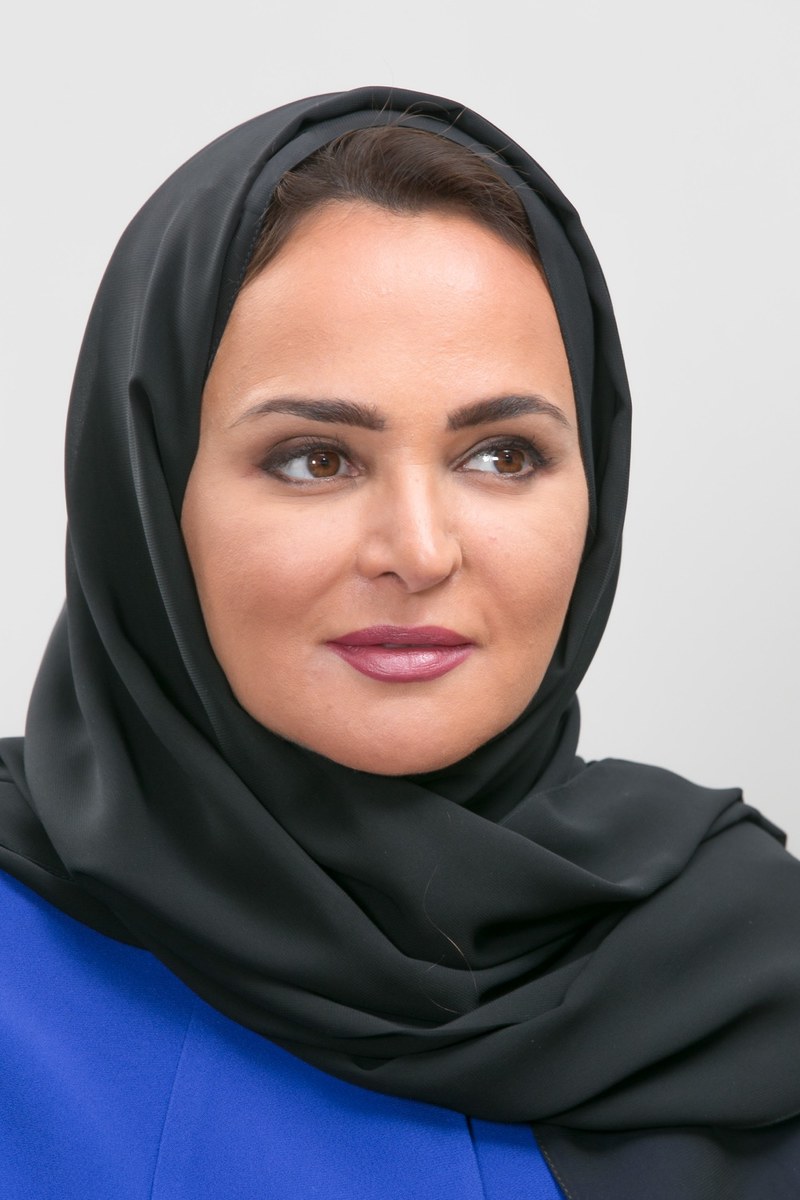
Sheikha Hanadi Nasser Bin Khaled Al-Thani
Founder of Amwal and Al-Waab City
QATAR
Sheikha Hanadi began her career as an assistant lecturer in economics at Qatar University. In 1998 she founded the Qatar Ladies Investment Company, known as Amwal, the first investment company granted a license by Qatar Central Bank to conduct investment banking and asset and wealth management in the country.
In 2005 she founded Al-Waab City, an urban community development featuring more than 1.2 million square meters of mixed-use amenities. She is also founding chairperson of car dealership Q-Auto.
Sheikha Hanadi is chairperson of education and training organization INJAZ Qatar and a board member of INJAZ Al-Arab. She is a member of the Middle East board of Planet Finance and the advisory board of the Legatum Center for Development and Entrepreneurship at the Massachusetts Institute of Technology.
She has been on Arabian Business magazine’s list of Most Influential Arabs for several consecutive years, and was named a Young Global Leader by the World Economic Forum in 2005.
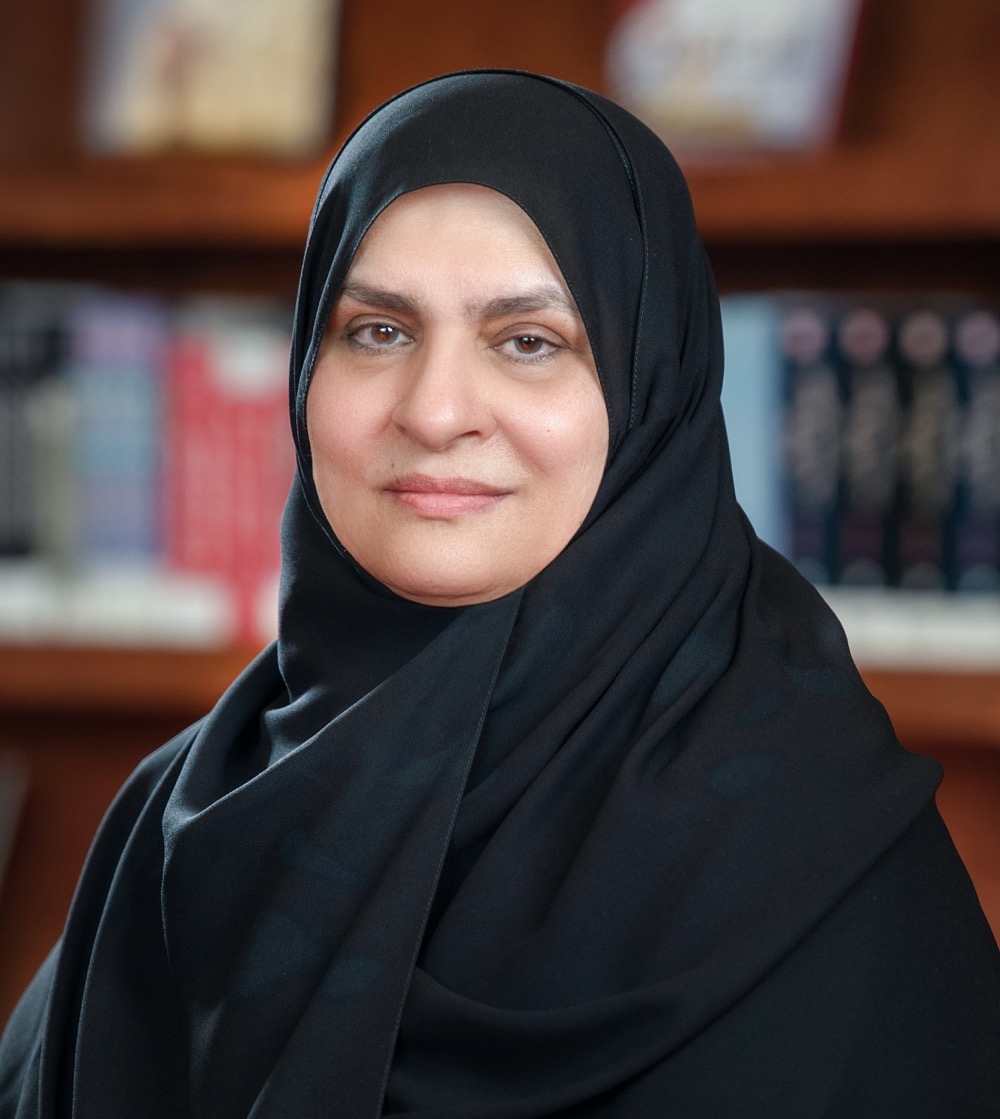
Raja Easa Al-Gurg
Group managing director and vice-chairperson of Easa Saleh Al-Gurg Group
UAE
Known for her leadership of the family business, a conglomerate consisting of more than 20 businesses in a number of sectors including retail, construction, industrial and real estate, Al-Gurg is also a business leader in her own right, carving a niche through her support for female Arab entrepreneurs. She is president of Dubai Business Women Council and on the board of the Dubai Chamber of Commerce and Industry.
She serves as deputy chairperson of the National Bank of Fujairah, is on the advisory board of Coutts Bank, the wealth-management division of Royal Bank of Scotland Group, and on the board of trustees of community-development foundation Mohammed bin Rashid Al-Maktoum Global Initiatives.
In 2020, Al-Gurg received the Legion of Honor, Chevalier, from French President Emmanuel Macron, for enhancing bonds between France and the UAE.
She ranked top of the 2020 Forbes list of 100 Power Businesswomen in the Middle East, second on its 2019 list of Women Heading Family Businesses, and 89th on its 2020 list of the World’s 100 Most Powerful Women.

Mona Zulficar
Founding partner and chairperson of Zulficar and Partners, and EFG Hermes
EGYPT
In addition to her position with leading Egyptian law firm Zulficar and Partners, Zulficar has been chairperson of financial services company EFG Hermes Holding since 2008, and chairperson of the Egyptian Microfinance Federation since 2015.
An attorney for more than 35 years, she specializes in major restructuring and project finance. International legal directories consistently rank her as an expert in banking, finance, and mergers and acquisitions.
An advocate for human rights and women’s rights since 1985, Zulficar led several campaigns resulting in significant legal reforms. She is currently working on an equal opportunity and non-discrimination law.
She was an expert member of the board of the Central Bank of Egypt (2003-2011); vice-president of the Constitutional Committee of the 2014 Constitution; vice-president of the UN Human Rights Council Advisory Committee (2008-2013); chairperson of the Women’s Health Improvement Association in Cairo; and chairperson of the External Gender Consultative Group of the World Bank in Washington DC (2000–2006).

Jalila Mezni
Co-founder and CEO of Societe d’Articles Hygieniques
TUNISIA
Entrepreneur Mezni — co-founder and CEO of Societe d’Articles Hygieniques, which makes diapers, tissues, and other hygiene products — weathered the storm of the Arab Spring over the past decade and guided her business through the worst of it.
She founded SAH in 1995 after quitting her job as vice-president of a Tunisian bank. She saw an opportunity in the hygiene-products industry and, at the suggestion of a colleague, applied to a government program that provided her with cheap land and tax breaks in a poor area outside of Tunis. Her business was born.
SAH Group now has a presence in 21 African nations and employs 4,000 people at nine production facilities.

Nezha Hayat
Chairperson and CEO of the Moroccan Capital Market Authority
MOROCCO
Hayat has been chair and CEO of the Moroccan Capital Market Authority since 2016. It is responsible for the country’s non-banking capital markets, including the stock exchange and brokerage firms. She is also president of the Africa/Middle East Regional Committee of the International Organization of Securities Commissions.
An advocate for women’s rights, she is a founding member and president of Club des Femmes Administrateurs d’Entreprises, a non-profit that promotes good governance and gender diversity on the boards of public and private companies.
Her career began in Spain, where from 1985 to 1988 she worked in the international division of Banco Atlantico, responsible for global risks and restructured debt.
In 1999, she was elected president of the Association of Stockbrokers in Morocco, serving two terms. She co-founded Association des Femmes Chefs d’Enterprises du Morocco, an association for female entrepreneurs, in 2000, and was nominated as a global leader for tomorrow by the World Economic Forum in 2001.
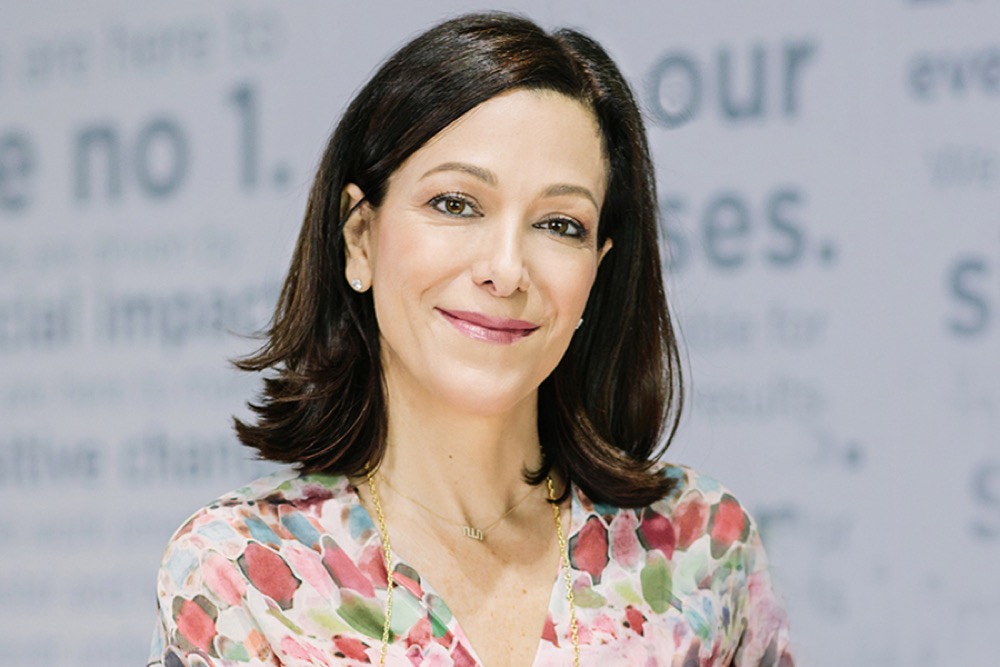
Mona Ataya
CEO and founder of Mumzworld
PALESTINE
Ataya is the CEO of Mumzworld, a leading online store for baby products in the Middle East, which she founded in 2011. In 2014 and 2015, she was ranked among the 100 Most Powerful Arab Women by Arabian Business.
While she was raising her three children, she spotted a gap in the market when she struggled to find support for mothers who need advice and help with decisions about purchases of products for their children. She decided to make it her mission to empower mothers and make a difference in the community.
To develop her skills, she landed a job with Procter and Gamble working on leading brands in the soap sector and later with Johnson and Johnson managing a broad portfolio of leading global brands, including Neutrogena and Clean & Clear. Later, she became a co-founding members of job-search site Bayt.com.


