





ALULA: On a sandy street framed by the region’s distinctive ancient rock formations, foreign visitors peruse a row of artisan craft shops selling fragrant oils, patterned abayas, delicate jewelry and embroidered bags, many of them handmade by the people of AlUla.
This is the scene today in the Al-Jadidah Arts District of AlUla Old Town, just one small part of a major transformation underway in Saudi Arabia’s historic northwest, turning this scenic desert region, roughly the size of Belgium, into a vibrant cultural oasis of galleries, sculpture parks and art schools.
It is here where the first AlUla Arts Festival opened on Feb. 13, offering visitors a thrilling program of carefully curated contemporary exhibitions and gigantic outdoor sculpture installations by a host of local and international artists.
One exhibition, “What Lies Within,” staged in AlUla’s Maraya Concert Hall, features works from the private collection of Saudi collector Basma Al-Sulaiman.
“This is really a celebratory moment for us,” Saudi artist Lulwa Al-Homoud, who curated the exhibition, told Arab News. “Basma Al-Sulaiman has been working all these years to collect and preserve Saudi contemporary art.”

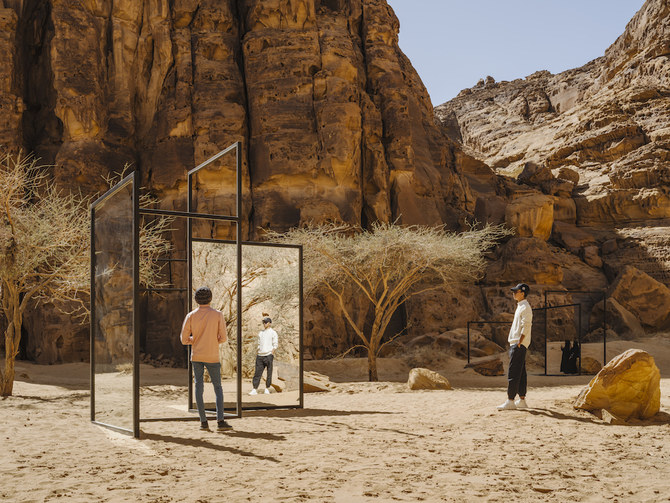
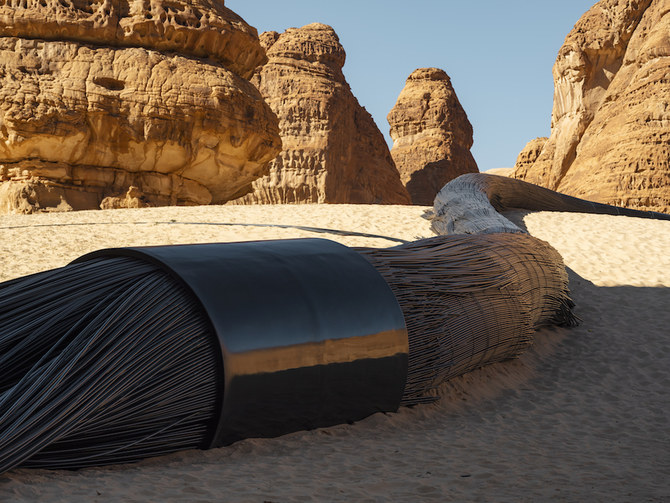
Sultan Bin Fahad installation view, Desert X AlUla 2022. (Courtesy the artist and Desert X AlUla, photo by Lance Gerber)
The exhibition features works by major Saudi artists, including Manal Al-Dowayan, Shadia Alem, Mohammed Al-Ghamdi, Lulwa Al-Homoud, Musaed Al-Hulis, Hussein Al-Mohsen, Adel Al-Quraishi, Rashed Al-Shashai, Noha Al-Sharif, Dana Awartani, Abdulnasser Gharem, Maha Malluh, Ahmed Mater, Filwa Nazer, Saddek Wasil and Ayman Yossri Daydban.
“I and the artists have been working outside the Kingdom to promote Saudi art,” said Al-Homoud. “It hasn’t been as easy as people think but all of these efforts are recognized now and we are celebrated.”
Also on the festival agenda is a photography exhibition staged by “Cortona on the Move,” an international festival of visual narratives, curated by Arianna Rinaldo and Kolhood Albakr and set across various buildings in Al-Jadidah. The new arts district will also host Cinema El-Housh, showcasing the work of Saudi arthouse filmmakers.
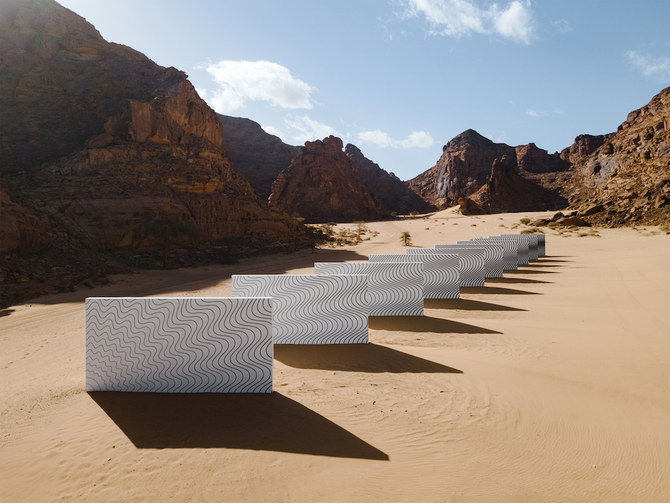
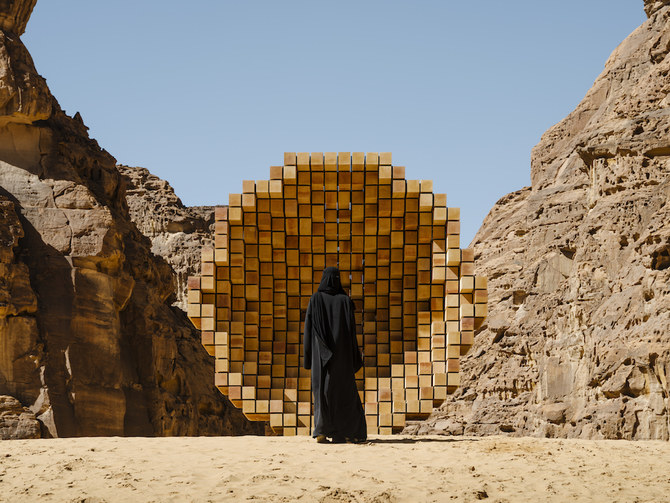
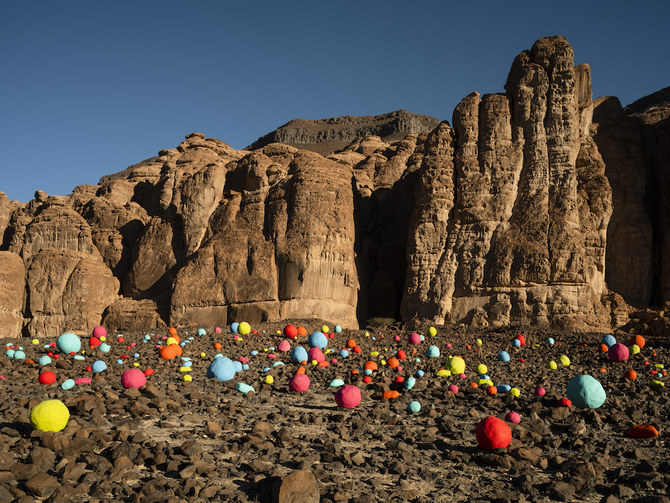
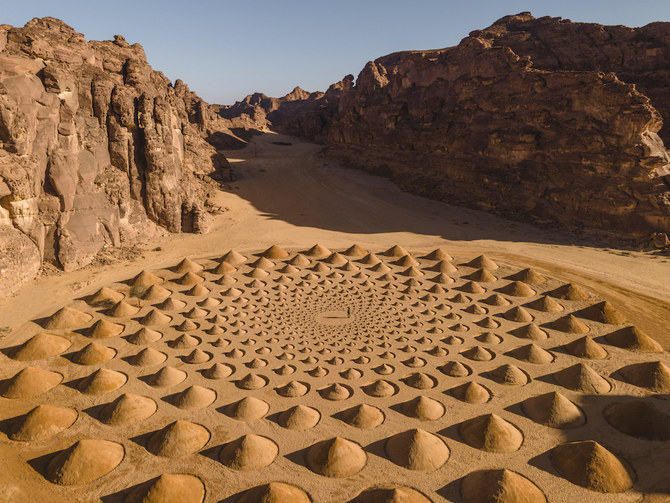
The festival, which closes on March 31, is running in tandem with the second Desert X AlUla, which opened on Feb. 11. This striking event sets the contemporary works of 15 Saudi and international artists against the extraordinary desert landscape of AlUla.
Under the theme “Sarab,” this year’s Desert X exhibition explores ideas of mirage and oasis, both intrinsic to desert history and culture, that have taken on complex worldwide significance over time.
Invited to consider these ancient concepts, participating artists have responded with new works that address dreams, camouflage, fiction, dis/appearance, extraction, illusion and myth, while also examining the dichotomy between the natural and man-made worlds.
“The artworks discuss how we will form future societies, relate to the land and how growth happens and how you revitalize in different ways through technology,” Neville Wakefield, the founding director of Desert X, told guests at the VIP opening of the exhibition.
“All of these themes are important to the desert but important to the world at large,” he said.

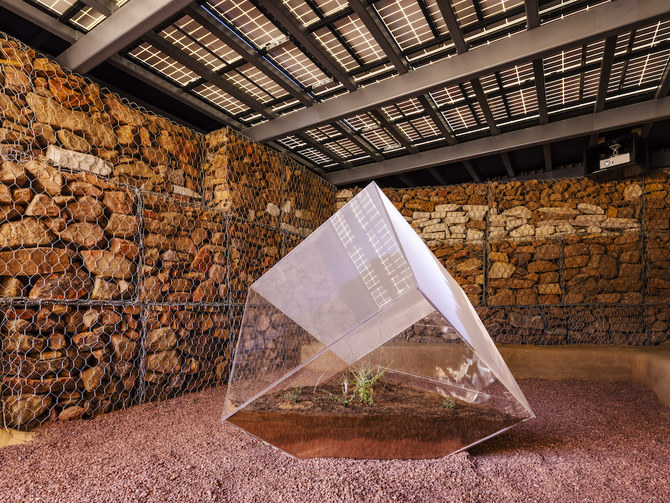
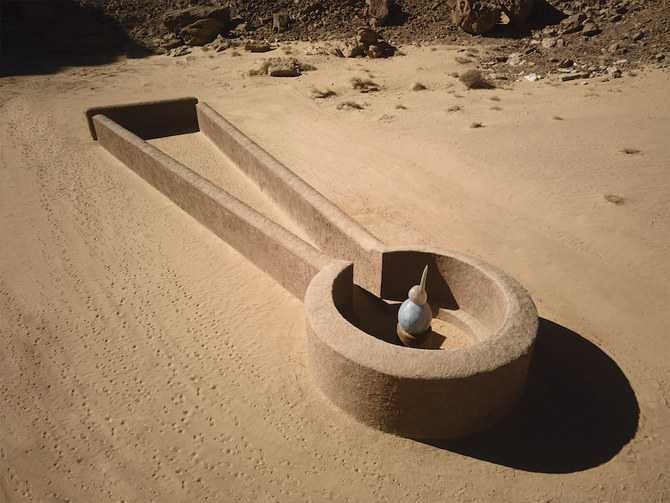
Khalil Rabah, Grounding, Desert X AlUla 2022. (Courtesy the artist and Desert X AlUla, photo by Lance Gerber)
Among the international participants in AlUla’s jam-packed season of culture is Pierre Sigg, a Swiss art collector who has lived in Saudi Arabia for almost 30 years. His new Sigg Art Residency opened in the Al-Jadidah Arts District in mid-January.
“I was attracted by the beauty of AlUla,” Sigg said during the residency’s opening. “I wanted to play a more active role in the art world in a wonderful landscape and thought I could make better use of it, while providing a place for artists to evolve their thinking rather than simply supporting them through collecting.”
Sigg’s residency is hosting artists from the US, France, Switzerland, Japan, Sweden, Peru, Germany and Saudi Arabia.
The mission of the residency is to “build cultural bridges, with a special focus on artists challenging history and artistic heritage through the lens of digital and technological innovation.”
Indeed, building bridges and forging cultural dialogues through art between Saudi Arabia and the international community is the very essence of what AlUla is trying to achieve.
“We believe in the power of dialogue,” Nora Aldabal, executive director of arts and creative industries at the Royal Commission for AlUla, told Arab News.
“By 2035, AlUla will be home to 15 landmark destinations for culture, heritage and creativity, each designed in careful dialogue with the region’s unique natural landscape, including museums, galleries, research centers and arts districts.”
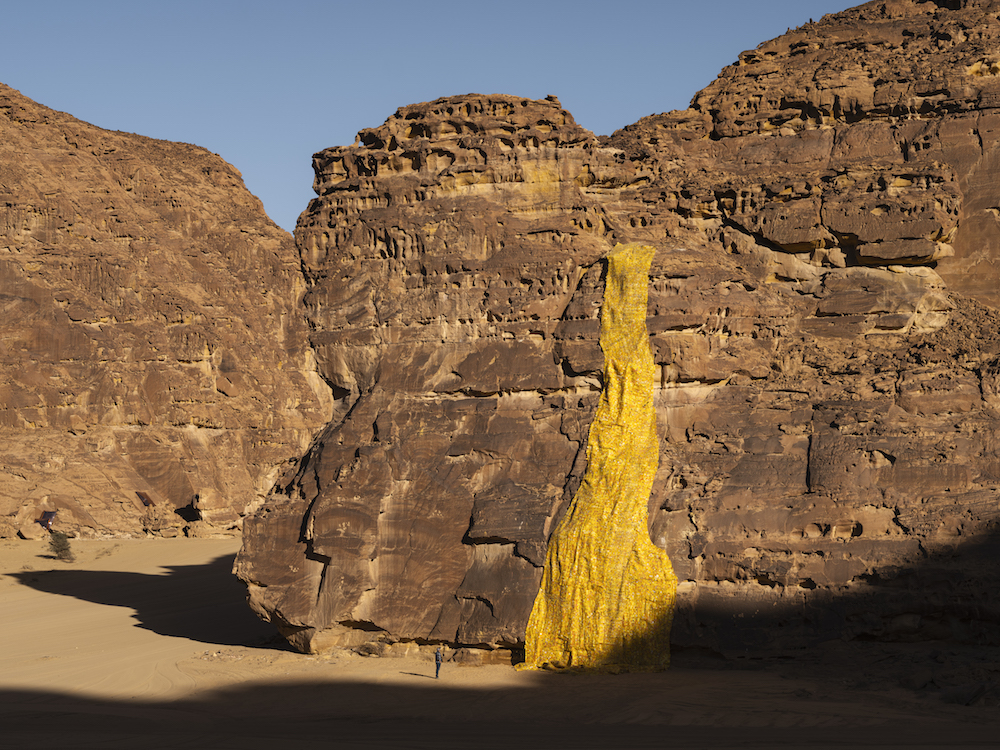
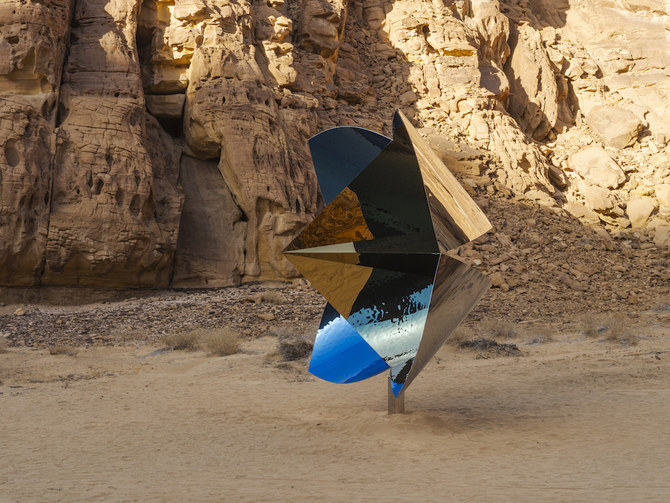
Serge Attukwei Clottey, Gold Falls, Desert X AlUla. (Courtesy the artist and Desert X AlUla, photo by Lance Gerber)
The promotion of the arts and the creative industries is a central pillar of Saudi Arabia’s economic reform and diversification agenda.
The AlUla Arts Festival demonstrates not only the huge potential for the arts internationally in AlUla, but also the great social and cultural changes underway in the Kingdom.
“Art, before the last few years, was not as important to Saudi people,” Saudi artist Al-Homoud told Arab News.
“That soft power was not important to the people or to the public but now it is changing. Only the elite cared about art. But now everyone cares.”
-------------------
Twitter: @rebeccaaproctor


