

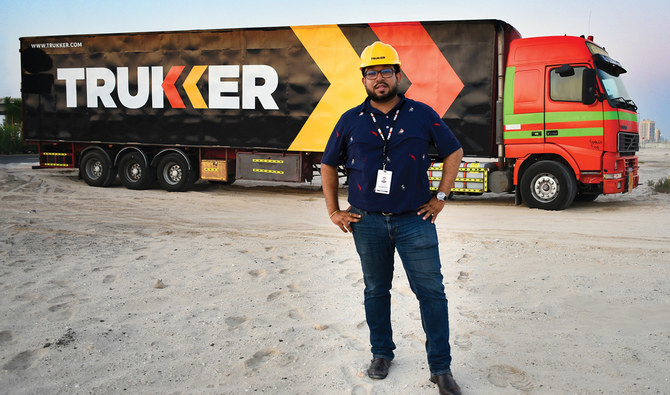
Saudi-based TruKKer raises $96m in equity and debt funding to expand its operation 

TruKKer founder Gaurav Riswas (File: Reuters)
Short Url
Updated 14 February 2022
Follow

Saudi-based TruKKer raises $96m in equity and debt funding to expand its operation 

RIYADH: Digital freight network TruKKer has raised $96 million through an equity and debt series B financing round led by ADQ and Riyadh-based Saudi Technology Ventures, with Mubadala and the venture debt from Mars Growth.

The Saudi-headquartered truck aggregator will use the funding to expand its operation across the Middle East and Central Asia. In addition, the company is planning to launch new products and features, CFO Amit Agarwal told Magnitt.

Since 2018, TruKKer has brought together over 40,000 trucks and 700 enterprise customers from eight countries.


Emerging markets should depend less on external funding, says Nigeria finance minister

Updated 5 sec ago
Follow

Emerging markets should depend less on external funding, says Nigeria finance minister

RIYADH: Developing economies must rely less on external financing as high global interest rates and geopolitical tensions continue to strain public finances, Nigeria’s finance minister told Al-Eqtisadiah.

Asked how Nigeria is responding to rising global interest rates and conflicts between major powers such as the US and China, Wale Edun said that current conditions require developing countries to rethink traditional financing models.

“I think what it means for countries like Nigeria, other African countries, and even other developing countries is that we have to rely less on others and more on our own resources, on our own devices,” he said on the sidelines of the AlUla Conference for Emerging Market Economies.

He added: “We have to trade more with each other, we have to cooperate and invest in each other.” 

Edun emphasized the importance of mobilizing domestic resources, particularly savings, to support investment and long-term economic development.

According to Edun, rising debt servicing costs are placing an increasing burden on developing economies, limiting their ability to fund growth and social programs.

“In an environment where developing countries as a whole — what we are paying in debt service, what we are paying in terms of interest costs and repayments of our debt — is more than we are receiving in what we call overseas development assistance, and it is more than even investments by wealthy countries in our economies,” he said.

Edun added that countries in the Global South are increasingly recognizing the need for deeper regional integration.

His comments reflect growing concern among developing nations that elevated borrowing costs and global instability are reshaping development finance, accelerating a shift toward domestic resource mobilization and stronger economic ties among emerging markets.