

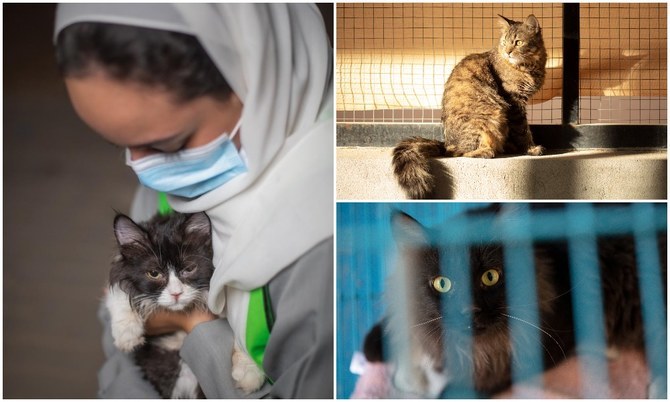

DUBAI: For many people around the world, pandemic lockdowns have been isolating and sometimes dispiriting experiences. Families have been confined to apartments and houses, children were forced to attend classes through computer screens in their bedrooms, and parents worked remotely from whatever space was available in their homes.
Amid the gloom, one of the happier results is that many people adopted abandoned animals as pets to provide companionship, exercise — and some much-needed fun.
In Saudi Arabia, pet adoption is a relatively new concept but the younger generation is making great strides in correcting common misconceptions and changing long-held, traditional attitudes.
One of the people making a difference is Shokran Aljihani, 29, the manager of the adoption and rescue committee at Rahmah Animal Welfare Association, a voluntary, nonprofit organization launched in Riyadh in May 2020. She was moved to get involved with it initially because of her passion for animals and a desire to help inspire change.
“It started with a group of people interested in animal welfare and the environment who gathered and decided to create Rahmah to raise awareness towards animals and the environment,” she told Arab News. “My family and I love animals, so the passion started a long time ago for me.”
That passion drove Aljihani to adopt pets of her own and then she met one of Rahmah’s board members, who introduced her to the fledgling group and the work it planned to do. In May 2020, she joined as a founding member in the hope of “making a difference.”
“I make sure the process of rescuing, adoption and daily operations of the shelter go according to plan,” she said.
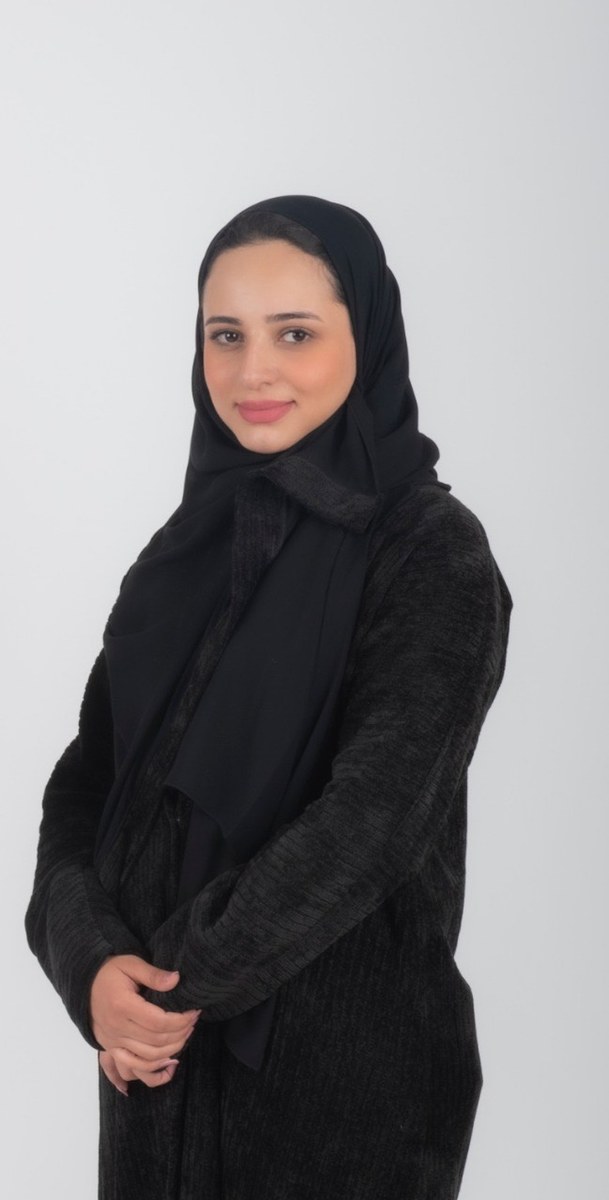
Shokran Aljihani, 29, is the manager of the adoption and rescue committee at Rahmah Animal Welfare Association, a voluntary, nonprofit organization launched in Riyadh in May 2020. (Supplied)
The association responds to calls from members of the public about injured or stray dogs or cats, sending rescue teams to pick up the animals. Once any immediate health issues are addressed, the animals are typically vaccinated, spayed or neutered and put up for adoption.
Photos of rescued animals, and their stories, are posted on the group’s website, rahmah-ksa.com, and its Twitter and Instagram accounts in an attempt to find people willing to adopt them.
Soon after she joined, Aljihani said, she rescued six cats and two baboons and took them into her own home. The baboons in particular have proved to be a challenge — but a rewarding one.
“It’s not really common to adopt baboons but it’s a bit hard to keep them at the shelter 24/7 because they need extra care and more attention,” she said.
“One of them is 3 months old and the other is 10 months old but monkeys need motherly care.”
Baboons are native to the Sarawat mountains in Saudi Arabia’s western region. Most are found in the southwest, from Taif to Asir. Last year, they were also spotted, for the first time in decades, in the central region in several neighborhoods of Riyadh.
The baboons rescued by Rahmah were found in the southwestern region. They had been taken from the wild, a common problem affecting animals in the Kingdom. Aljihani admits it was hard to live with them in her home at first, given their child-like behavior, but added that it has been fun.
“They break furniture but they are kind to the cats,” she said.
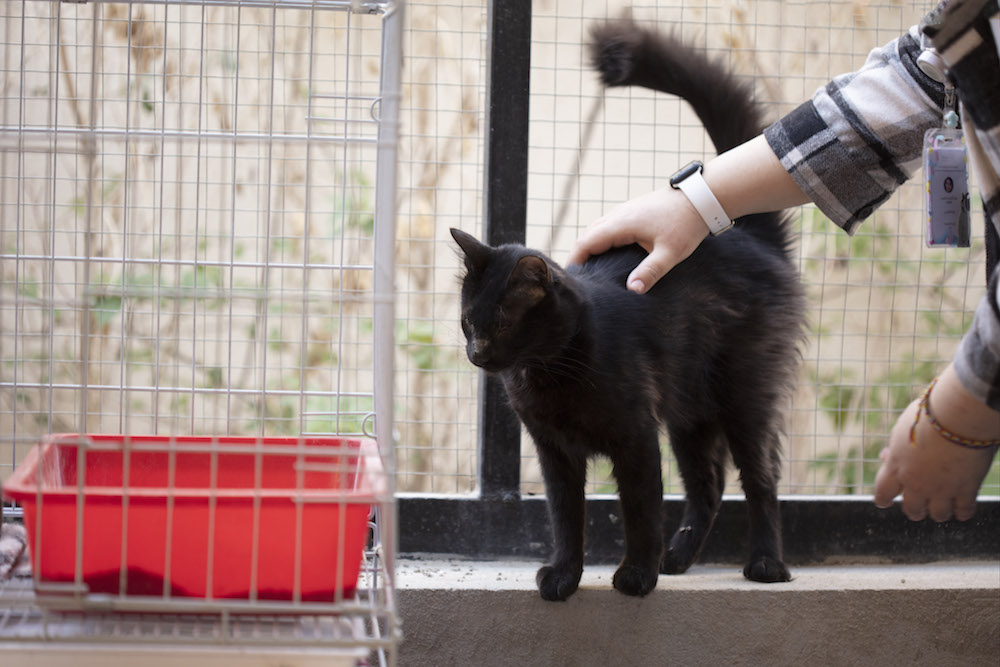
In Saudi Arabia, pet adoption is a relatively new concept but the younger generation is making great strides in correcting common misconceptions and changing long-held, traditional attitudes. (Supplied)
She explained that an important mission provided the motivation for the founding of Rahmah.
“Rahmah’s purpose, and the main reason it was created, is to protect animals and we can do this in many ways through our work here,” said Aljihani. “We rescue and take care of the animals, we give them the medical attention they need. We try to find homes for them and we try to raise awareness, which is the most important thing.”
The hard work is paying off. To date, Rahmah has rescued more than 2,300 animals and overseen the adoption of about 300. It has done all this with the help of almost 2,000 volunteers, and the shelter’s team actively promotes notions of coexistence, peace and compassion for animals and the environment.
However, there are only five animal shelters in the Kingdom and more help is needed. Rahmah is working to raise awareness by visiting schools in Riyadh, training and educating young people on how to take care of animals and suggesting ways in which they can contribute to rescue efforts.
“It’s all about awareness; people haven’t been aware enough so we’re working on it,” Aljihani said. “In Saudi Arabia there are so many people who are passionate about animals but they are working, so making this work as a non-profit organization helps raise the awareness faster.”
Mindsets are indeed slowly changing and Rahmah plans to expand to other cities. It also hopes soon to set up a mobile clinic that will provide medical services for animals in owners’ homes and on the streets, as well as rescue services.
Aljihani said she considers animals to be equal to humans, in terms of their right to live happy and healthy lives.
“I am so lucky my family is so supportive,” she said. “I spend so much time outside, because I work in the morning and then I go to the shelter for hours, and they take care of my animals.”
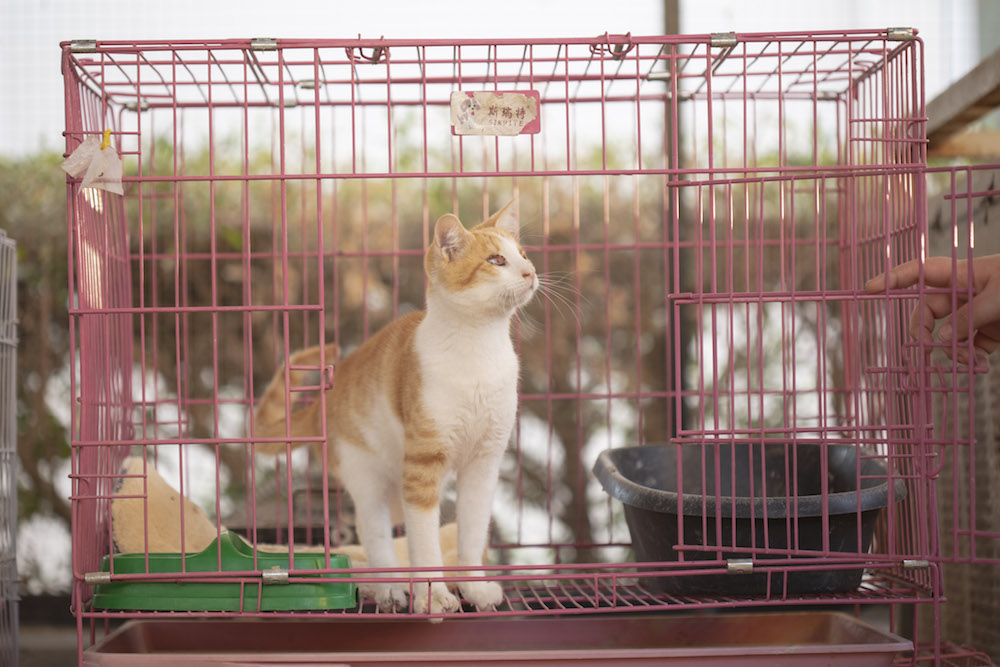
Photos of rescued animals, and their stories, are posted on the group’s website, rahmah-ksa.com, and its Twitter and Instagram accounts in an attempt to find people willing to adopt them. (Supplied)
She also has help and support from her friend, Basma Altwejri, who brought the Pay It Forward initiative to Saudi Arabia in 2016 to encourage people to have a positive effect on their communities. Pay It Forward is active in more than 80 countries and seeks to change perceptions of giving by encouraging simple, everyday acts of kindness.
As another passionate supporter of the non-profit sector and lover of animals, Altwejri felt compelled to help Rahmah and took charge of its marketing and partnerships section over a month ago.
“I got it from my mother,” she told Arab News. “We were very young when we adopted a few stray dogs and cats. I felt helpless as a child — I wanted to help so many but I couldn’t. We tried our best at the time but I didn’t feel there was a group that could help with animal welfare, so I just left it there.”
As she grew up, and through her experiences with nonprofits, she began to notice a gap in the animal welfare field, particularly in Saudi Arabia, which is home to a considerable population of cats and exotic animals that are often sold and traded illegally.
“It isn’t ethical,” Altwejri said. “So I wanted to help.”
She began collaborating with the Riyadh Animal Shelter before exploring other opportunities to help animals in the Kingdom. Most of the options she discovered were single-person operations — until she discovered Rahmah.
“I tried volunteering with a lot of nonprofits but (Rahmah) are so professional; they take care of animals with absolute love,” she said.
“There is a need to reach a wider segment. Rahmah’s success so far is impressive but there are still a lot of animals that need to be adopted. We need a push. Not a lot of people have compassion for animal welfare. They think it’s just a secondary thing but (the animals) are helpless creatures that give you unconditional love — and if we don’t help them, they can’t help themselves.”


