BEIRUT: Lebanon said Monday it had busted at least 17 suspected Israeli spy networks, in one of the largest nationwide crackdowns in recent years.
Interior minister Bassam Mawlawi informed cabinet that security forces had “clamped down on 17 spy networks working for Israel,” acting information minister Abbas Halabi said after the meeting.
Neighbouring Lebanon and Israel remain in an official state of war.
Halabi said the rings operated both “locally and regionally,” without elaborating.
He also did not specify how many people were arrested as part of the operation, which was carried out by the country’s Internal Security Forces (ISF).
Prime Minister Najib Mikati said the arrests had helped stop “efforts to tamper with security and sabotage the stability of the country,” according to a cabinet statement read by Halabi.
Parliament Speaker Nabih Berri praised the operation as “unique achievement.”
Al-Akhbar, a newspaper supportive of Lebanon’s powerful Hezbollah movement, reported the busts on Monday, calling it the largest operation against suspected Israeli agents in the country for 13 years.
It said that the ISF’s intelligence unit started the crackdown four weeks ago and had so far detained around 20 people, including Lebanese, Palestinian and Syrian nationals — some of whom were later released.
The Al-Akhbar report claimed that at least 12 of the suspects in detention were aware they working for Israel, while the rest believed they were providing information for global companies or non profit organizations.
Israel and the Shiite movement Hezbollah fought a 33-day war in Lebanon in 2006.
Between April 2009 and 2014, Lebanese authorities detained more than 100 people accused of spying for Israel, most of them members of the military or telecom employees. The rate of arrests, however, had declined in recent years.


![]()
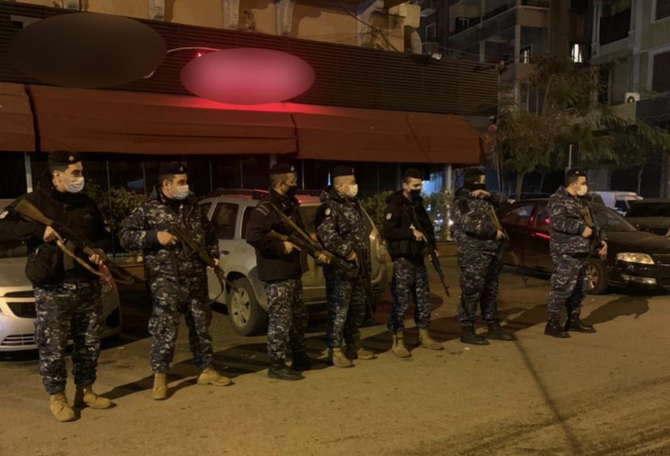
Lebanon busts suspected Israeli ‘spy networks’

Short Url
https://arab.news/y2xj6
Lebanon busts suspected Israeli ‘spy networks’
- Mikati said arrests had helped stop “efforts to tamper with security and sabotage the stability of the country”
- Al-Akhbar: ISF’s intelligence unit started crackdown four weeks ago and had so far detained around 20 people


Latest updates





Recommended


© 2026 SAUDI RESEARCH & PUBLISHING COMPANY, All Rights Reserved And subject to Terms of Use Agreement.