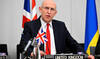

ISLAMABAD: The Pakistan Pavilion at Expo 2020 Dubai will be featuring 11 Pakistani films from January 21 till March 26, the Pakistani information minister said on Thursday.
Described as “the event of the century,” the expo kicked off in October, bringing together representatives from more than 190 countries. The exhibition is the largest global gathering since the emergence of the coronavirus pandemic and will run until April 2022.
Pakistan’s pavilion at the expo has been highlighting investment opportunities, tourism potential and cultural magnificence of the country.
“The Pakistan Film Week will kick off from today at the Dubai Expo,” Pakistani information minister Chaudhry Fawad Hussain said on Twitter.
“Eleven Pakistani films will be screened at the Pakistan enclosure from January 21 to March 26.”
He said 2022 would be the year of Pakistani cinema’s revival, announcing that the Pakistani government had created a film division under the state-run Pakistan Television (PTV) this year, which would produce ten films.
آج سے دبئ ایکسپو میں پاکستان فلم ویک کا آغاز ہو رہا ہے، 21 سے 26 مارچ تک گیارہ پاکستانی فلمیں پاکستان انکلوژر میں دیکھائ جائیں گی، یہ سال پاکستان سینما کی بحالی کا سال ہو گا ، اس سال PTV کی فلم ڈویژن قائم کی گئ ہے جو پبلک پرائیویٹ سیکٹر میں دس فلمیں بنائے گی۔ #PakFilms pic.twitter.com/vQQHb5WjUi
— Ch Fawad Hussain (@fawadchaudhry) January 20, 2022
Some famous Pakistani movies from the past couple of years, including Teefa in Trouble, Load Wedding, Actor in Law, Bin Roye and Heer Maan Ja, will be screened at the expo, according to a list shared by the minister.
Speaking at the Pakistan Pavilion on Thursday, Hussain had heaped praise on overseas Pakistanis residing in the United Arab Emirates (UAE) for filling the country’s coffers.
“This year, overseas Pakistanis have sent remittances amounting to $31 billion to Pakistan,” he said. “Pakistanis in the UAE were the largest contributors to this $31 billion.”
Pakistanis living in the UAE held the largest accounts in the Roshan Digital Pakistan program, a government initiative that allows overseas Pakistanis to open digital accounts back home from anywhere in the world.
“You have contributed the most for Pakistan,” Hussain told a charged crowd at the Pakistan Pavilion. “I also want to tell you that Prime Minister Imran Khan stands with you the way you stand with him.”