BEIRUT: A Lebanese man arrested for taking people hostage and threatening to blow up a bank up as he attempted to withdraw $50,000 of his own money began a hunger strike on Wednesday.
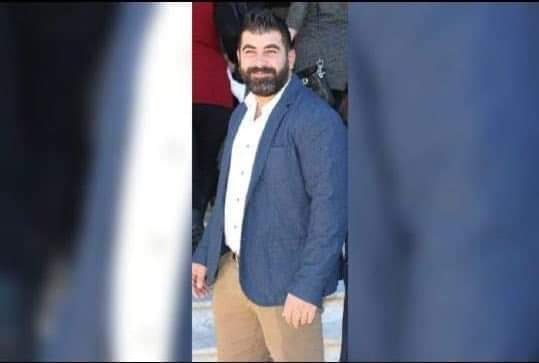
Abdullah Al-Saii was armed with a gun, grenade and bottles of benzene when he entered a branch of the Bank of Beirut and Arab Countries in Jeb Jannine in Bekaa Valley, eastern Lebanon, on Tuesday. He said that staff at the bank had refused his previous requests to withdraw his savings, blaming the economic and banking crisis in the country
An Internal Security Forces official told Arab News that Al-Saii held more than 10 of the bank’s staff and customers hostage for several hours, demanding he be allowed to withdraw the money. He said he would blow up the branch if his demands were not met. The building was cordoned off and the standoff was resolved following negotiations, the official added.
“He surrendered himself after the bank gave the money to his wife and nobody was hurt,” said the ISF official. He added that Al-Saii began a hunger strike early on Wednesday afternoon after the attorney general’s office in Bekaa ordered the confiscation of the money.
Mustafa Kammouneh, the mayor of Jeb Jannine, told Arab News that Al-Saii, a father of two, had lived abroad for most of his life and, like most depositors during the financial crisis in the country, has been denied access to his life savings.
“What he did was totally understandable, especially given he needs money to support his family,” said the mayor. It was “totally expected and normal,” he added, considering the circumstances citizens have been enduring for the past two years.
Al-Saii is from the village of Kefraya. It is believed that his wife disappeared with the $50,000 shortly after prosecutors ordered the money be confiscated, said Kammouneh, adding that the couple’s children are being cared for by their grandparents.
When asked whether the wife, who is not Lebanese, had left the country, the mayor said only that he was sure she was no longer the village. A warrant has been issued for her arrest.
Antoine Kanaan, editor-in-chief of the Lebanon Law Review, said it is too early to speculate what charges Al-Saii might face.
“He committed a list of illegal acts that are punishable by law and could face up to 10 years in jail,” he told Arab News. “I am not sure whether he may benefit from any leniency factors, considering the socioeconomic circumstances.”
The incident prompted much discussion on social media in Lebanon, with many commentators supporting Al-Saii and some describing him as a “national hero” for his actions.
In a message posted on Twitter, Charbel Hage wrote: “Instead of prosecuting banks, their directors and shareholders for a breach of fiduciary duty, the justice system in Lebanon is prosecuting a depositor for withdrawing his money. Shameless.”
Journalist Salman Al-Andari tweeted that the judiciary had acted quickly to protect banks and their interests when they ordered the money be confiscated from the wife.
Lebanon has been in the grip of a financial crisis for more than two years. Banks have blocked access to accounts, preventing people from accessing their savings, which have lost more than 90 percent of their value.


![]()

Lebanese man who threatened to blow up bank that withheld his money begins hunger strike
Short Url
https://arab.news/6349j
Lebanese man who threatened to blow up bank that withheld his money begins hunger strike
- Armed with a gun and grenade, he took staff and customers hostage and demanded to withdraw $50,000 of his own cash
- The father-of-two, who could face 10 years in jail, was described by some commentators on social media as a ‘national hero’


Latest updates


© 2026 SAUDI RESEARCH & PUBLISHING COMPANY, All Rights Reserved And subject to Terms of Use Agreement.