

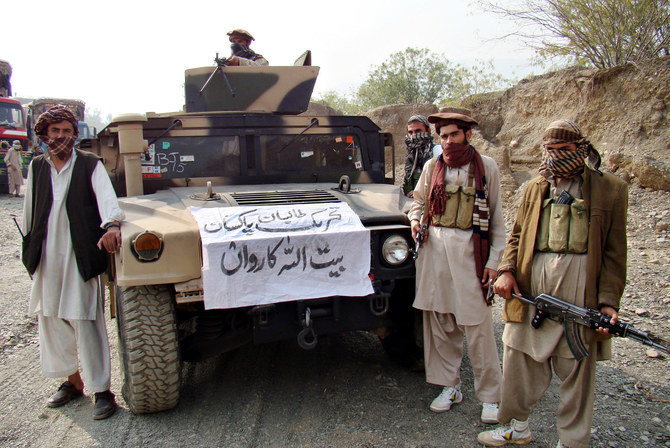

PESHAWAR: The Pakistani Taliban, or Tehreek-e-Taliban Pakistan (TTP), on Thursday confirmed the death of Muhammad Khorasani, the main spokesperson for the group, days after denying it.
The TTP is a separate movement from the Afghan Taliban and has fought for years to overthrow the government in Islamabad and rule with its own brand of Islamic Shariah law.
Last month, the group declared an end to a month-long cease-fire arranged with the aid of the Afghan Taliban, accusing the Pakistan government of breaching terms including a prisoner release agreement and the formation of negotiating committees.
The head of the Pakistan army’s media wing said last week armed operations against the group had been relaunched since the end of the cease-fire.
Earlier this week, two security officials told Arab News that Khorasani had been killed in Afghanistan but the TTP denied the news. However, the group has now confirmed Khorasani’s death.
“Three days ago, Tehreek-e-Taliban Pakistan (TTP) was deprived of a learned scholar and an expert on political affairs,” the militant group said on Twitter.
Khorasani died on January 9 while he was traveling, it said, without confirming the place of his death.
On Monday, a security official told Arab News on condition of anonymity that Khorasani had been killed in an “internal fight” within the group. He gave no details of how the fight erupted or who else was involved.
“Muhammad Kursani (Khurasani), central spokesperson of TTP has been killed today in Nangarhar province of Afghanistan,” another security official, privy to the development, said.
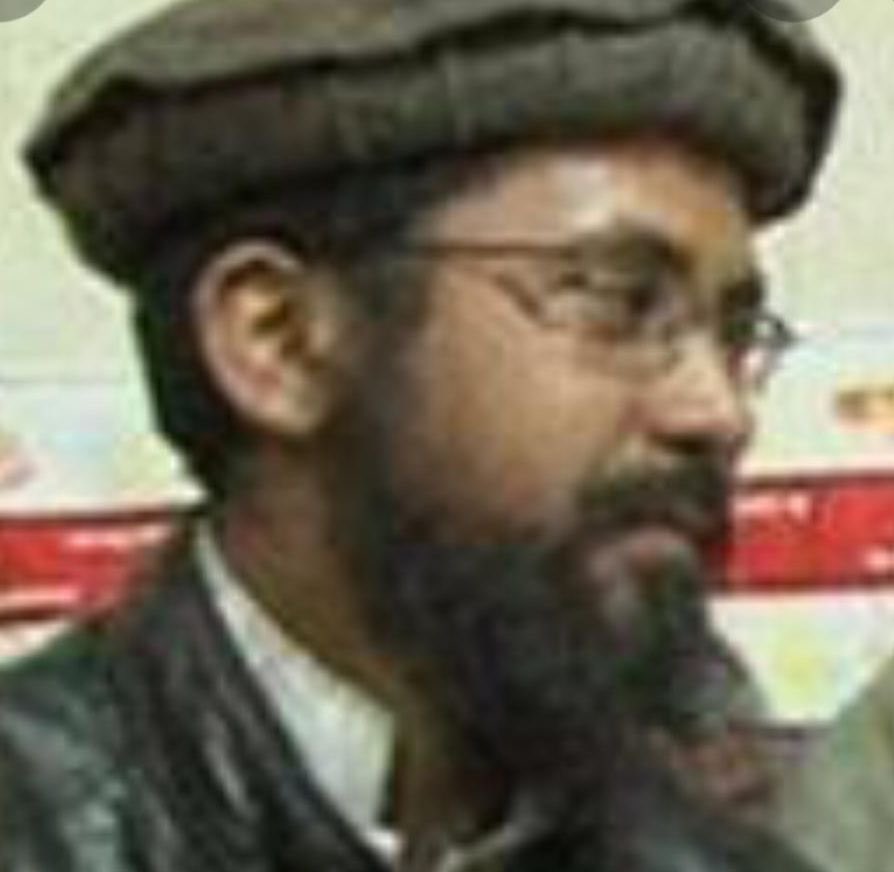
This undated picture shows Muhammad Khorasani, the main spokesperson for Tehreek-e-Taliban Pakistan (TTP). (Photo courtesy: Online)
“His actual name was Khalid Bilti,” the official told Arab News, requesting anonymity. “He was involved in killing innocent people of Pakistan and masterminded many terrorist attacks on security forces of Pakistan. He in collaboration with TTP Chief Noor Wali was planning to carry out terrorist activities in Pakistan.”
The second official did not disclose details of how Khorasani was killed.
The Pakistan army has not officially confirmed the killing, but Pakistani state TV said on Twitter the militant commander had been killed.
Khorasani, who was believed to be around 50 years, was born Khalid Balti. He had reportedly fled to the neighboring Afghanistan following the launch of a Pakistani military offensive codenamed Zarb-e-Azb in the North Waziristan tribal district in 2014.
Khorasani had been a trusted friend of the late Qari Hussain, a top lieutenant in the TTP and the organizer of the group’s suicide bombing squads, Adnan Bitani, a senior journalist and security analyst in Pakistan’s northwestern Khyber Pakhtunkhwa province that borders Afghanistan, told Arab News earlier this week.
He had received his education in Karachi and became the TTP spokesman in 2014. The militant commander had been detained by the Afghan special forces in 2018 but was freed soon after the Afghan Taliban, which is a separate group but allied with the TTP, retook Kabul last August.
Last year’s cease-fire between the TTP and the Pakistan government, which was signed with the possibility of extension if both parties agreed, was the latest in a series of attempts to broker a settlement to end a conflict that has killed thousands of people.
The Afghan Taliban’s shock overthrow of the Western-backed government gave peace talks fresh impetus, but the TTP accused Islamabad of failing to respect the cease-fire agreement and called it off on December 10.
It said the government had not released more than 100 prisoners as promised or appointed negotiating teams to conduct talks. The group also accused security forces of carrying out raids while the cease-fire was in force.


