- Bahrain, Kuwait, Qatar, Indonesia, Malaysia and other countries have confirmed participation, PM’s aide says
- Secretary level meeting to take place on Saturday to chalk out agenda items, foreign ministers to meet on Sunday
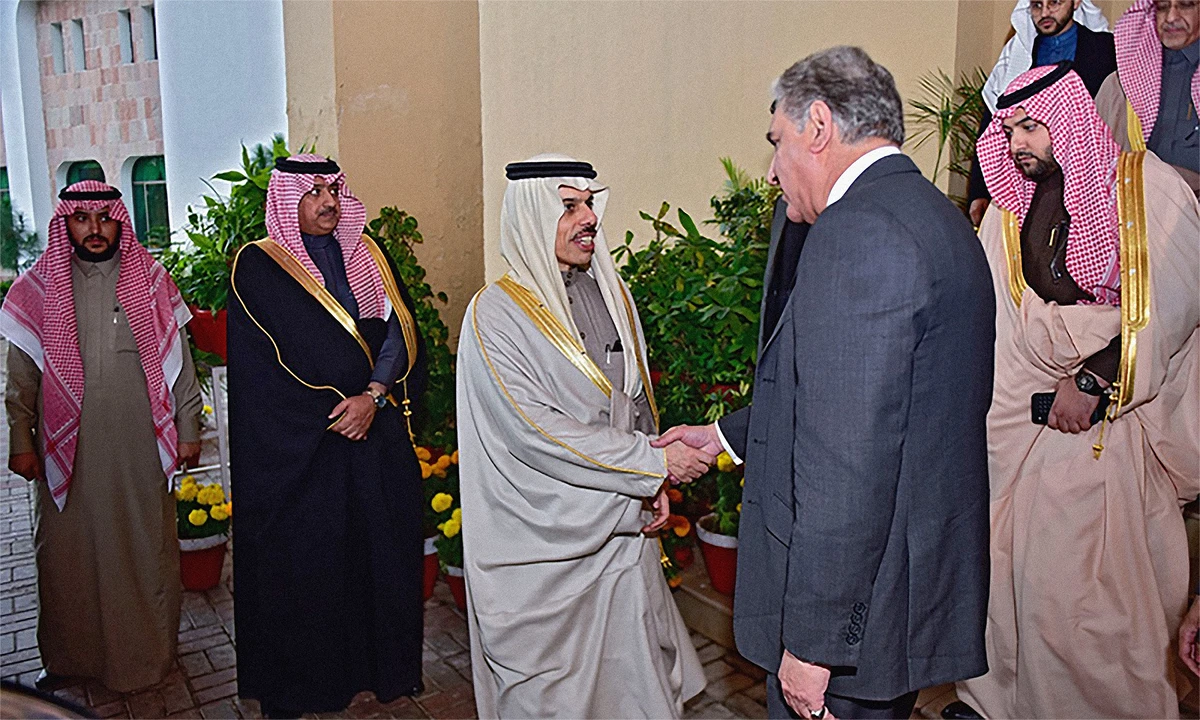
ISLAMABAD: Saudi foreign minister Prince Faisal bin Farhan Al Saud will arrive in Islamabad with a large delegation on Saturday, December 18, to participate in a special session of the Organization of Islamic Cooperation (OIC) to discuss a growing humanitarian crisis in Afghanistan, the Pakistani prime minister’s aide on the Middle East said on Wednesday.
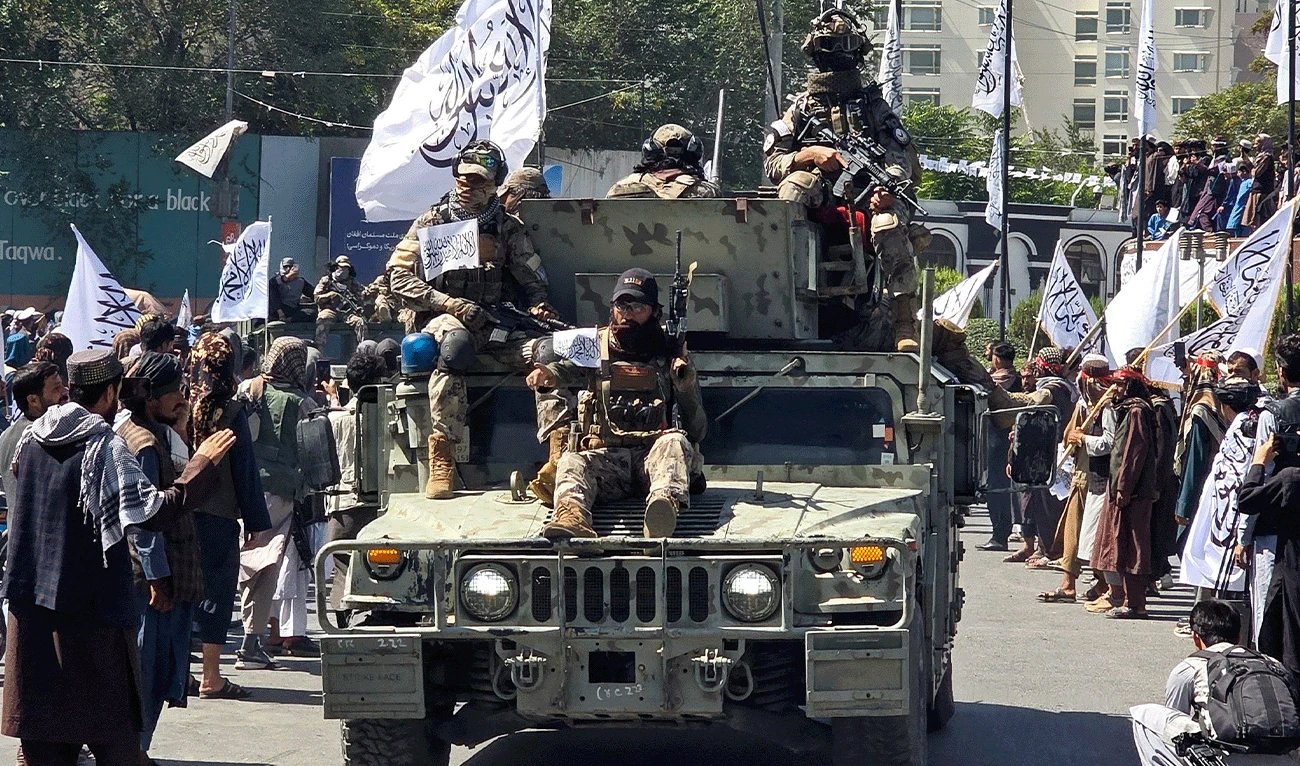
The 17th Extraordinary Session of the OIC’s Council of Foreign Ministers was called by Saudi Arabia and will be hosted by Islamabad on December 19. The meeting’s focus is on the humanitarian situation in Afghanistan where the United Nations is warning nearly 23 million people – about 55 percent of the population – can face extreme levels of hunger, with nearly 9 million at risk of famine as winter takes hold in the impoverished, landlocked country.
The United States and other donors cut off financial aid on which Afghanistan became dependent during 20 years of war and more than $9 billion of the country’s hard currency assets were frozen.
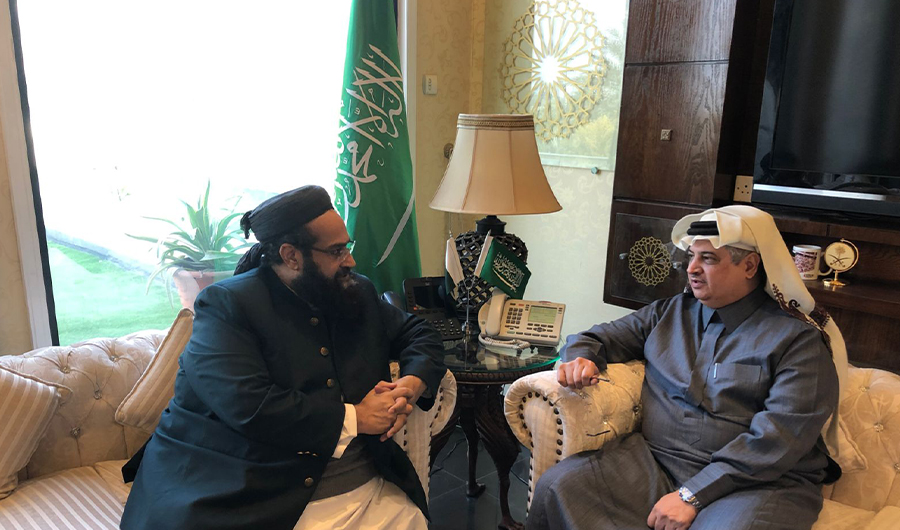
“Saudi foreign minister will arrive in Islamabad with a big delegation on December 18 to participate in the OIC meeting on Afghanistan,” Tahir Mahmood Ashrafi told Arab News. “Today I met with Saudi ambassador to Pakistan Nawaf bin Said Al-Makli and discussed the upcoming OIC foreign ministers meeting on Afghanistan.”
He said all Islamic countries were participating in the meeting and a majority would be represented by their foreign ministers.
“Bahrain, Kuwait, Qatar, Indonesia, Malaysia and other important countries’ foreign ministers have already confirmed their participation,” Ashrafi said, adding that P-5 countries and European Union delegations had also confirmed participation.
The P5+1 refers to the UN Security Council’s five permanent members (the P5); namely China, France, Russia, the United Kingdom, and the United States; plus Germany. The P5+1 is often referred to as the E3+3 by European countries.
Talking about the agenda of the conference, Ashrafi said an official secretary level meeting would take place on Saturday to chalk out details and agenda items, while the foreign ministers would meet on Sunday.
“Pakistan and Saudi Arabia are presenting this opportunity to all the countries to share their reservations,” Ashrafi said, “and find solutions so that the Afghan people should not suffer.”
Pakistani foreign minister Shah Mahmood Qureshi also chaired a meeting of high officials later in the day to review the preparations and arrangements for the OIC conference.
According to an official statement, a detailed briefing on the OIC meeting was given to Qureshi by the managing committees constituted under the chairmanship of the foreign secretary.
“Special Teams [have been] formed to warmly welcome the Foreign Ministers and other distinguished guests attending the extraordinary meeting of the OIC Council of Foreign Ministers on Afghanistan,” the statement said.
“Fool-proof security arrangements [have also been] made in Islamabad on the occasion of OIC meeting,” foreign office added.
“Bahrain, Kuwait, Qatar, Indonesia, Malaysia and other important countries’ foreign ministers have already confirmed their participation,” Ashrafi said, adding that P-5 countries and European Union delegations had also confirmed participation.
The P5+1 refers to the UN Security Council’s five permanent members (the P5); namely China, France, Russia, the United Kingdom, and the United States; plus Germany. The P5+1 is often referred to as the E3+3 by European countries.
Talking about the agenda of the conference, Ashrafi said an official secretary level meeting would take place on Saturday to chalk out details and agenda items, while the foreign ministers would meet on Sunday.
“Pakistan and Saudi Arabia are presenting this opportunity to all the countries to share their reservations,” Ashrafi said, “and find solutions so that the Afghan people should not suffer.”
Pakistani foreign minister Shah Mahmood Qureshi also chaired a meeting of high officials later in the day to review the preparations and arrangements for the OIC conference.
According to an official statement, a detailed briefing on the OIC meeting was given to Qureshi by the managing committees constituted under the chairmanship of the foreign secretary.
“Special Teams [have been] formed to warmly welcome the Foreign Ministers and other distinguished guests attending the extraordinary meeting of the OIC Council of Foreign Ministers on Afghanistan,” the statement said.
“Fool-proof security arrangements [have also been] made in Islamabad on the occasion of OIC meeting,” foreign office added.