Arabic calligraphy added to UNESCO heritage list

1 / 21
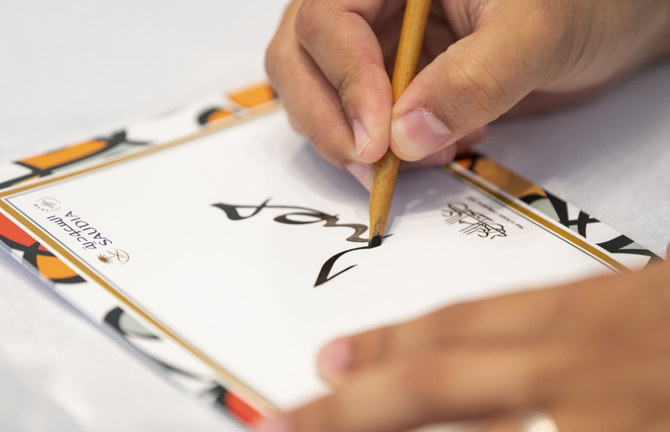
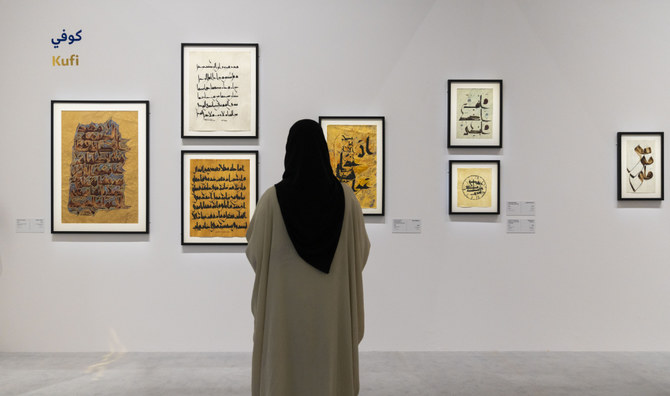
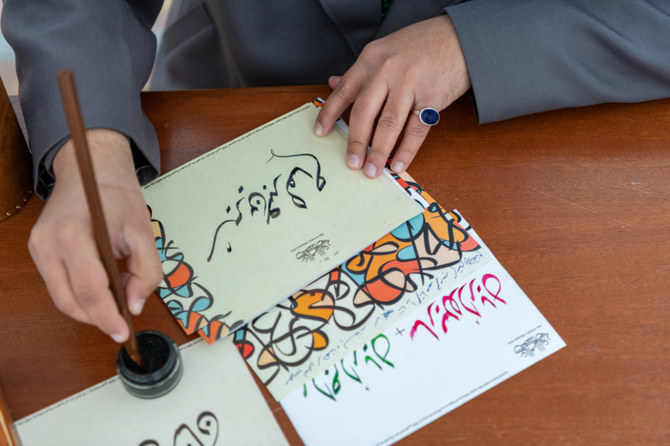
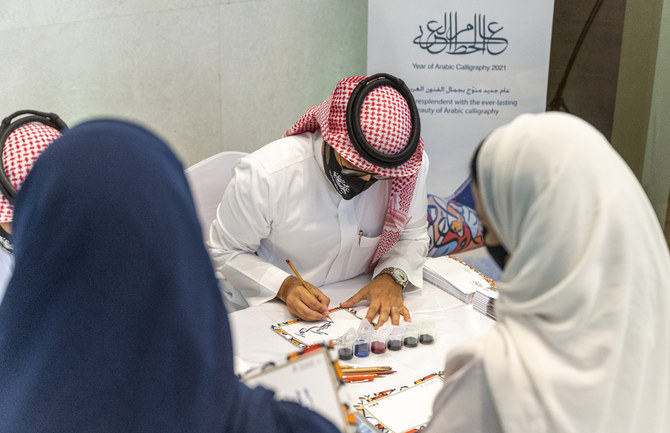
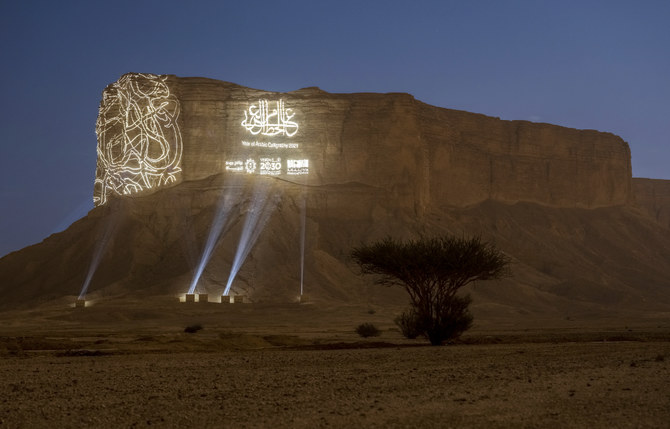
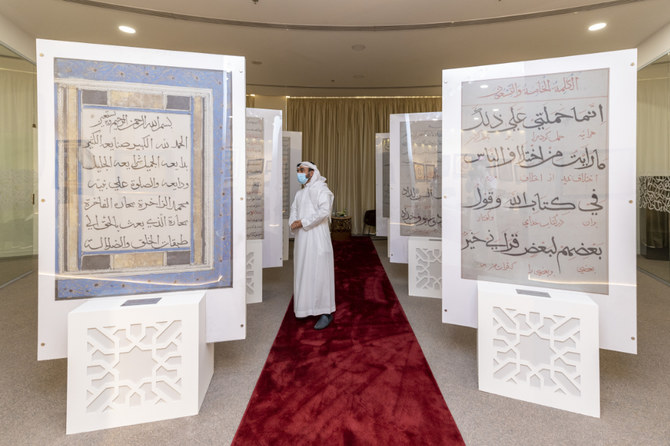
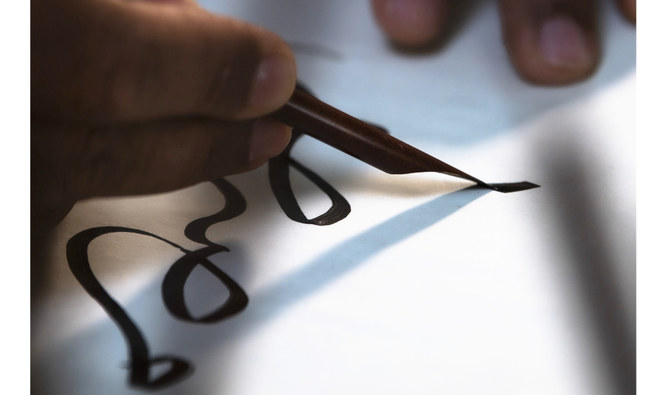
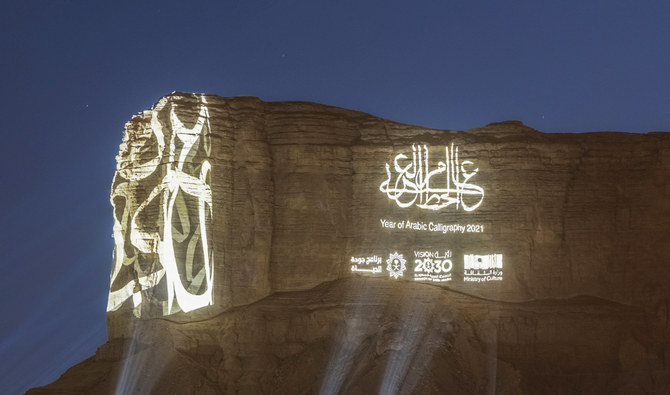
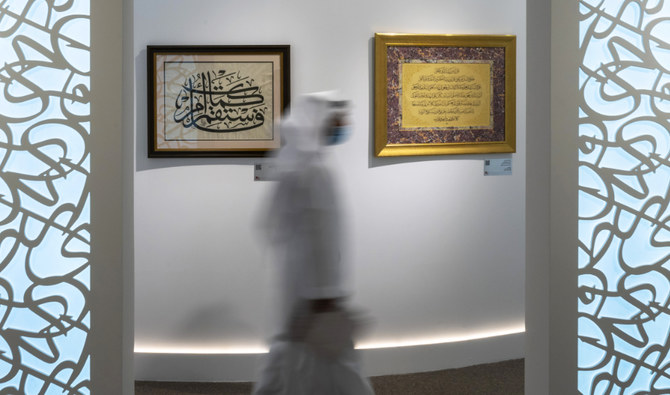
A symbol of Arab and national identity, Arabic calligraphy is deeply woven into the fabric of Saudi history. (Supplied)
2 / 21
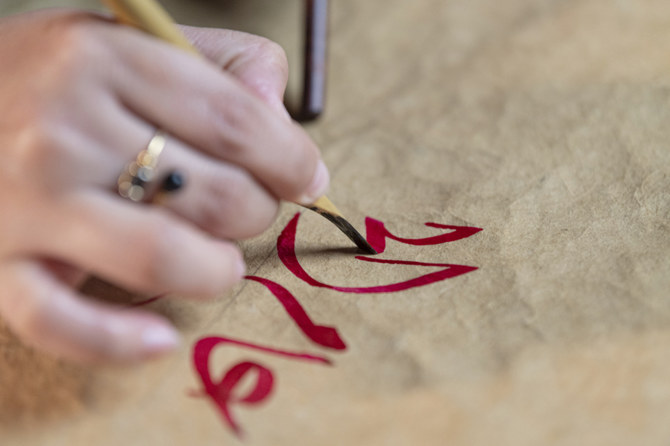
A symbol of Arab and national identity, Arabic calligraphy is deeply woven into the fabric of Saudi history. (Supplied)
3 / 21
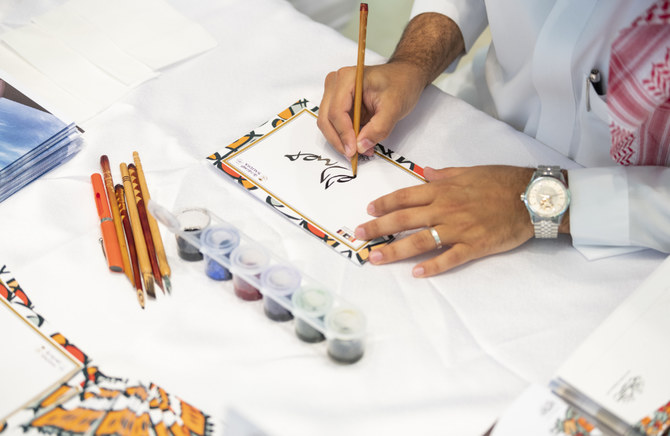
A symbol of Arab and national identity, Arabic calligraphy is deeply woven into the fabric of Saudi history. (Supplied)
4 / 21
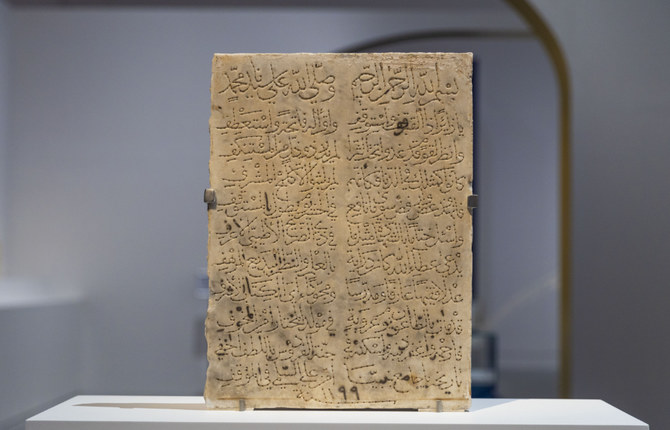
A symbol of Arab and national identity, Arabic calligraphy is deeply woven into the fabric of Saudi history. (Supplied)
5 / 21
A symbol of Arab and national identity, Arabic calligraphy is deeply woven into the fabric of Saudi history. (Supplied)
6 / 21
A symbol of Arab and national identity, Arabic calligraphy is deeply woven into the fabric of Saudi history. (Supplied)
7 / 21
A symbol of Arab and national identity, Arabic calligraphy is deeply woven into the fabric of Saudi history. (Supplied)
8 / 21
A symbol of Arab and national identity, Arabic calligraphy is deeply woven into the fabric of Saudi history. (Supplied)
9 / 21
A symbol of Arab and national identity, Arabic calligraphy is deeply woven into the fabric of Saudi history. (Supplied)
10 / 21
A symbol of Arab and national identity, Arabic calligraphy is deeply woven into the fabric of Saudi history. (Supplied)
11 / 21
A symbol of Arab and national identity, Arabic calligraphy is deeply woven into the fabric of Saudi history. (Supplied)
12 / 21
A symbol of Arab and national identity, Arabic calligraphy is deeply woven into the fabric of Saudi history. (Supplied)
13 / 21
A symbol of Arab and national identity, Arabic calligraphy is deeply woven into the fabric of Saudi history. (Supplied)
14 / 21
A symbol of Arab and national identity, Arabic calligraphy is deeply woven into the fabric of Saudi history. (Supplied)
15 / 21
A symbol of Arab and national identity, Arabic calligraphy is deeply woven into the fabric of Saudi history. (Supplied)
16 / 21
A symbol of Arab and national identity, Arabic calligraphy is deeply woven into the fabric of Saudi history. (Supplied)
17 / 21
A symbol of Arab and national identity, Arabic calligraphy is deeply woven into the fabric of Saudi history. (Supplied)
18 / 21
A symbol of Arab and national identity, Arabic calligraphy is deeply woven into the fabric of Saudi history. (Supplied)
19 / 21
A symbol of Arab and national identity, Arabic calligraphy is deeply woven into the fabric of Saudi history. (Supplied)
20 / 21
A symbol of Arab and national identity, Arabic calligraphy is deeply woven into the fabric of Saudi history. (Supplied)
21 / 21
A symbol of Arab and national identity, Arabic calligraphy is deeply woven into the fabric of Saudi history. (Supplied)
Short Url
Updated 16 December 2021
Follow

Arabic calligraphy added to UNESCO heritage list

  • Honor follows Saudi-led joint effort by 15 Arab nations
  • Place on Representative List of the Intangible Cultural Heritage of Humanity secured after Saudi-led joint effort by 15 Arab nations

RIYADH: After a successful collaboration between 15 Arab countries, led by Saudi Arabia and under the supervision of the Arab League Educational, Cultural and Scientific Organization, Arabic Calligraphy: Knowledge, Skills and Practices has been officially added to UNESCO’s Representative List of the Intangible Cultural Heritage of Humanity.

In addition to the importance of its use in religious texts, calligraphy has played a pivotal role in the advancement of the Arabic language throughout history. For centuries, it has contributed to the transfer and spread of Arab culture, customs and religious values, in the process instilling a sense of pride and belonging among Arabs.

HIGHLIGHTS

• Today, calligraphy remains extremely popular and is used by artists and designers across a broad range of media, including in paintings, sculptures and graffiti, or ‘calligraffiti.’

• Visitors to the Kingdom can witness early forms of the Arabic language in ancient inscriptions at locations including UNESCO World Heritage Sites, AlUla and Himā Najran.
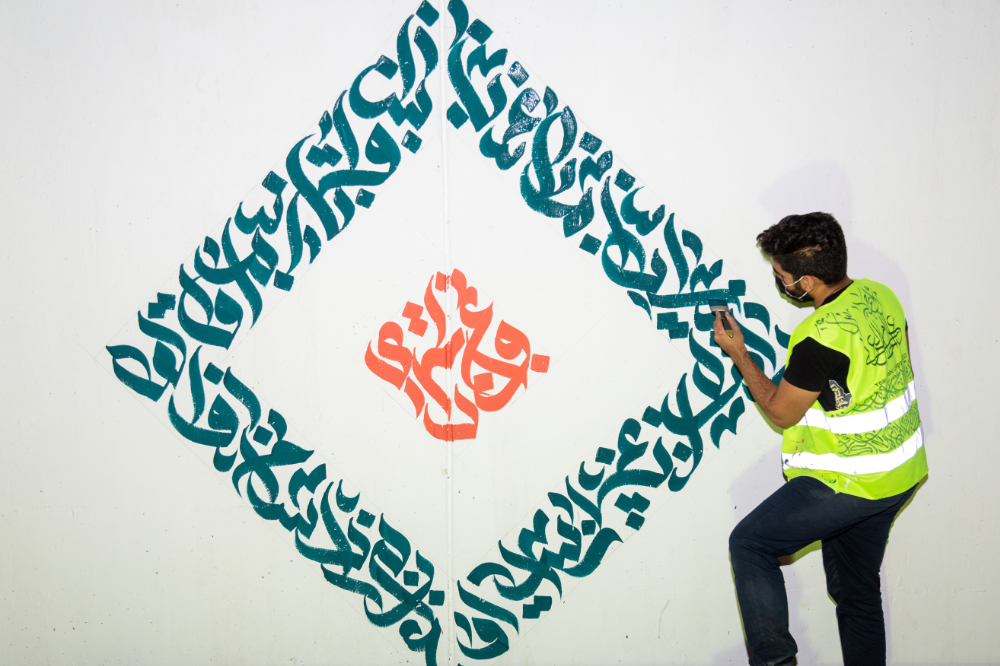
Calligraphy remains extremely popular and continues to be used by artists and designers across a broad range of media, including paintings, sculptures and even graffiti, or “calligraffiti” as it is known.

Visitors to the Kingdom can see early forms of Arabic text in the ancient inscriptions preserved at historic locations such as the UNESCO World Heritage Sites at AlUla, and Bir Hima near Najran.

A symbol of Arab and national identity, Arabic calligraphy is deeply woven into the fabric of Saudi history. In recognition of this cultural importance, the Ministry of Culture designated 2020 and 2021 the Year of Arabic Calligraphy.
Commenting on the UNESCO announcement, Saudi Minister of Culture Prince Badr bin Abdullah bin Farhan said: “We welcome the inscription of Arabic calligraphy, which is the result of the Kingdom championing this treasured aspect of authentic Arabic culture.

“Throughout 2020 and 2021, the Ministry of Culture has worked to preserve this important art form through the Year of Arabic Calligraphy, which has further cemented the Kingdom’s position as a global hub for Arabic calligraphy and the arts.”

Abdulrahman Alieedan, general manager of the Saudi Heritage Preservation Society wrote in the nomination documents presented to UNESCO: “Arabic calligraphy is one of the most important forms of intangible cultural heritage that has been transmitted by generations in the Arab and Islamic world, as it is considered a major engine for transmitting Arab and Islamic culture through time and space.

“It also performed many social, scientific and religious (functions.) It is also considered one of the distinctive arts that the Arab and Islamic nation is proud of.”

The nomination also included testimonies about the beauty and importance of the art from from a large number of Arabic calligraphers, who presented samples of their work and advocated for the addition to UNESCO’s list as a way to preserve a key tradition that is threatened by a dwindling number of specialized calligraphic artists.

The addition of Arabic calligraphy to the UNESCO list is a fitting end to the year-long celebration of the art form. It is the latest cultural treasure with connections to the Kingdom to be listed, after: Al-Ardah Al-Najdiyah, a traditional dance from the Central Region; Al-Qatt Al-Asiri, a form of interior wall decoration created by women in the Southern Region; Almezmar, a group dance from the Western Region; Arabic coffee; date palms; falconry; and majlis, a place where community members gather to discuss local events and issues.

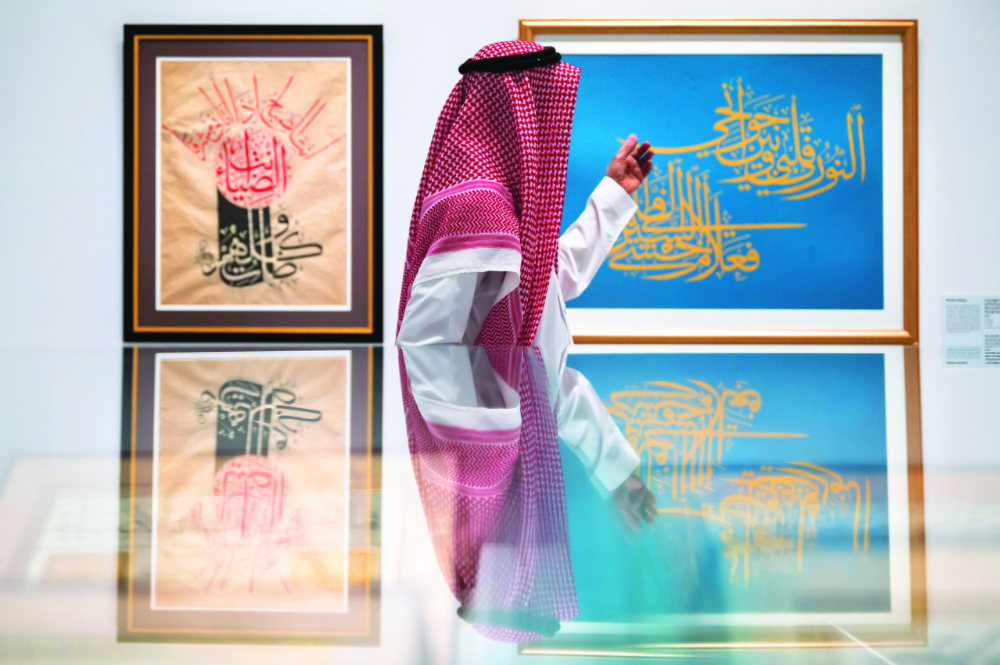
Initiatives launched during the Year of Arabic Calligraphy included a ground-breaking exhibition at Riyadh’s National Museum that shed light on the origins of the Arabic language, the development of calligraphy, and the relationship between calligraphy, contemporary design and artificial intelligence.

The Ministry of Culture partnered with the Kingdom’s flag-carrier airline, Saudia, to decorate two of its aircraft with a special livery highlighting the initiative.


Fady Jameel awarded Chevalier of France’s Order of Arts and Letters

The ceremony to honor Fady Jameel took place in Paris and was led by French Minister of Culture Rachida Dati. (Supplied)
Updated 20 January 2026
Follow

Fady Jameel awarded Chevalier of France’s Order of Arts and Letters

  • The Order of Arts and Letters is one of France’s highest cultural honors and is awarded to individuals whose work has contributed to the enrichment of arts and culture in France and internationally

DUBAI: Fady Jameel, chair of Saudi Arabia’s Art Jameel and vice chairman, international, at Abdul Latif Jameel, has been awarded the title of Chevalier in the Order of Arts and Letters (Ordre des Arts et des Lettres) by the French Ministry of Culture.

The Order of Arts and Letters is one of France’s highest cultural honors and is awarded to individuals whose work has contributed to the enrichment of arts and culture in France and internationally. 

Jameel said the honor reflected the collective efforts of his family and partners in advancing cultural initiatives, building on a philanthropic legacy that began in Jeddah eight decades ago. (Supplied)

The ceremony took place in Paris last week and was led by French Minister of Culture Rachida Dati, with cultural figures from the arts and cinema sectors in attendance.

Jameel’s recognition comes in acknowledgment of the Jameel family’s long-standing philanthropic engagement, including more than 80 years of charitable work and over two decades of arts-focused initiatives led by Art Jameel across Saudi Arabia, the UAE and internationally. 

At Art Jameel we really believe in the role of the arts in transforming lives — a value we place at the heart of what we do daily.

Fady Jameel, Art Jameel chair

Art Jameel, founded by the Jameel family, supports artists, institutions and creative communities through exhibitions, grants, research, education and public programs. Its work has included projects that encourage cultural exchange and collaboration between the Middle East and Europe, including France.

In remarks following the ceremony, Jameel said the honor reflected the collective efforts of his family and partners in advancing cultural initiatives, building on a philanthropic legacy that began in Jeddah eight decades ago. 

“I would like to thank the Ministry of Culture of France and our colleagues at the French Embassy and Consulate in Saudi Arabia and wish to express my appreciation to colleagues and partners, in both the private and government sectors, for their continued support and encouragement of the cultural sector,” he said in a released statement. 

“From Islamic art, craft and artisanship through to the most contemporary and innovative of practices, at Art Jameel we really believe in the role of the arts in transforming lives — a value we place at the heart of what we do daily,” Jameel continued. “Looking ahead, Art Jameel remains committed to strengthening a robust art ecosystem in Saudi Arabia and beyond, through piloting new initiatives that support students, creatives and wider public engagement with the arts, alongside nurturing international exchange.”