

Arabic calligraphy added to UNESCO heritage list

1 / 21
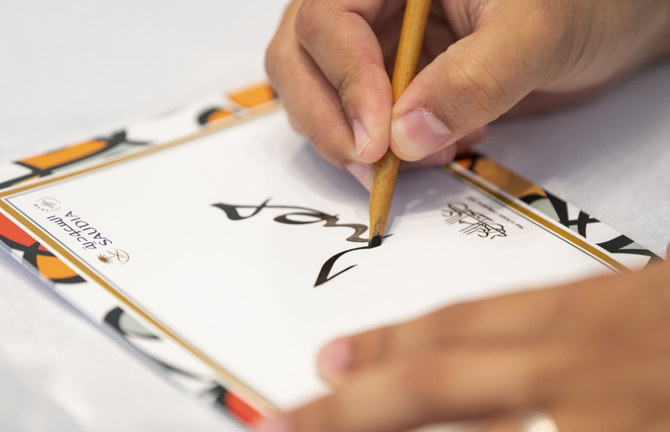
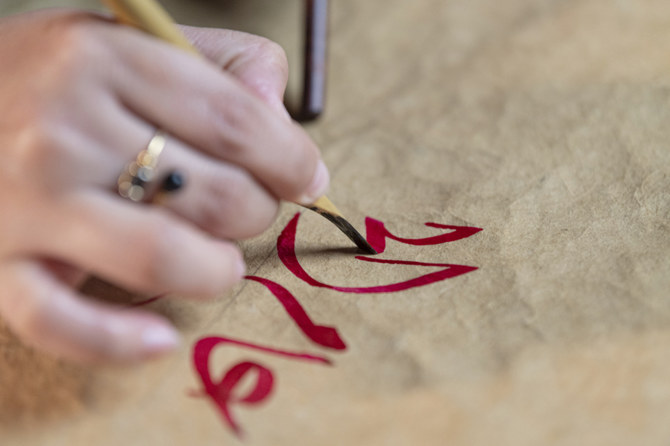
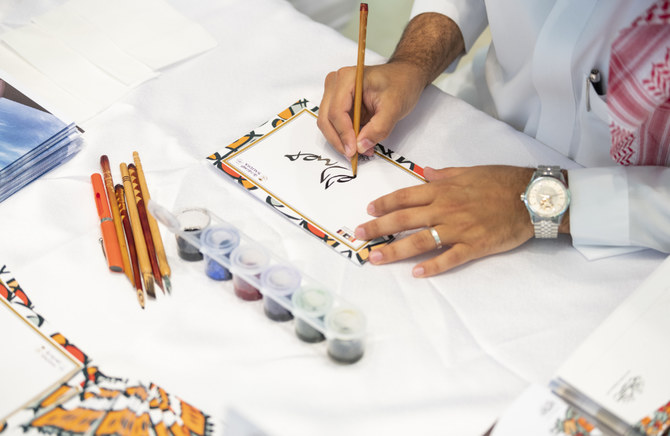
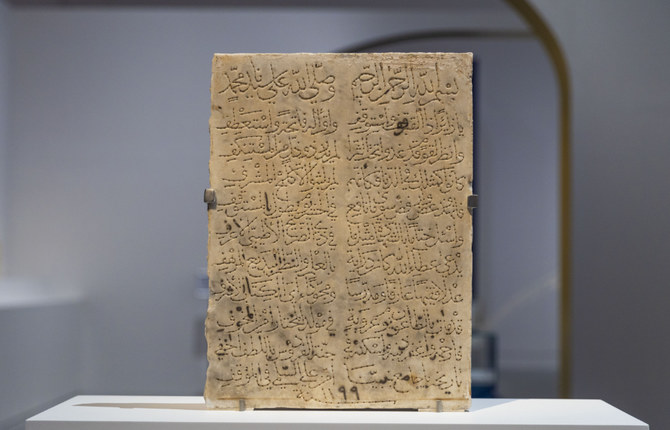
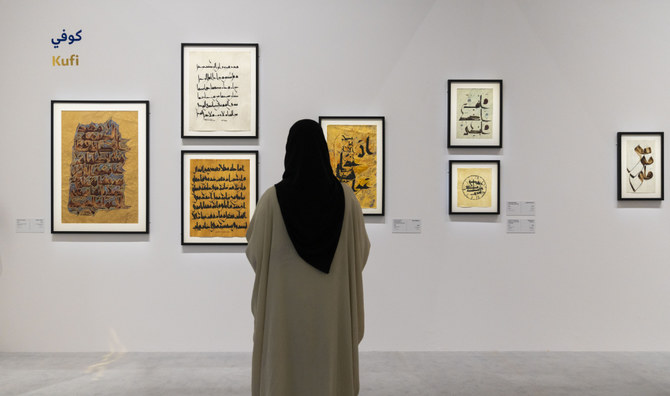
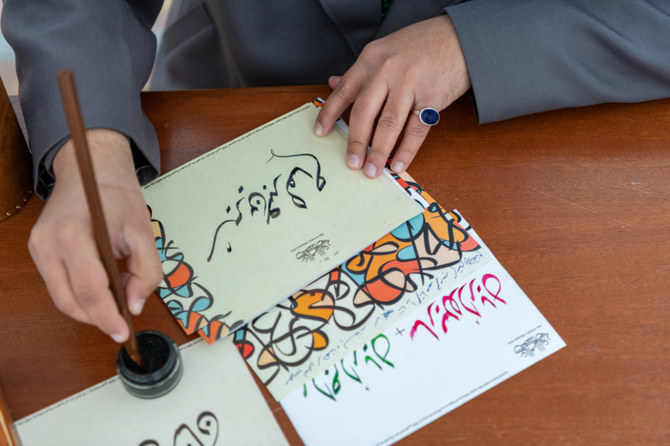
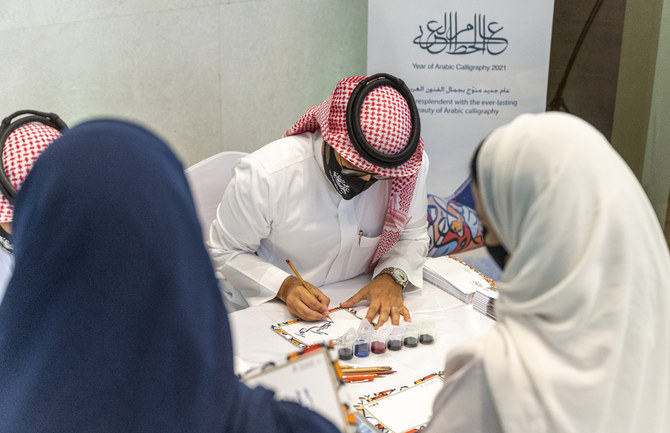
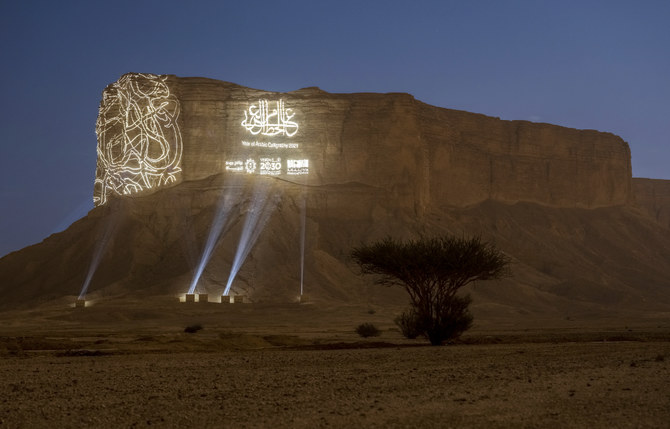
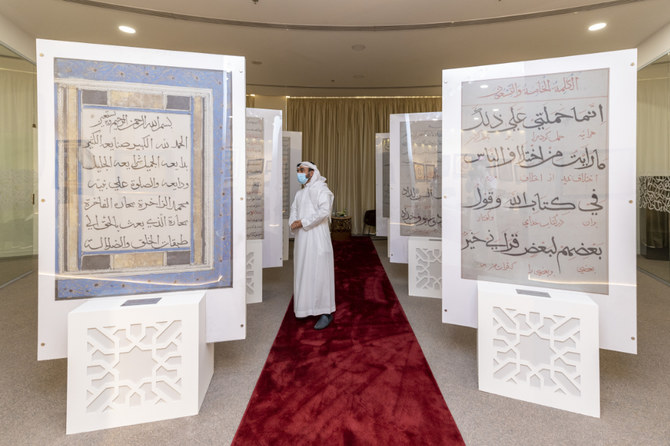
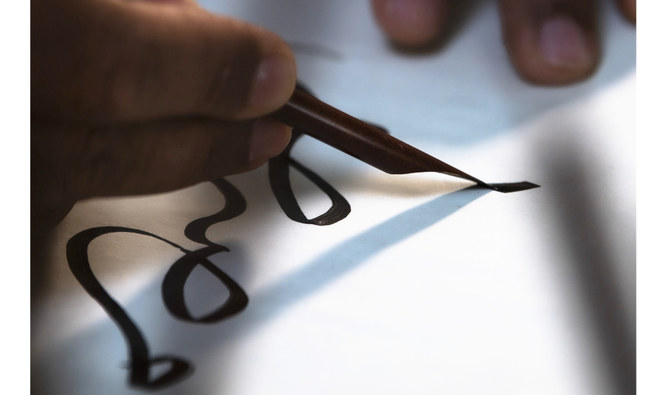
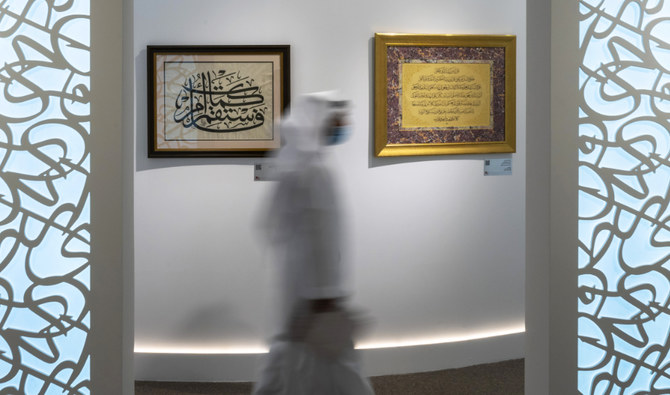
A symbol of Arab and national identity, Arabic calligraphy is deeply woven into the fabric of Saudi history. (Supplied)
2 / 21
A symbol of Arab and national identity, Arabic calligraphy is deeply woven into the fabric of Saudi history. (Supplied)
3 / 21
A symbol of Arab and national identity, Arabic calligraphy is deeply woven into the fabric of Saudi history. (Supplied)
4 / 21
A symbol of Arab and national identity, Arabic calligraphy is deeply woven into the fabric of Saudi history. (Supplied)
5 / 21
A symbol of Arab and national identity, Arabic calligraphy is deeply woven into the fabric of Saudi history. (Supplied)
6 / 21
A symbol of Arab and national identity, Arabic calligraphy is deeply woven into the fabric of Saudi history. (Supplied)
7 / 21
A symbol of Arab and national identity, Arabic calligraphy is deeply woven into the fabric of Saudi history. (Supplied)
8 / 21
A symbol of Arab and national identity, Arabic calligraphy is deeply woven into the fabric of Saudi history. (Supplied)
9 / 21
A symbol of Arab and national identity, Arabic calligraphy is deeply woven into the fabric of Saudi history. (Supplied)
10 / 21
A symbol of Arab and national identity, Arabic calligraphy is deeply woven into the fabric of Saudi history. (Supplied)
11 / 21
A symbol of Arab and national identity, Arabic calligraphy is deeply woven into the fabric of Saudi history. (Supplied)
12 / 21
A symbol of Arab and national identity, Arabic calligraphy is deeply woven into the fabric of Saudi history. (Supplied)
13 / 21
A symbol of Arab and national identity, Arabic calligraphy is deeply woven into the fabric of Saudi history. (Supplied)
14 / 21
A symbol of Arab and national identity, Arabic calligraphy is deeply woven into the fabric of Saudi history. (Supplied)
15 / 21
A symbol of Arab and national identity, Arabic calligraphy is deeply woven into the fabric of Saudi history. (Supplied)
16 / 21
A symbol of Arab and national identity, Arabic calligraphy is deeply woven into the fabric of Saudi history. (Supplied)
17 / 21
A symbol of Arab and national identity, Arabic calligraphy is deeply woven into the fabric of Saudi history. (Supplied)
18 / 21
A symbol of Arab and national identity, Arabic calligraphy is deeply woven into the fabric of Saudi history. (Supplied)
19 / 21
A symbol of Arab and national identity, Arabic calligraphy is deeply woven into the fabric of Saudi history. (Supplied)
20 / 21
A symbol of Arab and national identity, Arabic calligraphy is deeply woven into the fabric of Saudi history. (Supplied)
21 / 21
A symbol of Arab and national identity, Arabic calligraphy is deeply woven into the fabric of Saudi history. (Supplied)
Short Url
Updated 16 December 2021
Follow

Arabic calligraphy added to UNESCO heritage list

  • Honor follows Saudi-led joint effort by 15 Arab nations
  • Place on Representative List of the Intangible Cultural Heritage of Humanity secured after Saudi-led joint effort by 15 Arab nations

RIYADH: After a successful collaboration between 15 Arab countries, led by Saudi Arabia and under the supervision of the Arab League Educational, Cultural and Scientific Organization, Arabic Calligraphy: Knowledge, Skills and Practices has been officially added to UNESCO’s Representative List of the Intangible Cultural Heritage of Humanity.

In addition to the importance of its use in religious texts, calligraphy has played a pivotal role in the advancement of the Arabic language throughout history. For centuries, it has contributed to the transfer and spread of Arab culture, customs and religious values, in the process instilling a sense of pride and belonging among Arabs.

HIGHLIGHTS

• Today, calligraphy remains extremely popular and is used by artists and designers across a broad range of media, including in paintings, sculptures and graffiti, or ‘calligraffiti.’

• Visitors to the Kingdom can witness early forms of the Arabic language in ancient inscriptions at locations including UNESCO World Heritage Sites, AlUla and Himā Najran.
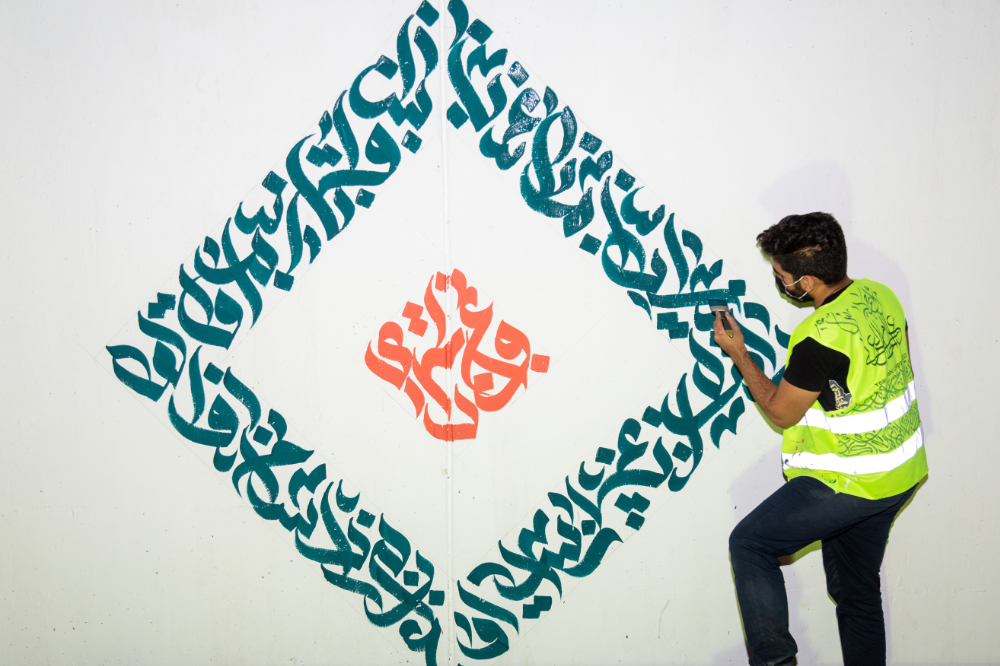
Calligraphy remains extremely popular and continues to be used by artists and designers across a broad range of media, including paintings, sculptures and even graffiti, or “calligraffiti” as it is known.

Visitors to the Kingdom can see early forms of Arabic text in the ancient inscriptions preserved at historic locations such as the UNESCO World Heritage Sites at AlUla, and Bir Hima near Najran.

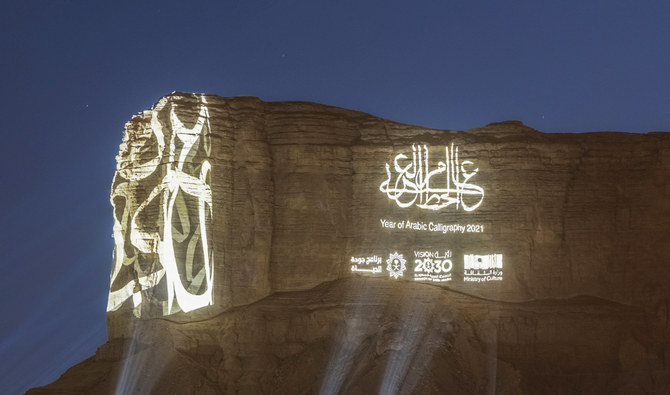
A symbol of Arab and national identity, Arabic calligraphy is deeply woven into the fabric of Saudi history. In recognition of this cultural importance, the Ministry of Culture designated 2020 and 2021 the Year of Arabic Calligraphy.
Commenting on the UNESCO announcement, Saudi Minister of Culture Prince Badr bin Abdullah bin Farhan said: “We welcome the inscription of Arabic calligraphy, which is the result of the Kingdom championing this treasured aspect of authentic Arabic culture.

“Throughout 2020 and 2021, the Ministry of Culture has worked to preserve this important art form through the Year of Arabic Calligraphy, which has further cemented the Kingdom’s position as a global hub for Arabic calligraphy and the arts.”

Abdulrahman Alieedan, general manager of the Saudi Heritage Preservation Society wrote in the nomination documents presented to UNESCO: “Arabic calligraphy is one of the most important forms of intangible cultural heritage that has been transmitted by generations in the Arab and Islamic world, as it is considered a major engine for transmitting Arab and Islamic culture through time and space.

“It also performed many social, scientific and religious (functions.) It is also considered one of the distinctive arts that the Arab and Islamic nation is proud of.”

The nomination also included testimonies about the beauty and importance of the art from from a large number of Arabic calligraphers, who presented samples of their work and advocated for the addition to UNESCO’s list as a way to preserve a key tradition that is threatened by a dwindling number of specialized calligraphic artists.

The addition of Arabic calligraphy to the UNESCO list is a fitting end to the year-long celebration of the art form. It is the latest cultural treasure with connections to the Kingdom to be listed, after: Al-Ardah Al-Najdiyah, a traditional dance from the Central Region; Al-Qatt Al-Asiri, a form of interior wall decoration created by women in the Southern Region; Almezmar, a group dance from the Western Region; Arabic coffee; date palms; falconry; and majlis, a place where community members gather to discuss local events and issues.

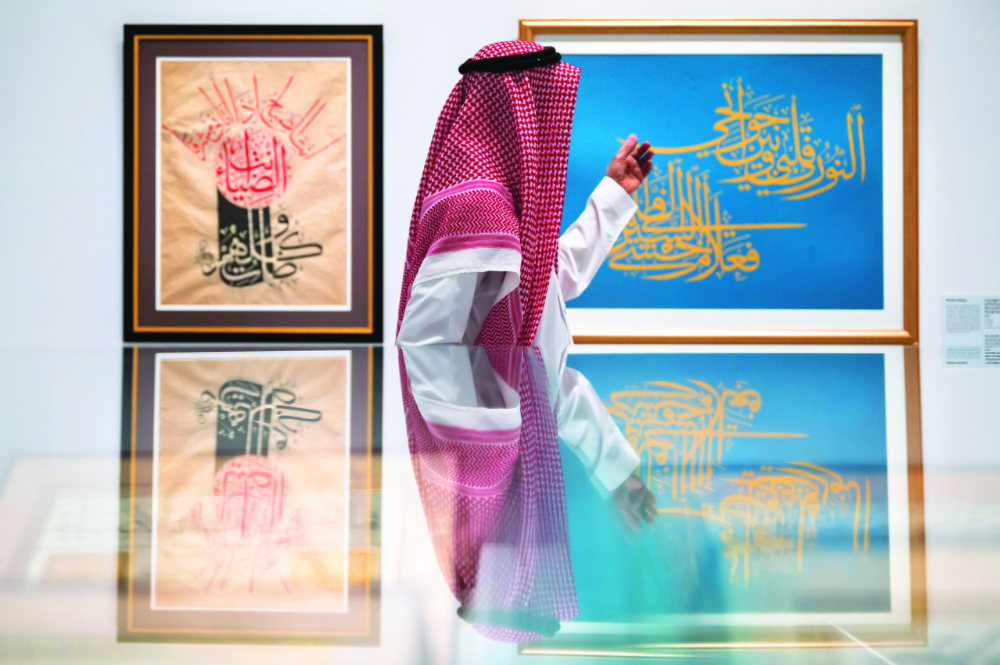
Initiatives launched during the Year of Arabic Calligraphy included a ground-breaking exhibition at Riyadh’s National Museum that shed light on the origins of the Arabic language, the development of calligraphy, and the relationship between calligraphy, contemporary design and artificial intelligence.

The Ministry of Culture partnered with the Kingdom’s flag-carrier airline, Saudia, to decorate two of its aircraft with a special livery highlighting the initiative.


Lolo Zouai takes to Berlin’s Colors platform

Updated 03 March 2026
Follow

Lolo Zouai takes to Berlin’s Colors platform

DUBAI: French Algerian singer Lolo Zouai took to the Berlin-based music platform Colors this week, delivering a live performance of her latest single “Desert Rose PT.II.”

The appearance comes as the track climbed to No. 1 on Algeria’s R&B chart within 24 hours of its release. A sequel to “Desert Rose” from her 2019 debut album “High Highs to Low Lows,” the new single features lyrics in Arabic, French and English, reflecting the cross-cultural influences that shape her sound.


A post shared by Lolo Zouaï (@lolozouai)

Zouai marked the achievement on Instagram, sharing a series of posts including a photo of herself wearing an Algeria football jersey, alongside the single’s cover art and a screenshot showing its chart ranking. 

“Grateful for the love on this one. Can’t wait for you to hear the studio version and the rest of ‘Reverie’,” she wrote.


A post shared by COLORS (@colorsxstudios)

She also reposted a collage of fan reactions, including a TikTok video that read: “It’s 2026 and we still haven’t had another song like ‘Desert Rose’ out.” Others said: “Can’t wait for Desert Rose pt. 2” and “wdym desert rose pt. 2?!?!?!”

The single forms part of her upcoming third studio album, “Reveries,” due for release on April 24. She announced the date last month alongside the music video for “Holding On,” another track from the project.


A post shared by COLORS (@colorsxstudios)

Blending R&B with dance-pop elements, “Holding On” delves into themes of grief and memory. The video is dedicated to Zouai’s close friend, Hanna Rosa Hotchkiss, who died in 2021.

In a statement on Instagram, Zouai described the album as the product of a transformative period in her life: “This record was made through three years of grief, growth, and reflection. I had to lose myself to find myself again. I couldn’t have done it without my angel, Hanna. Thank you to my collaborators, my friends, and my Lo-riders who held me down through it all. I hope it heals you the way it healed me.”

Known for her blend of R&B, club-pop and hip-hop, Zouai has gained an international fan base for her dynamic stage presence and genre-blending music.

Zouai’s last release was in November, when she dropped a new single titled “3AM in San Francisco.”