

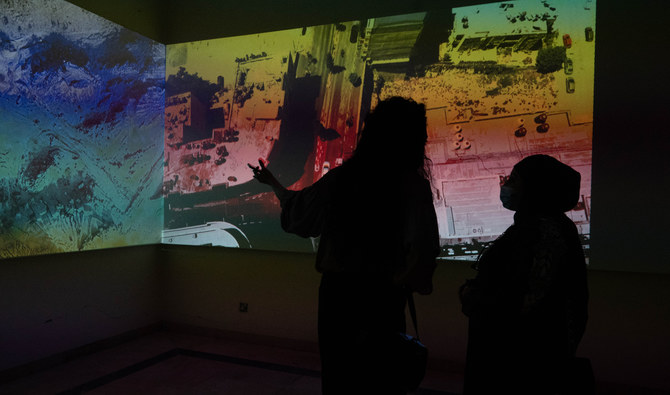

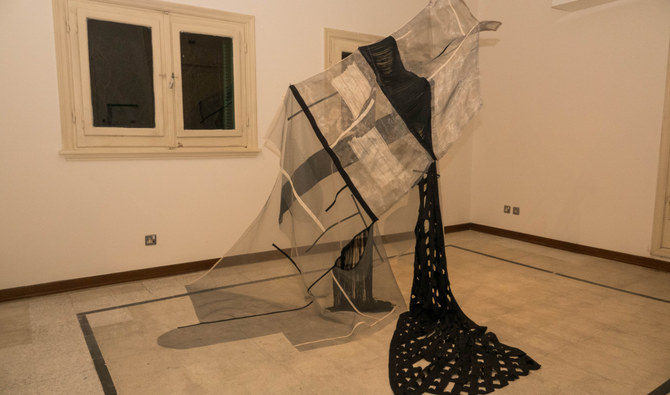

JEDDAH: Contemporary artists and architects are flocking to the heart of Jeddah’s historical downtown to showcase works that depict the city’s first major urban development phase in a new exhibition, going back to “where and when” it all started.
The exhibition titled “Saudi Modern” tackles the narrative of architecture and urban development in the coastal city between 1938 and 1962 by contemporary artists and architects. It was launched at the newly renovated iconic Tamer house, owned by one of the families that lived in the old town.
Saudi Modern is a multidisciplinary initiative founded by Jeddah-based architecture and design studio Bricklab. The project aims to unfold the narrative of modern development in the early decades of the 20th century by focusing on architecture and urbanism across the different cities, towns, and villages in the Kingdom.
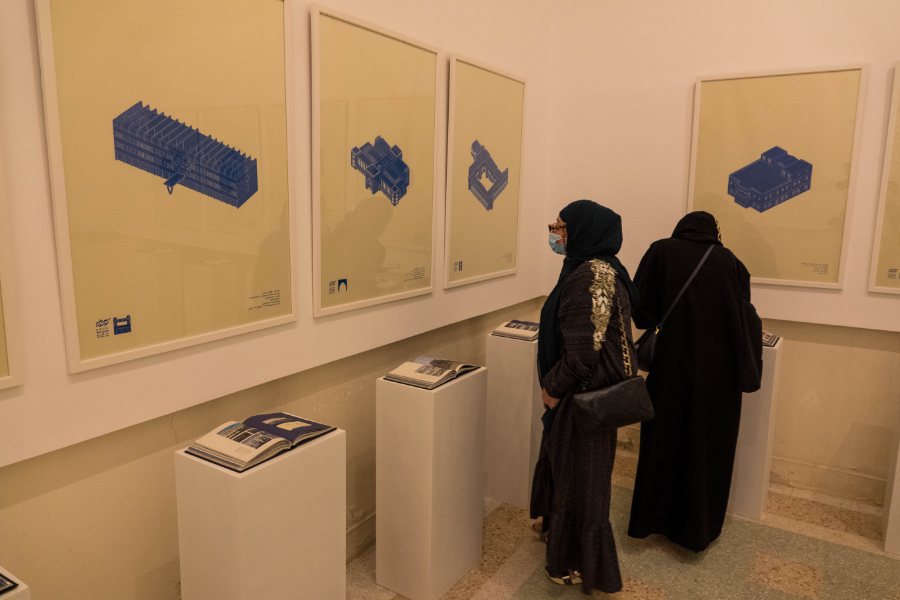
Saudi Modern tackles the narrative of architecture and urban development in the coastal city between 1938 and 1962. (AN photo by Huda Bashatah)
“By studying the individual projects, buildings, and developments during this time period, we will better understand our collective modern heritage and develop an articulated discourse around it,” Abdulrahman Gazzaz, Saudi Modern curator, told Arab News.
The first edition of the series looks at Jeddah starting in 1938, narrating the city’s early encounters with modern development. Curated by the founders of the initiative, the exhibition is divided into two parts. The first part documents key moments in urbanism and architecture to reconstruct fragments of a rapidly evolving city. The exhibited material is the result of an experimental approach to building an archive through a limited set of available resources, photographic surveying, and digitization technologies.
Drawing from the research material in the first part, a group of seven artists and architects developed a series of works responding to the city’s broader social, cultural, and economic narratives. This second part sets out to forge new interactions between the artist and the built traces of a period marked with accelerated expansion efforts that forever recomposed the face of Jeddah and its civic community.
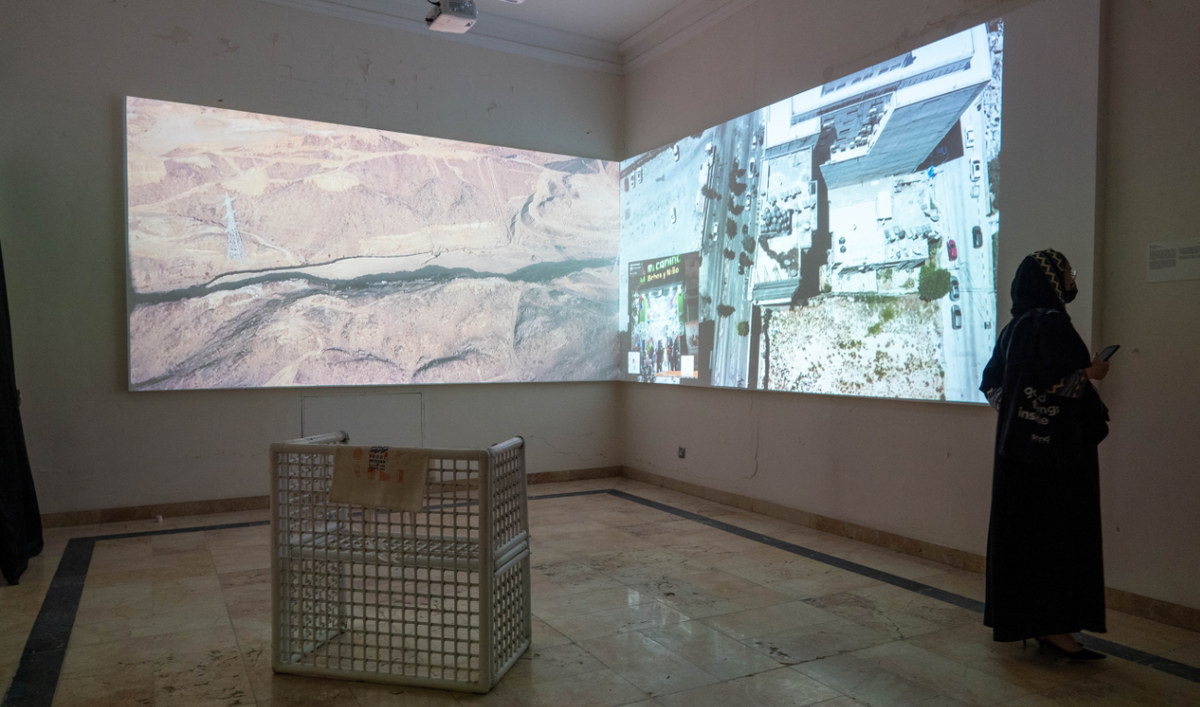
Saudi Modern tackles the narrative of architecture and urban development in the coastal city between 1938 and 1962. (AN photo by Huda Bashatah)
Works by contemporary artists and architects will be put on display throughout the exhibition’s run. They include both acclaimed and emerging artists Alaa Tarabzouni, Ahmed Mater, Filwa Nazer, Nasser Al-Salem, Zainab Alireza, Dima Srouji, Aziz Jamal, and Lina Gazzaz.
“It all started with a question, what is the genius loci (the genius of the place) of Jeddah? What is this distinct character that makes it what it is? Surely it’s not only Al-Balad,” Lina Gazzaz said.
“There’s a fascinating set of architectural styles that emerged as the city moved away from vernacular building traditions. The use of concrete has dominated our streets and international styles have infiltrated the language of our urban fabric. It is this very fact that is long forgotten and removed from our collective understanding of our cities,” Saudi Modern strives to acknowledge history in a boundless manner.
Gazzaz’s brother, Turki, said the exhibition on Jeddah is the first step to better understand modern development, in the built environment and the manner in which it has affected social change. As we approach the centennial of the discovery of oil, a critical inquiry into this pivotal period becomes instrumental in articulating ideas around our cultural heritage.
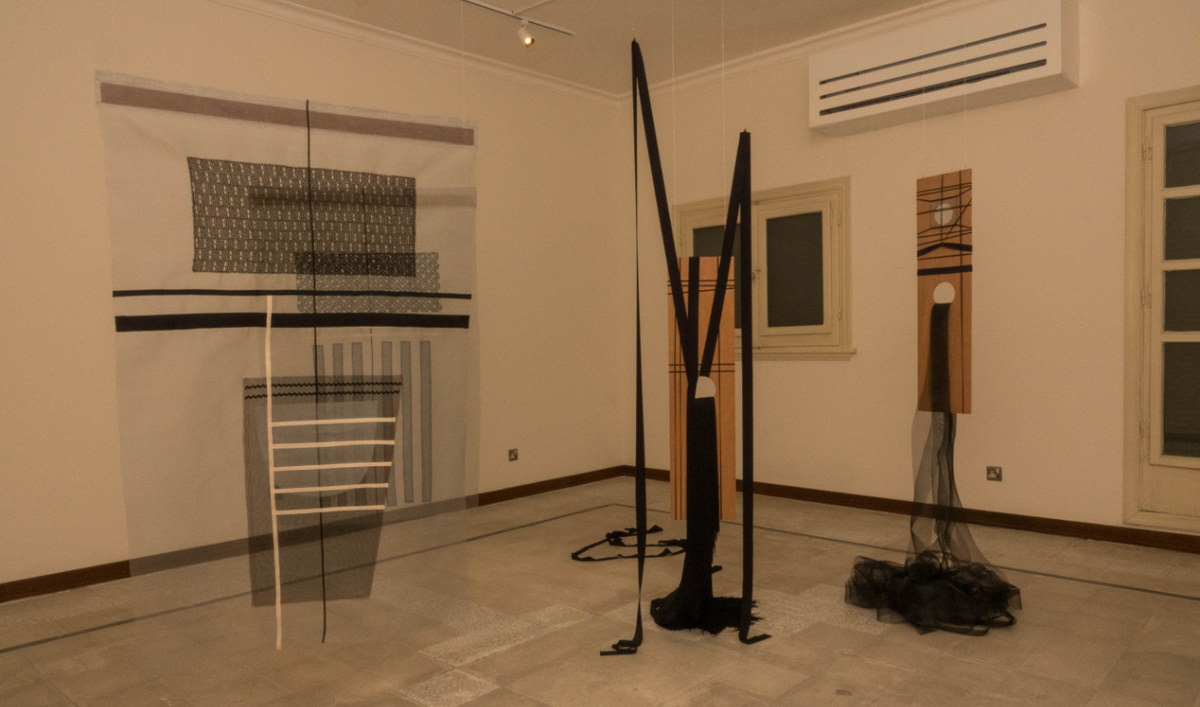
Saudi Modern tackles the narrative of architecture and urban development in the coastal city between 1938 and 1962. (AN photo by Huda Bashatah)
The exhibition will continue at Tamer house until Dec. 20 and includes weekly talks and discussions by professionals and experts in architecture and urban planning.
Project manager Rasha Zaki Farsi spearheaded the exhibition, which aims to raise awareness of the nation’s modern heritage both locally and internationally. It will also influence local policies pertaining to the preservation of heritage structures and motivate developers and property owners to readapt and reuse spaces.
“Saudi Modern is an initiative that documents, studies, and analyzes the progression of Saudi architecture since the 1940s and celebrates it through artistic interpretation. Architectural designs are explored within Saudi’s unique cultural and philosophical context,” Farsi said.
“As the past is what moves us forward, Saudi Modern aims to provide an authentic outlook on Saudi architecture’s tangible history as a valuable resource for future generations to build on.”
Zayd M. Zahid, CEO of Zahid Group, the exhibition’s main sponsor, said exploring Jeddah’s many facets delivers a fascinating journey through time.
“It is shaped by the diverse and enriching influences that a lifetime of different cultures, people, and activities have had on this charming city,” he said.
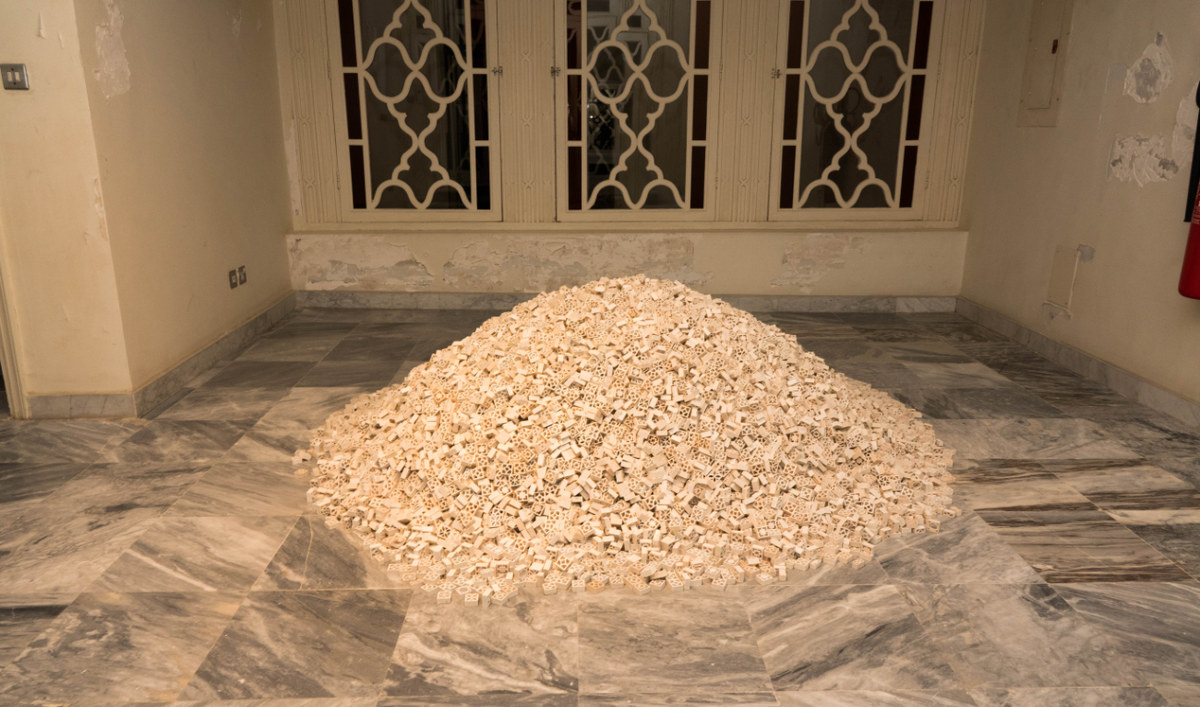
Saudi Modern tackles the narrative of architecture and urban development in the coastal city between 1938 and 1962. (AN photo by Huda Bashatah)
“The artists and team at Saudi Modern have done a wonderful job of capturing a pivotal period in Jeddah’s development. A timely initiative to refresh our memories and educate us, as the Kingdom embarks on its next phase of modernization.”
It is part of a more extensive study of the Kingdom’s history into modernity. It is an experimental approach to urban and historical research in which artistic practices and academic methodologies are used to communicate the period’s contemporary relevance. Three themes were highlighted: architecture, urbanism, and contemporary art.
Aside from the three themes, Magic of Imagination, a Jeddah-based creative institute for children, collaborated with Bricklab to present “The Curse of Light,” which has enthralled visitors.
MOI Director Batool Abedi explained the artwork from the institutes’ children.
“This work was created through the imagination of a group of children aged 8-12 years old. The children were immersed in an empty Tamer house, allowing them to absorb the architectural design and create something through their experience of the house itself. The children’s perception was that the house was haunted,” he told Arab News.
“This was the basis of their design. Then, through the motifs of the house, such as on the ceilings, doors, cornice, and chandeliers, the children began to compose a story about the house. Through this process, they created works of art to portray and visualize their story.”


