

First Pakistani brand launches virtual clothing amid global NFT craze

Artisans work in a small embroidery factory in Karachi, Pakistan on May 6, 2009. (AFP/File)
Short Url
Updated 29 October 2021
Follow

First Pakistani brand launches virtual clothing amid global NFT craze

  • Non-fungible tokens are digital assets that use blockchain technology to record ownership of online items
  • Rastah’s entry into the NFT space will be marked by an auction of their digital piece next week

RAWLPINDI: High-end streetwear brand Rastah has become Pakistan’s first fashion outlet to venture into the world of non-fungible tokens (NFTs) with the upcoming release of their digital outfit.

NFTs are a type of digital asset which use blockchain technology to record the ownership of online items such as images, videos, trading cards or land in virtual worlds. First launched in 2015, NFTs exploded in popularity earlier this year. According to NFT market tracker DappRader, sales volumes of NFTs surged to $10.7 billion in the third quarter of 2021.

The fashion world has also embraced NFTs, with luxury accessories brand Jimmy Choo recently launching virtual collectables and American designer Rebecca Minkoff showing an entire NFT collection during New York Fashion Week 2021. In India, one of the most coveted designers Manish Malhotra, sold NFTs of digital sketches of some of his most recognizable creations at $4,000 per image earlier this month.

Rastah’s entry into the NFT space will be marked by an auction of their digital piece from the upcoming “Love & Fear” collection on the Foundation Rastah site on Nov. 5. The garment, produced in collaboration with Lahore-based design house DMTLabs will also come in the physical form.
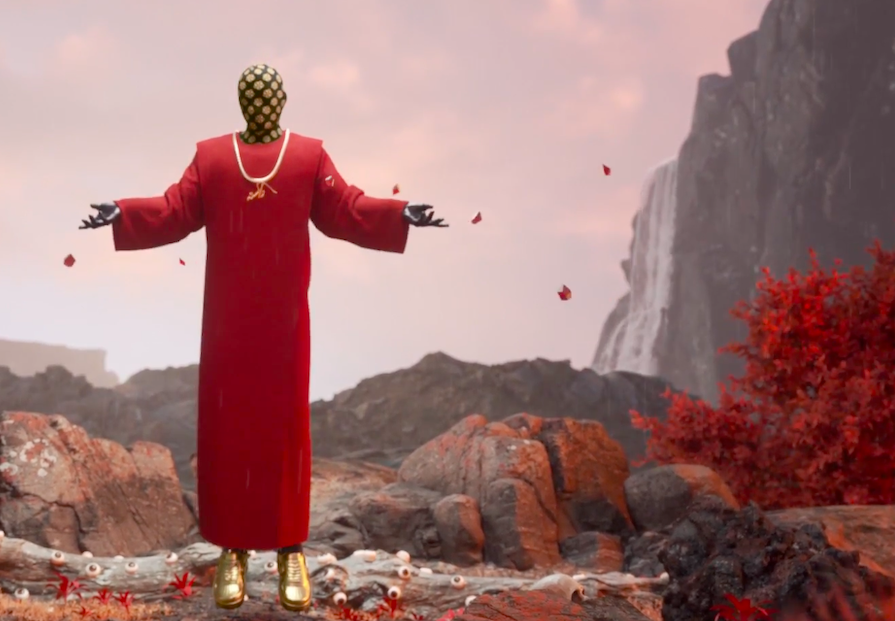


A digital fashion item designed by Rastah, Pakistan’s first fashion outlet to venture into the world of non-fungible tokens (NFTs). (Photo courtesy: Rastah)

“It’s an immense moment of pride for us to be able to accompany this digital NFT with an actual physical piece,” Rastah cofounder Zain Ahmad told Arab News over the phone. 

“The inspiration to make the NFT came from the DNA of our brand which focusses on working with artisans and providing them access to a global marketplace,” he said.

For the brand, entering the NFT space was an act entering the global stage and form of “rebellion.”

“Rebellion in the sense that you have these artisans and designers who are not connected to the Internet or to the outside world,” Ahmed added. “For us to create an NFT Rastah is saying ‘hey, we’re here, and we’re going to be part of the discourse.’“

He sees the introduction of NFTs also as a way of empowering the artisans who work with the brand and making them earn more.
 
“We see a future of NFTs where we work with our designers to create physical pieces and we will also create an NFT for that piece with all of the money going to the artisan,” he said. “This is only the start of us expanding into the NFT space.”

Rastah’s collaborator DMTLabs sees big opportunities for designers in NFTs.

“There is a massive opportunity for fashion in the NFT world, this is the first time that a Pakistani brand is entering into the NFTs,” DMTLabs founder Sadat Mirza said. “We are very excited to represent this landmark moment.”

“Our goal is to empower creators and brands into the digital creative future with sustainable solutions and deliver future-proof digital assets and visual experiences.”
 
Zain Naqvi, one of the founders of Alter, the NFT auction space which made headlines earlier this year by facilitating the sale of one of Pakistan’s most viral memes, “Friendship ended with Mudasir,” told Arab News the launching of digital fashion items through NFTs is “logical growth.”

“Before Rastah there have been other fashion brands benefiting from stepping into the NFT space. For example, Vogue Singapore and Vogue China have done covers of their magazines that were NFT’s. You did not see anything on the physical magazine but the moment you turned your phone on it was an augmented reality (AR) projection of the cover,” Naqvi said.

“I think it’s the perfect marketing tool to build on the work and connect with millennials and the next generation.”


Four people, including two policemen, killed in twin blasts in northwest Pakistan

Updated 07 March 2026
Follow

Four people, including two policemen, killed in twin blasts in northwest Pakistan

  • Attack on police van in South Waziristan and motorbike-mounted IED in Lakki Marwat hits KP province
  • Violence comes amid a surge in militancy and cross-border clashes between Pakistan and Afghanistan

ISLAMABAD: At least four people, including two policemen, were killed and about 20 others wounded in two separate blasts in Pakistan’s northwestern Khyber Pakhtunkhwa province on Saturday, officials said, the latest violence in a region grappling with militant violence.

One explosion targeted a police patrol van in Wana, the main town of South Waziristan district near the Afghan border, while another blast caused by explosives mounted on a motorbike struck a market area in Lakki Marwat district, according to police officials and preliminary reports.

The incidents come amid rising militant violence in Pakistan’s northwest, where authorities say armed groups operate from across the border in Afghanistan, straining relations between Islamabad and the Taliban administration in Kabul, with both sides engaged in a military conflict since last month.

“The control room received information in the evening about a bomb blast targeting a police van in Wana Bazaar,” a police official in the area, who did not want to be named, confirmed while speaking to Arab News over the phone.

He confirmed two deaths in the incident while saying more than 25 people had been injured.

The official said rescue teams responded promptly and shifted three seriously injured people to a nearby hospital in Wana.

In another incident during the day in Lakki Marwat, an improvised explosive device attached to a motorbike exploded near shops.

“Two people have been killed and about 10 have been injured in an IED blast in Lakki Marwat,” Raza Khan, Deputy Superintendent of Police in Bannu, told Arab News.

“The deceased are identified as Shoaib Ur Rehman and Furqan Ullah,” he added. “Shoaib, the owner of the shop, was the brother of the Lakki peace committee head.”

Peace committees in the region are informal, community-based groups that work with security forces to report militant activity and maintain order, making their members frequent targets of attacks.

Pakistan’s Interior Minister Mohsin Naqvi condemned the attacks and expressed grief over the incidents.

“I strongly condemn the blast near a police patrolling vehicle in Wana Bazaar,” Naqvi said in a statement, confirming the killing of four people, including two police personnel.

“Khyber Pakhtunkhwa police are on the front line in the war against terrorism,” he said, noting the force had made “unforgettable sacrifices” in the fight against militant groups.

Militant violence has surged in Pakistan’s border regions in recent months, particularly in Khyber Pakhtunkhwa and Balochistan provinces.
Islamabad has repeatedly accused the Afghan Taliban government of allowing militant groups, including the Tehreek-e-Taliban Pakistan (TTP), to operate from Afghan territory — a charge Kabul denies — as cross-border tensions between the two neighbors have escalated.