

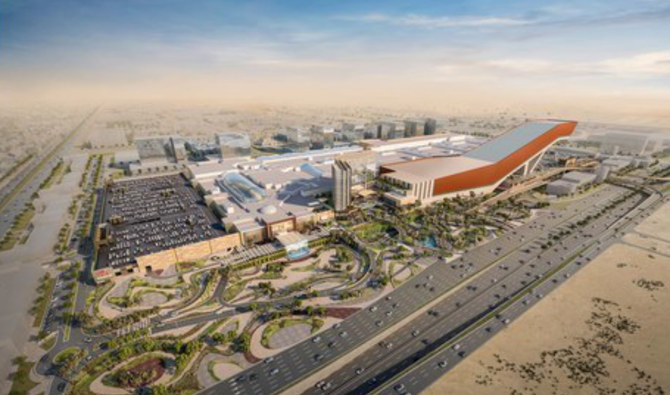

RIYADH: Alain Bejjani, chief executive of the Majid Al-Futtaim retail and hospitality conglomerate, told Arab News about the “humungous project” now under way in the Kingdom after he formally began construction of the Mall of Saudi.
Straight after a ground-breaking ceremony for the new mall, Bejjani said at the FII form in Riyadh: “It will be one the largest malls in the world, and will have a cutting-edge customer experience and at the edge of the leading retail of tomorrow. It will be a big attraction for shopping, leisure and entertainment, but also a big tourist attraction internally and globally.”
The new mall, being developed at a cost of 16 billion riyals ($4.3 billion) over the next four years, will include six hotels and around 1,600 residential units in “an integrated community that offers a very new lifestyle in line with Vision 2030.”
It will also have the largest indoor ski slope and snow dome in the world, he confirmed.
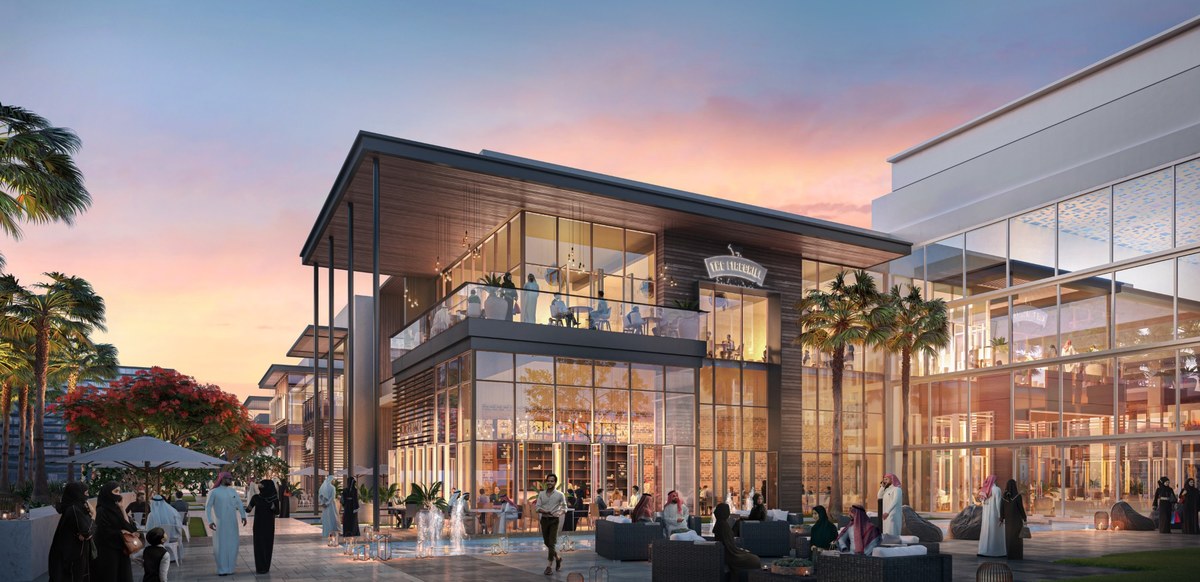
Although progress on the project was slowed last year by the pandemic lockdowns, behind the scenes Bejjani was working to attract tenants to the new development. “I can tell you every global brand is already in Mall of Saudi or has signed up to be there. We started leasing a year ago, and we’re very happy about the level of uptake. It’s a testimony to the Saudi market and the comeback that we’ve seen post-pandemic. This is coming back, we are recovering,” he said.
MAF group, which operates cinemas, supermarkets and hotels, in addition to malls, was seriously affected by the pandemic last year, when many of its businesses were forced to close temporarily. He said that while there was a recovery underway in the Carrefour supermarkets, the retail grocery business in Saudi Arabia was going through a “recalibration.”
#WATCH: @majidalfuttaim CEO @alainbejjani talks about their @mallofsaudi project, which he claims to become one of the biggest malls in the world when it opens by the end of 2025#ImpactOnHumanity @FIIKSAhttps://t.co/XNaptWaQll pic.twitter.com/Uq5KjlWGT2
— Arab News (@arabnews) October 28, 2021
“Last year we were hoarding and buying more than we needed. This isn’t happening anymore because people are no longer in fear of meeting their grocery needs. So there was a recalibration in early 2021. But from September, we are seeing growth coming back and this is very important. Next year is definitely going to be a growth year,” he said.

Alain Bejjani, CEO of Majid Al-Futtaim, with Frank Kane in Riyadh. (Supplied)
Many households shifted purchase of essential goods online during the pandemic, and some of that has stuck. Saudi online grocery sales are about 10-12 per cent of total sales, he said, among the highest in the region.
Two other big markets for MAF — in the UAE and Egypt — were also showing strong recovery growth, he said. “The recovery in the world retail economy is stronger than in other parts of the economy,” he added.
In the Vox cinema business, he said fears that the movie business would lose out to the streaming services like Netflix had proved to be misplaced. “People want the experience, they are coming back to the movies,” he said.
But the cinema business was still in need of good quality content, after studios were forced to stop production last year.

MAF is considering ways to promote regional and local cinema content. “What our customers want is Arabic content, Khalijee content, Egyptian content, and one of our plans is to foster local content development and production. This is something we are doing with a number of partners,” Bejjani said.
He also spoke about the chronically low levels of cross-border trade in the GCC countries, in comparison with other trading blocs such as the EU and ASEAN.
“The wider Middle East region has half the labour productivity of other parts of the world,” he said, advocating an end to tariffs and freer movement of labour, potentially involving a special “business visa” to give multiple entry in the GCC countries.


