

Saudi Arabia elected chair of FAO’s commission on regional fisheries

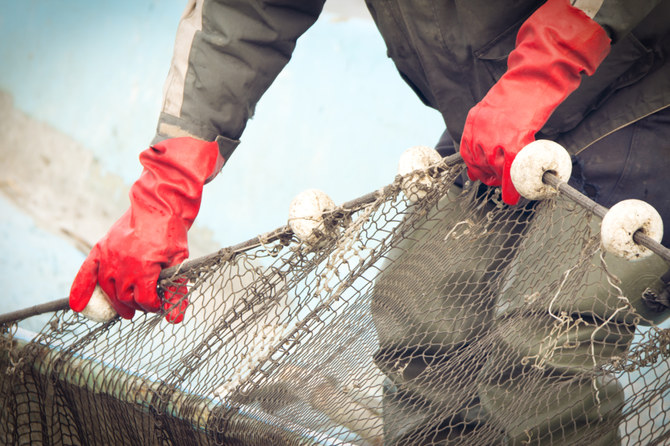
In recent years, the efforts of the Kingdom in fishery conservation have resulted in an increase in the volume of seafood production. (Shutterstock)
Short Url
Updated 28 October 2021
Follow

Saudi Arabia elected chair of FAO’s commission on regional fisheries

RIYADH: The Regional Commission for Fisheries of the Food and Agriculture Organization has elected Saudi Arabia as chair of the eleventh session, for three years, by unanimous vote.

The Kingdom is represented in the RECOFI by Dr. Ali Al-Sheikhi, CEO of the National Fisheries Development Program. He also serves as director general of the General Department of Fisheries at the Ministry of Environment, Water and Agriculture, and as president-elect of RECOFI.

The Ministry of Environment, Water and Agriculture said that the Kingdom’s election came due to its prominent role — regionally and globally — in the fishing industry and its efforts to protect the environment, and preserve the sustainability of natural and marine resources.

It said that RECOFI aims to encourage the development, conservation, management, best use of living marine resources and the sustainable development of the aquaculture sector within its work area. It also reviews economic and social aspects of the fishing industry and recommends measures to develop natural resources.

In recent years, the efforts of the Kingdom in fishery conservation have resulted in an increase in the volume of seafood production, amounting to about 85,000 tons in fisheries and 100,000 tons in aquaculture.


National wildlife center launches training program for rangers

Updated 4 sec ago
Follow

National wildlife center launches training program for rangers

RIYADH: The National Center for Wildlife has launched a new training program to improve rangers’ skills in capturing, transporting and monitoring animals, the Saudi Press Agency reported.

The program starts with “proper wildlife handling during transport, progressing through capture methods and post-release monitoring, and concluding with the evaluation of designated release sites,” the center said.

Its goal is to unify procedures for wildlife translocation and release, strengthen ranger readiness, ensure the environmental and administrative suitability of release sites, and enhance the overall efficiency of field implementation, the report said.

The training included visits to the King Khalid Wildlife Research Center, which is equipped with a veterinary clinic and laboratories, as well as a number of hands-on exercises.

The NCW said the program was part of its ongoing efforts to build specialized national competencies in wildlife management, reinforce reintroduction programs, safeguard biodiversity and contribute to more effective reserve management and the achievement of the Kingdom’s environmental sustainability goals.