PESHAWAR/ISLAMABAD: When Lal Zari’s uncle killed a man over a land dispute in the northwestern Khyber Pakhtunkhwa province in 2009, the then 16-year-old could never have imagined that she would have to pay the price.
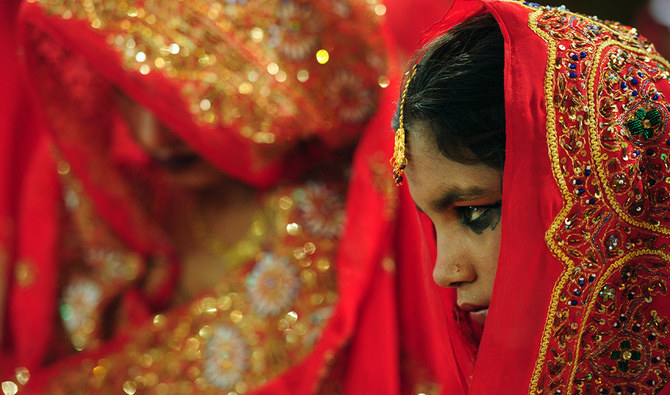
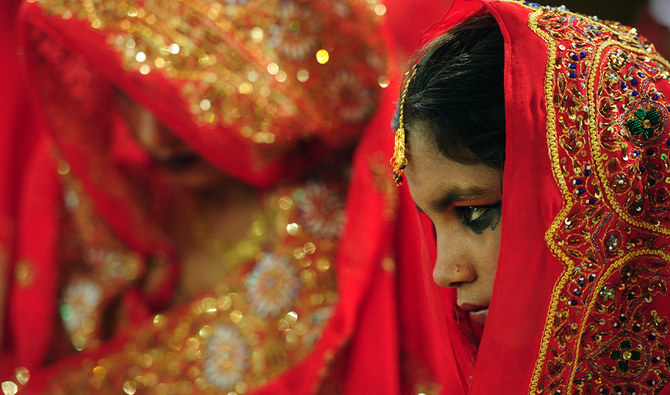
Just days after the murder, Zari was forced by the men in her family to wed a man in his early 40s under a local custom called swara in which women and minor girls are given in marriage or servitude to an aggrieved family as compensation to end family disputes and prevent further bloodshed. The decision for such marriages is usually handed down by a jirga, or local council of elders.
As a three-member bench of Pakistan’s Federal Shariat Court this week declared the tradition un-Islamic, Zari rejoiced, saying the verdict gave her hope other young girls would not have to suffer her fate.
“Thank God this decision has been announced, it will protect other girls from swara,” she told Arab News in a telephone interview. “I will let my daughters choose who they want to marry and not allow anyone to impose their will on them.
“I know what calamity swara brings,” she said: “It ruins lives.”
Zari remembered leaving her parents’ house as her mother and siblings wailed after her: “I cannot forget the night when I left my home as a bride: It was like a funeral, everyone was mourning my departure.”
At her husband’s house, the first day itself set the course of what was to come after: Her mother in law made her sleep outside in the “harsh winter night.”
Zari’s story is not uncommon. Victim testimony documented by activists shows that most swara brides are much younger than the men they are wed to, and are often mere children who are usually treated badly, or "like slaves," in the home of their in-laws, according to human rights activist Samar Minallah, who made the famed 2003 documentary ‘Swara: Bridge Over Troubled Waters.’
Zari is one of few victims who managed to leave her abusive husband and his family with the help of a local NGO, the Aman Welfare Organization. She now lives with her five children at a shelter in Mardan provided by the charity.
There are no exact data on the number of swara marriages in Pakistan but the country has the sixth highest number of girls in the world married before the age of 18, according to UN Women. Child marriage is prevalent due to several reasons, including deeply entrenched traditions and customs, poverty, lack of awareness and access to education, and lack of security.
Minallah told Arab News she was excited to hear the FSC verdict against the practice but had reservations it would be implemented.
Pakistani courts in several provinces have declared the practice illegal in the past but authorities continue to turn a blind eye.
“Such decisions [such as by the FSC] do make a positive impact but I think this custom was already declared illegal in the past,” Minallah said. “The biggest problem with swara cases is that the law is not implemented properly.”
Last month, Shangla police in Khyber Pakhtunkhwa’s Malakand district rescued a 12-year-old girl, Salma Bibi, after she was given as swara on the orders of a local jirga, or dispute resolution council. In Bibi’s case, her elder brother was found to be in a relationship with a girl in his neighbourhood and Bibi's marriage to a boy in the other girl's family was part of the settlement between the two feuding sides.
Seven members of the jirga, including a prayer leader, were arrested in the case, police said.
“All the accused were arrested by the local police and sent to judicial lockup,” local police officer Umar Rehman told Arab News. “The case is now under trial in a court.”
Rafaqat Begum, who heads the Aman Welfare Organization, said she welcomed the verdict of the Federal Shariat Court but hoped for “implementation and accountability.”
Meanwhile, the decision came a little too late for Zari.
“I pray to God to protect every girl from the menace of swara,” she said, bursting into tears. “It deprives young girls of the pleasure in life.”


![]()
Wedding ‘like a funeral’: Victims, activists welcome court verdict declaring ‘compensation marriage’ un-Islamic
Short Url
https://arab.news/mwu52
Wedding ‘like a funeral’: Victims, activists welcome court verdict declaring ‘compensation marriage’ un-Islamic
- Custom of swara involves girls being given in marriage or servitude to aggrieved family as compensation to end disputes
- Though laws in 2005 and 2011 declared swara illegal it continues to be practiced and authorities often turn a blind eye
Latest updates





© 2026 SAUDI RESEARCH & PUBLISHING COMPANY, All Rights Reserved And subject to Terms of Use Agreement.