China aims to cut fossil energy use to below 20% by 2060

Short Url
Updated 24 October 2021
Follow

China aims to cut fossil energy use to below 20% by 2060

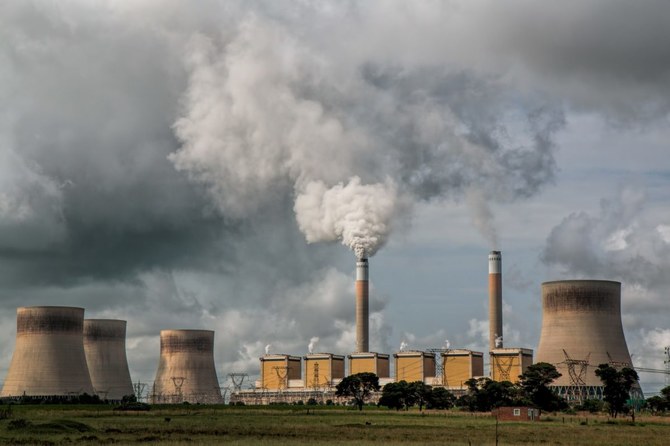
BEIJING: China is targeting an ambitious clean energy goal of reducing fossil fuel use to under 20 percent by 2060, according to an official plan published by state media on Sunday.

The document follows a pledge by President Xi Jinping to wean the country off coal, with a target of peaking carbon emissions by 2030 and achieving carbon neutrality 30 years later.

But the country has been criticized for pushing ahead with opening dozens of new coal power plants.

Authorities have also been looking to ramp up production with coal prices surging and supplies running low in recent days, both factors behind power outages.

But on Sunday, China’s official Xinhua news agency laid out a host of targets in its path towards carbon neutrality.

Among them was the proportion of non-fossil fuel consumption reaching around 25 percent of total energy use by 2030 — when the nation targets peak emissions.

By then, carbon dioxide emissions per unit of gross domestic product would have dropped by more than 65 percent from 2005 levels, while the total installed capacity of wind and solar power is targeted to reach more than 1.2 billion kilowatts, Xinhua said.

The guidelines also reiterated an earlier aim for carbon emissions per unit of GDP to fall 18 percent in 2025, from 2020 standards.

China faces a struggle to wean itself off coal, which fuels nearly 60 percent of its energy-hungry economy.

Economic planners are nervous about slashing coal too quickly as it could cripple growth.

While China said in an earlier statement that President Xi intended to “strictly control” the growth of coal power plants, it also signaled a continued increase in the next few years, saying coal consumption would start to gradually reduce from 2026.


IsDB announces $2.41bn in new financing for strategic development sectors

Updated 24 February 2026
Follow

IsDB announces $2.41bn in new financing for strategic development sectors

JEDDAH: The Islamic Development Bank has approved $2.41 billion in new financing for a series of transformative projects during its 364th Executive Board meeting, chaired by IsDB President Mohammed Al-Jasser.

The approvals underscore the bank’s ongoing commitment to regional cooperation, economic development, and climate- and environment-friendly investments that advance the UN Sustainable Development Goals across its member countries.

The new financing includes an additional $40 million for the Central Asia–South Asia Electricity Transmission and Trade Project (CASA-1000) in Tajikistan, aimed at boosting regional energy trade, improving electricity access and reliability, and mitigating climate change through the export of clean and renewable energy.

The bank also approved €116 million ($135 million) to upgrade Senegal’s Dakar Expressway Project.

The initiative is designed to improve health, education, and economic services for local populations, reduce traffic congestion and peak travel times, and enhance road safety measures to halve traffic-related deaths and injuries, with a particular focus on women and young pedestrians.

A $1.307 billion allocation was approved for Kazakhstan’s Economic and Industrial Zones Project to foster sustainable industrial development.

The initiative is expected to promote economic diversification, attract investment, create jobs, and boost global competitiveness through infrastructure upgrades and operational efficiency in special economic zones, industrial zones, and specialized industrial zones.

Bahrain will receive $330.07 million to expand its industrial capacity and strengthen economic competitiveness. The funding will support the development of modern industrial land with resilient infrastructure, advanced export-oriented manufacturing, effective internal connectivity, and reclaimed land facilities.

The project aims to stimulate private investment, generate employment, and reinforce Bahrain’s position as a regional industrial and logistics hub.

The IsDB approved $160 million to enhance utilities, water, and urban development sectors in Jordan.

The financing will secure future drinking water supply for Aqaba, Amman, and northern regions, support climate adaptation and mitigation, foster economic growth, and promote private sector participation in sustainable, long-term water solutions to alleviate severe water stress.

Azerbaijan was granted $436.67 million to improve agricultural productivity by reducing irrigation water losses and supporting sustainable rural development, in line with Azerbaijan’s 2030 vision.

The project will also promote green growth, strengthen climate resilience, and ensure long-term food security.

The approved projects reflect the IsDB’s strategic focus on fostering sustainable and inclusive growth across member countries by addressing critical infrastructure, energy, water, transport, and industrial development challenges.

These initiatives are expected to deliver lasting impact and contribute effectively to achieving the Sustainable Development Goals.