Saudi fast-food franchise operator Alamar Foods considers IPO: Reuters

Getty Images
Short Url
Updated 18 October 2021
Follow

Saudi fast-food franchise operator Alamar Foods considers IPO: Reuters

  • Alamar is the master operator for the U.S. pizza chain, with 455 stores in the Middle East, North Africa and Pakistan

Saudi fast-food franchise operator Alamar Foods considers IPO, sources say

DUBAI, Oct 18 (Reuters) - Saudi Arabia's Alamar Foods, the regional franchise operator for Domino's Pizza, is considering an initial public offering (IPO) that would allow The Carlyle Group sell some of its stake, three sources familiar with the matter said.

Alamar Foods has hired HSBC to arrange the share sale, the sources told Reuters. They said deliberations were at an early stage and no final decision had been made.


Alamar Foods did not immediately respond to a request for comment. HSBC declined to comment. Carlyle, which has $276 billion in assets under management and holds 42 percent of Alamar, did not respond to a request for comment.

Alamar is the master operator for the U.S. pizza chain, with 455 stores in the Middle East, North Africa and Pakistan. It also has the franchise rights for U.S. chain Dunkin' Donuts in North Africa.

Carlyle invested in Alamar in 2011, acquiring a 42 percent stake for an undisclosed amount from the AlJammaz family.

The sources said Carlyle would use the IPO to stage a partial exit, with one source saying it planned to sell about 30 percent. AlJammaz family aimed to retain their majority ownership, the sources said.

Private equity firms generally seek to exit their investments five to seven years after buying in.

Saudi Arabia's food and beverage industry is the largest in the Middle East, consultancy JLL said in a report last year.

The Saudi Arabian General Authority for Investment (SAGIA) estimated that spending on food service would grow by 6 percent a year over the next five years.

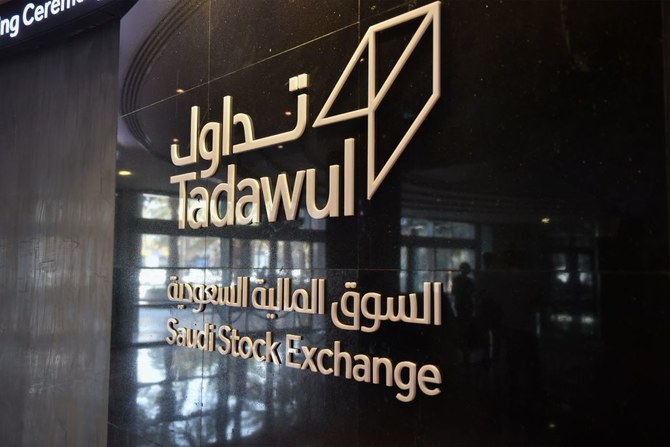
Saudi Arabia's stock market, whose shares have climbed more than 35 percent this year, is expected to have several new listings in the next 12 months, including the stock exchange owner Tadawul and the specialty chemicals business of Saudi Basic Industries Corp.

Saudi Arabia's Capital Markets Authority said in September about 45 companies were waiting for listing approval.


Saudi minister at Davos urges collaboration on minerals

Global collaboration on minerals essential to ease geopolitical tensions and secure supply, WEF hears. (Supplied)
Updated 20 January 2026
Follow

Saudi minister at Davos urges collaboration on minerals

  • The reason of the tension of geopolitics is actually the criticality of the minerals

LONDON: Countries need to collaborate on mining and resources to help avoid geopolitical tensions, Saudi Arabia’s minister of industry and mineral resources told the World Economic Forum on Tuesday.

“The reason of the tension of geopolitics is actually the criticality of the minerals, the concentration in different areas of the world,” Bandar Alkhorayef told a panel discussion on the geopolitics of materials.

“The rational thing to do is to collaborate, and that’s what we are doing,” he added. “We are creating a platform of collaboration in Saudi Arabia.”

Bandar Alkhorayef, Saudi Minister of Industry and Mineral Resources 

The Kingdom last week hosted the Future Minerals Forum in Riyadh. Alkhorayef said the platform was launched by the government in 2022 as a contribution to the global community. “It’s very important to have a global movement, and that’s why we launched the Future Minerals Forum,” he said. “It is the most important platform of global mining leaders.”

The Kingdom has made mining one of the key pillars of its economy, rapidly expanding the sector under the Vision 2030 reform program with an eye on diversification. Saudi Arabia has an estimated $2.5 trillion in mineral wealth and the ramping up of extraction comes at a time of intense global competition for resources to drive technological development in areas like AI and renewables.

“We realized that unlocking the value that we have in our natural resources, of the different minerals that we have, will definitely help our economy to grow to diversify,” Alkhorayef said. The Kingdom has worked to reduce the timelines required to set up mines while also protecting local communities, he added. Obtaining mining permits in Saudi Arabia has been reduced to just 30 to 90 days compared to the many years required in other countries, Alkhorayef said.

“We learned very, very early that permitting is a bottleneck in the system,” he added. “We all know, and we have to be very, very frank about this, that mining doesn’t have a good reputation globally.

“We are trying to change this and cutting down the licensing process doesn’t only solve it. You need also to show the communities the impact of the mining on their lives.”

Saudi Arabia’s new mining investment laws have placed great emphasis on the development of society and local communities, along with protecting the environment and incorporating new technologies, Alkhorayef said. “We want to build the future mines; we don’t want to build old mines.”