ISLAMABAD: A British-Pakistani, who arrived in Islamabad in July to see his ailing mother but could not return to London due to the UK government’s travel restriction on Pakistan, said on Saturday he anxiously wanted to hold his daughter once again.
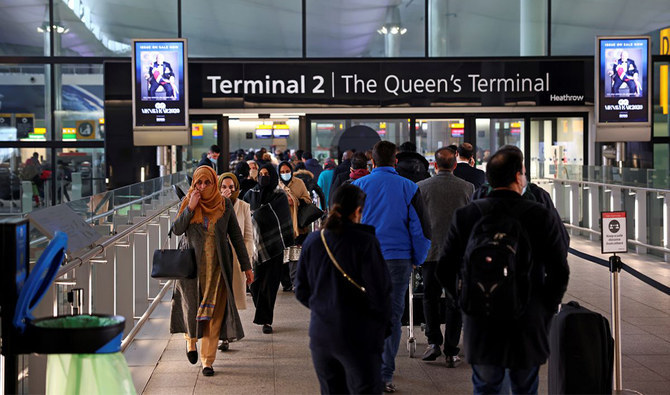
Imran Niazi had to leave his wife and daughter behind in Britain while traveling to Islamabad but found himself stranded here due to the UK government’s “red list” requirements which expected him to undergo a costly 10-day hotel quarantine amid rising coronavirus concerns.
UK officials decided to place Pakistan on its red list in April due to a surge in COVID-19 delta variant cases in the country and added the South Asian state to its safe list on Friday.
“I am anxiously waiting to hug my 12-year-old daughter,” Niazi told Arab News. “This was a stressful time, and thank God, the UK has eased its travel restrictions.”
He said that much of his time in Islamabad was spent making video calls to his family.
“Hopefully, I will be joining them in about two weeks,” he continued.
Almost all airlines including British Airways, Emirates and Virgin Atlantic have resumed their operations from Pakistan, but they are either fully booked or their fares have gone extremely high due to the growing travel demand to the UK.
The one-way fare from Islamabad to London can currently cost between £1,800 to £2,165, though it used to be around £300 before the UK travel restrictions.
“I’ll obviously wait for at least two weeks to book my flight as this fare is too high for me to afford,” Niazi said, adding his real estate and security services business in London had already been “badly affected” due to the pandemic.
All those traveling to the UK from Pakistan need to be fully vaccinated with Pfizer, AstraZeneca or Moderna, otherwise they will require a booster shot of any of these vaccines before taking a flight.
Mirza Khalil Ullah, who runs a property business in Mill Hill, London, came to see his relatives in Karachi in February but got stuck in the country.
“We British-Pakistanis have got this relief after a very hard time,” he said. “I would request all Pakistanis that they should not do anything that can put us in trouble again or tarnish Pakistan’s image.”
He said he had taken the Chinese Sinopharm vaccine and was planning to get a Pfizer shot before booking his flight.
Another IT professional from London, Amir Faisal Awan, was also stranded in Pakistan for the last five months due to the travel restrictions.
“It has been a horrible experience,” he said while adding that his father was suffering from dementia and could not stay in confined places.
“The British government should have thought [of] us as British and not just Pakistanis,” he complained. “They should have facilitated us instead of involving us in their political issues. I am really excited now and just want to be back with my family. It was a very bad feeling that I had my passport and ticket but could not fly back to them.”
Rafiq Saya, a businessman based in Ireland, came to Karachi to negotiate a deal but got stuck here for months.
“It has affected my business in Ireland and kept me away from my family,” he said, while welcoming the UK government’s decision to remove Pakistan from the travel red list.
“It is a great thing for everybody since we can now go back to work and be with our families again,” Saya added.


![]()

‘Thank god’: British-Pakistanis excited to return to families after UK lifts travel restrictions
Short Url
https://arab.news/6nzmw
‘Thank god’: British-Pakistanis excited to return to families after UK lifts travel restrictions
- One-way fare from Islamabad to London can currently cost up to £2,165, though the flights are still overbooked
- A stranded IT professional from London says UK authorities should have ‘thought of us as British, not just Pakistanis’ to avoid playing politics on the issue
Latest updates


Recommended


© 2026 SAUDI RESEARCH & PUBLISHING COMPANY, All Rights Reserved And subject to Terms of Use Agreement.