

Saudi Tourism Development Fund signs $93.3m contract to build forest resort in Al-Baha

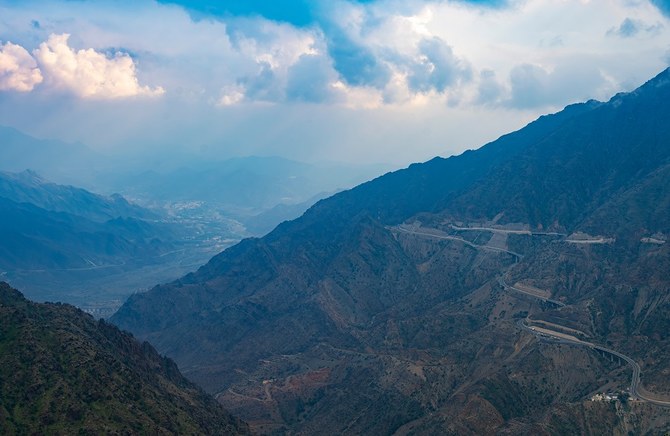
The project consists of a hotel, a tourist center as well as a popular market to display the products of the Al-Baha. (Shutterstock)
Short Url
Updated 14 September 2021
Follow

Saudi Tourism Development Fund signs $93.3m contract to build forest resort in Al-Baha

  • The Raghadan Resort is considered the first pioneering tourism project in the Al-Baha region

RIYADH: The Saudi Tourism Development Fund and Seera Group signed on Monday an investment contract of more than SR350 million ($93.3 million), for the construction and operation of Raghadan Tourist Resort, on an area of more than 50,000 sqm, Al Eqtisadiah reported.

The Raghadan Resort is considered the first pioneering tourism project in the Al-Baha region, the fund said in a Tweet.

Al-Baha region Mayor, Ali bin Muhammad Al-Swat said the contract was concluded according to the “land - opportunity - loan” model for a period of 50 years, with investment returns that exceeded SR181 million

The project consists of a hotel, a tourist center as well as a popular market to display the products of the Al-Baha, multiple halls for conferences and events, and a business center, Al-Swat said.

Implementation and operation will start in about a year and a half, he added.


Amazon to invest $12bn in data centers to expand AI, cloud capacity 

Updated 12 sec ago
Follow

Amazon to invest $12bn in data centers to expand AI, cloud capacity 

RIYADH: US technology giant Amazon plans to invest $12 billion to build multiple data center campuses in northwest Louisiana, expanding infrastructure to support artificial intelligence and cloud computing. 

The development, spanning Caddo and Bossier Parishes, will support Amazon Web Services’ cloud computing operations and growing demand for AI infrastructure, according to a company statement.  

The announcement comes as the global data center sector is projected to expand at a 14 percent compound annual growth rate through 2030, according to JLL’s Data Center Outlook report, adding nearly 100 gigawatts of new capacity worldwide between 2026 and 2030 and effectively doubling current global capacity. 

David Zapolsky, Amazon’s chief global affairs and legal officer, said the project would build next-generation data center campuses to support artificial intelligence and cloud computing while creating opportunities for local communities. 

“We’re creating hundreds of high-paying jobs and making substantial investments in local infrastructure to serve customers. We’re grateful for our strong partnerships with local leaders and proud to deepen our commitment to Louisiana,” he added.   

The campuses are expected to create 540 direct jobs, including network specialists, operations managers and engineers, along with an estimated 1,710 indirect roles across the regional economy. Construction activity could support up to 1,500 temporary jobs, the company said. 

Amazon is partnering with STACK Infrastructure on the project, and the company said it will self-fund the energy infrastructure required for the project, working with Southwestern Electric Power Co. to cover the full cost of grid upgrades and new power facilities. 

Sustainability features are built into the design, with the company saying the data centers will use verified surplus water for cooling during peak summer periods and outside air cooling for about 87 percent of the year, helping reduce electricity demand by 25 percent to 35 percent during peak grid loads. 

The announcement comes after Pamela MacDougall, Amazon Web Services’ head of energy markets and regulation in Europe, Middle East, and Africa, told Reuters long delays to get power grid connections are challenging the company’s plans to expand data centers in Europe.

Speaking earlier in February, MacDougall said connecting to the transmission network in Europe can take up to seven years - versus the roughly two years it can take to develop a data center, she said.

In the US connection queues average one to three years, according to the International Energy Agency, although they can sometimes also stretch to seven years.

"And we're finding more and more across Europe that certainty of the delivery date has continued to be delayed," she said in an interview.