What We Are Reading Today: After the Last Border by Jessica Goudreau

Short Url
Updated 08 August 2021
Follow

What We Are Reading Today: After the Last Border by Jessica Goudreau

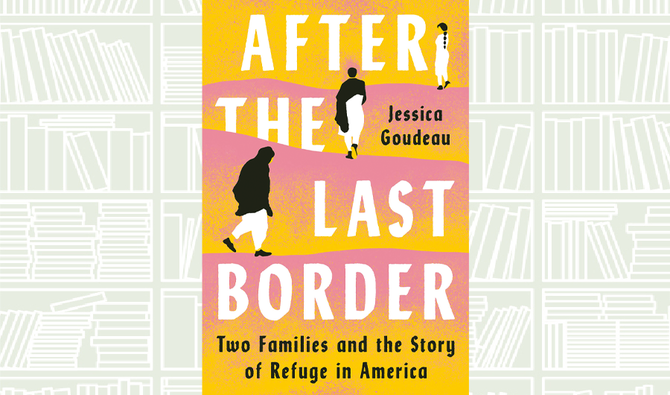
After the Last Border — written by Jessica Goudreau — is an intimate look at the lives of two women as they struggle for the 21st century American dream, having won the “golden ticket” to settle as refugees in Austin, Texas.

The book casts a light on the history of the refugee relocation process, and how it has changed throughout the 20th and 21st centuries.

The writer “tracks the human impacts of America’s evershifting refugee policy as both women narrowly escape from their home countries and begin the arduous but lifesaving process of resettling in Austin — a city that would show them the best and worst of what America has to offer,” said a review in goodreads.com.

“These women are so empowering. Their stories can give others a lot of inspiration,” it added.

After the Last Border “offers a crash course in how shifts in public attitudes and, in turn, US policy have helped and hindered people desperate to escape the poverty or violence in their homelands,” Mimi Swartz said in a review for The New York Times.


What We Are Reading Today: Can College Level the Playing Field? 

Updated 13 March 2026
Follow

What We Are Reading Today: Can College Level the Playing Field? 

Authors: Sandy Baum and Michael McPherson

We often think that a college degree will open doors to opportunity regardless of one’s background or upbringing. In this eye-opening book, two of today’s leading economists argue that higher education alone cannot overcome the lasting effects of inequality that continue to plague us, and offer sensible solutions for building a more just and equitable society.

Sandy Baum and Michael McPherson document the starkly different educational and social environments in which children of different races and economic backgrounds grow up, and explain why social equity requires sustained efforts to provide the broadest possible access to high-quality early childhood and K–12 education. 

They dismiss panaceas like eliminating college tuition and replacing the classroom experience with online education.