

Saudi anti-extremism initiative leads the world, says UN expert

1 / 5
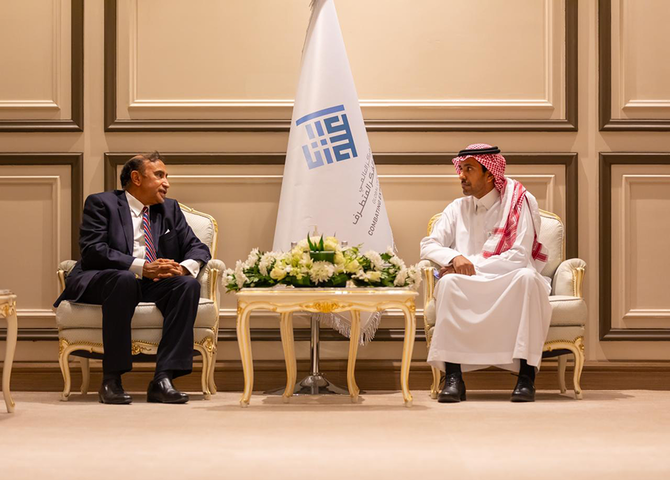
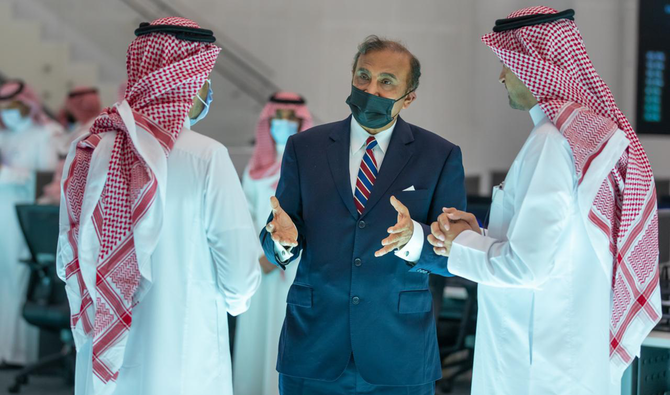
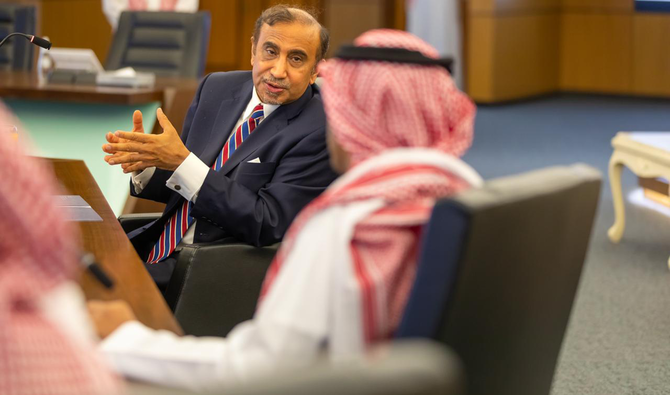
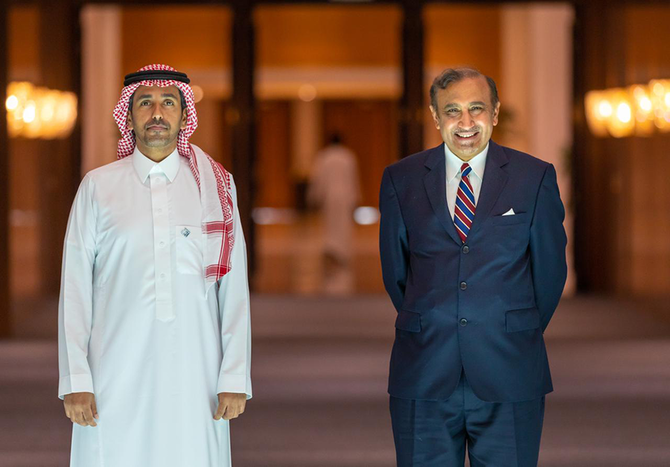
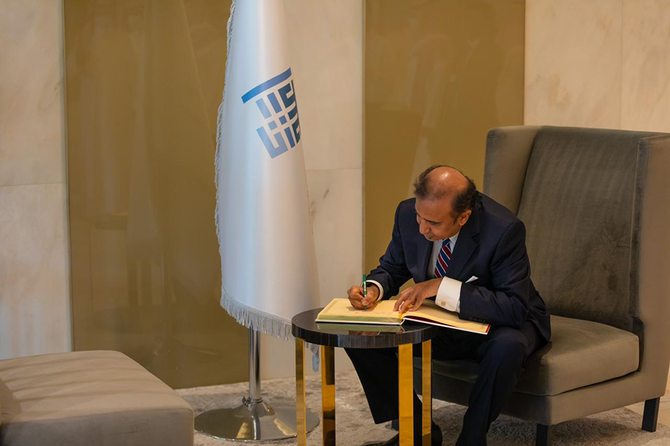
Saudi Arabia’s Global Center for Combating Extremist Ideology (Etidal) is a “world leader” in pioneering work to prevent and counter violent extremism, according to director of the UN Center for Counter-Terrorism. (Supplied)
2 / 5
Saudi Arabia’s Global Center for Combating Extremist Ideology (Etidal) is a “world leader” in pioneering work to prevent and counter violent extremism, according to director of the UN Center for Counter-Terrorism. (Supplied)
3 / 5
Saudi Arabia’s Global Center for Combating Extremist Ideology (Etidal) is a “world leader” in pioneering work to prevent and counter violent extremism, according to director of the UN Center for Counter-Terrorism. (Supplied)
4 / 5
Saudi Arabia’s Global Center for Combating Extremist Ideology (Etidal) is a “world leader” in pioneering work to prevent and counter violent extremism, according to director of the UN Center for Counter-Terrorism. (Supplied)
5 / 5
Saudi Arabia’s Global Center for Combating Extremist Ideology (Etidal) is a “world leader” in pioneering work to prevent and counter violent extremism, according to director of the UN Center for Counter-Terrorism. (Supplied)
Short Url
Updated 04 August 2021
Follow

Saudi anti-extremism initiative leads the world, says UN expert

  • Head of UN Center for Counter-Terrorism ‘impressed by the pioneering research work’ carried out by Kingdom’s Global Center for Combating Extremist Ideology
  • Center’s Gether2 initiative, which aims to raise awareness of the risks of extremism among people with hearing disabilities, singled out for particular praise

JEDDAH: Saudi Arabia’s Global Center for Combating Extremist Ideology (Etidal) is a “world leader” in pioneering work to prevent and counter violent extremism, according to Jehangir Khan, director of the UN Center for Counter-Terrorism (UNCCT).

“Etidal is a world leader in this field and we are proud of it,” he said during a visit by a UNCCT delegation to Etidal’s headquarters in Riyadh on Tuesday. “We are very pleased … to be able to work closely with the center.

“We are impressed by the pioneering research work you are doing in this field. We have to follow your example on matters in which we need to cooperate.”

Khan in particular highlighted Eitdal’s Gether2 initiative, which aims to raise awareness among people with hearing disabilities of the risks of extremism, saying he had never seen any other initiatives designed to reach people with disabilities in this way.

“I congratulate you on this project and we would like to know more about it,” he said. “As you know, we in the United Nations have specific agencies that deal with matters of concern to people with disabilities from a humanitarian side only, unlike your side, where I think we should see the whole picture.”

The UN delegation was welcomed to the center by Etidal’s secretary-general, Mansour Al-Shammari. During the visit the two sides discussed ways to enhance cooperation in their efforts to prevent and combat terrorism and violent extremism.

The delegation also learned about the center’s monitoring and analysis mechanisms, the techniques it use and the models it is creating and developing, as well as the most prominent advanced technologies in the field.


Saudi Arabia assessing global labor policies at GLMC, says deputy minister

Updated 4 sec ago
Follow

Saudi Arabia assessing global labor policies at GLMC, says deputy minister

  • Ahmed Al-Sharqi: We look at the topics, we assess the experience, and we assess the outcome of each GLMC edition
  • Al-Sharqi: We have over 40 ministers of labor participating in this year’s conference, so that facilitates the spread of knowledge

RIYADH: As the Global Labor Market Conference drew to a close in Riyadh, Saudi labor officials said they were assessing policies across global labor markets, using those findings to reform priorities.

Speaking to Arab News on the sidelines of the conference, Ahmed Al-Sharqi, deputy minister of labor affairs at the Ministry of Human Resources and Social Development, said: “We look at the topics, we assess the experience, and we assess the outcome of each GLMC edition, and based on that, we tailor the next topics and the topics that still are very relevant in today’s time and world.”

Al-Sharqi described the process as one of incremental development and knowledge-building.

One initiative hosted at the conference was the policy hackathon titled “The First Job Guarantee,” in which experts discussed ways to tackle the transition from education to employment.

This year’s conference addressed trade shifts, informal economies, the evolving global skills landscape, the impact of artificial intelligence on jobs and productivity, and building more resilient labor markets, with a focus on youth.

“We have over 40 ministers of labor participating in this year’s conference, so that facilitates the spread of knowledge, and the exchange of effective experiences, in matters related to workforce and their adoption (of) AI, and other labor market dynamics,” Al-Sharqi said.

One of the conference’s main objectives is to equip policymakers with vetted, implementable policy frameworks, the deputy minister added.

“I believe one of the most important outcomes of this conference is for the policymakers to have practicable policies that are effective, and ways of implementing these policies in their respective labor markets,” he said.

He added that this year’s edition also marked the graduation of the first cohort of the Global Labor Market Academy, part of broader efforts to strengthen capacity-building for policymakers, develop specialized labor-market expertise and expand international knowledge exchange. A second cohort was launched this year.

On local workforce development, Al-Sharqi highlighted initiatives aimed at aligning skills with market demand, including sectoral skills councils and a training pledge under which private sector establishments commit to providing training opportunities for Saudi nationals.

He said these programs have generated hundreds of thousands of training opportunities across the private sector.

“When it comes to Saudis skilling and upskilling, all these initiatives aim directly at building a stronger Saudi workforce that can compete and meet the demands of the employing organizations,” Al-Sharqi said.