PARIS: Morocco has filed defamation claims against Amnesty International and a French NGO who claim its intelligence services used the Pegasus mobile phone spyware against dozens of French journalists, lawyers for the government said Thursday.
Paris prosecutors opened their own inquiry this week into the claims by Amnesty and the French media nonprofit Forbidden Stories, revealed by media outlets including The Washington Post and French daily Le Monde.
They are based on a leaked list of 50,000 phone numbers allegedly targeted by the Pegasus cellphone surveillance program from Israel’s NSO Group.
“The Moroccan state... wants all possible light cast on these false allegations from these two organizations, who make claims without any concrete or demonstrative evidence whatsoever,” the lawyer, Olivier Baratelli, said in a statement.
A first hearing is set for October 8 in Paris, though a trial might not open for another two years.
Moroccan King Mohammed VI’s phone and those of other royals are also on the list of numbers identified as potential Pegasus targets by Moroccan intelligence services, Radio France reported Tuesday.
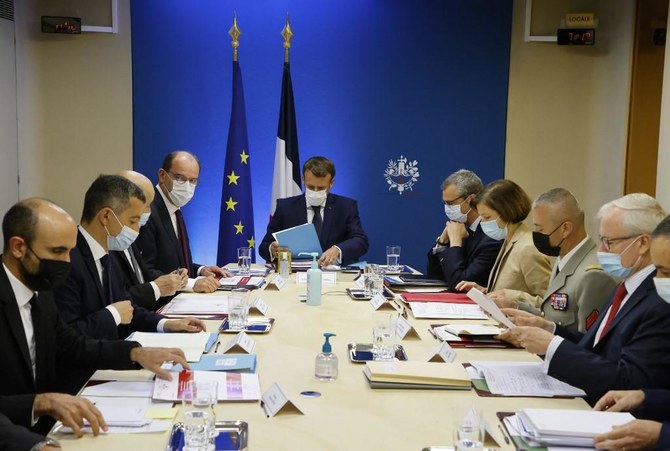
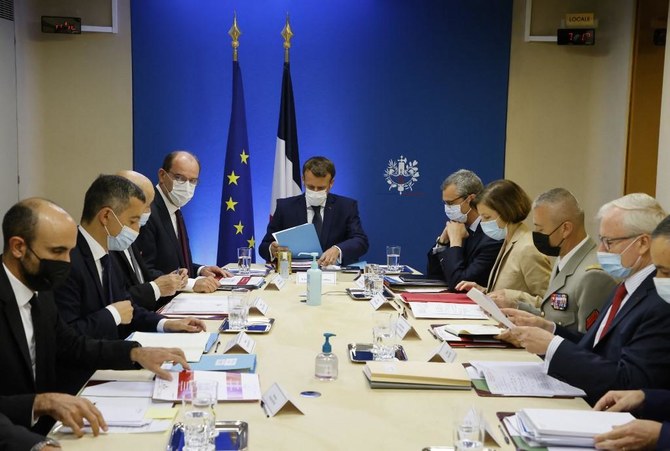
French President Emmanuel Macron called an urgent national security meeting Thursday to discuss the reports about Pegasus’ use in France.
Evidence of an attempted hacking was found on the phone of former environment minister and close Macron ally Francois de Rugy, with the attempt allegedly originating in Morocco.
Morocco has denied the claims, saying this week that it “never acquired computer software to infiltrate communication devices.”
Its government “does not intend to let the multiple lies and fake news spread these past few days go unpunished,” Baratelli said.


![]()
Morocco files French libel suit over Pegasus spyware claim
Short Url
https://arab.news/read9
Morocco files French libel suit over Pegasus spyware claim
- Morocco has filed defamation claims against Amnesty International and a French NGO over Pegasus mobile phone spyware claim
- Moroccan King Mohammed VI’s phone and those of other royals are also on the list of numbers identified as potential Pegasus targets


Latest updates




© 2026 SAUDI RESEARCH & PUBLISHING COMPANY, All Rights Reserved And subject to Terms of Use Agreement.