ABU DHABI: Almost all 10 to 19-year-olds in the Gaza Strip are exhibiting symptoms of post-traumatic stress disorder (PTSD) due to their exposure to security threats and violence, according to clinical psychologist Dr. Thoraiya Kanafani.
And a 2020 Arab youth survey found that nearly a third of all young people living in 15 countries in the region know at least one person suffering some form of mental illness.
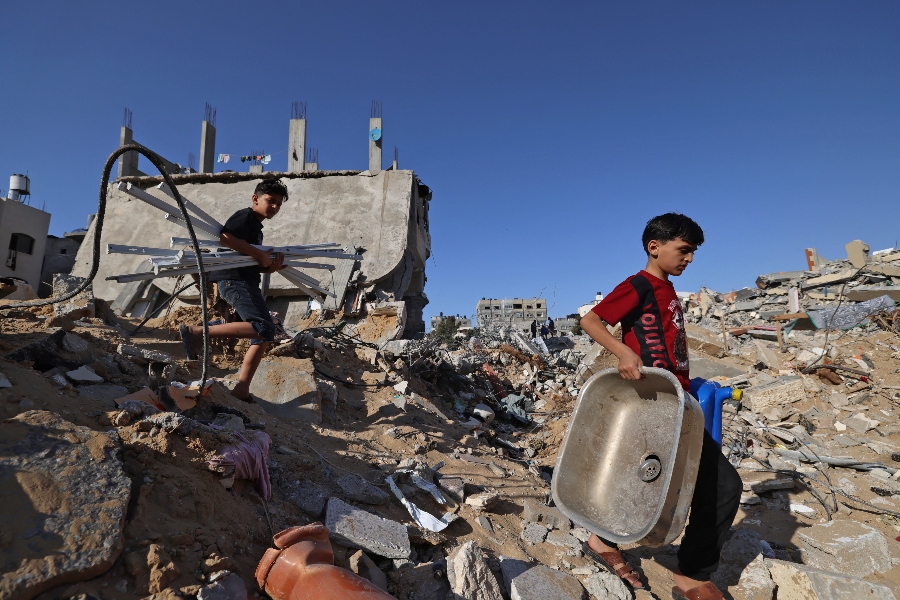
Palestinian children carry household items they recovered from the rubble of a building, destroyed by Israeli strikes, in Beit Hanun in the northern Gaza Strip on May 21, 2021. (File/AFP)
Kanafani told Arab News that studies show high incidences of depression in Tunisia, Palestine, Jordan, Lebanon and Iraq.
In the Gaza Strip, 97.5 percent of 10 to 19-year-olds have PTSD, a mental health condition that results from experiencing or witnessing a traumatic event.
The Palestinian crisis and other major events in the Middle East have caused an increase in mental illness.
Almost 1 billion people worldwide live with a mental illness, but more than 75 percent of those with psychological disorders fail to receive treatment, according to a 2021 World Bank report.
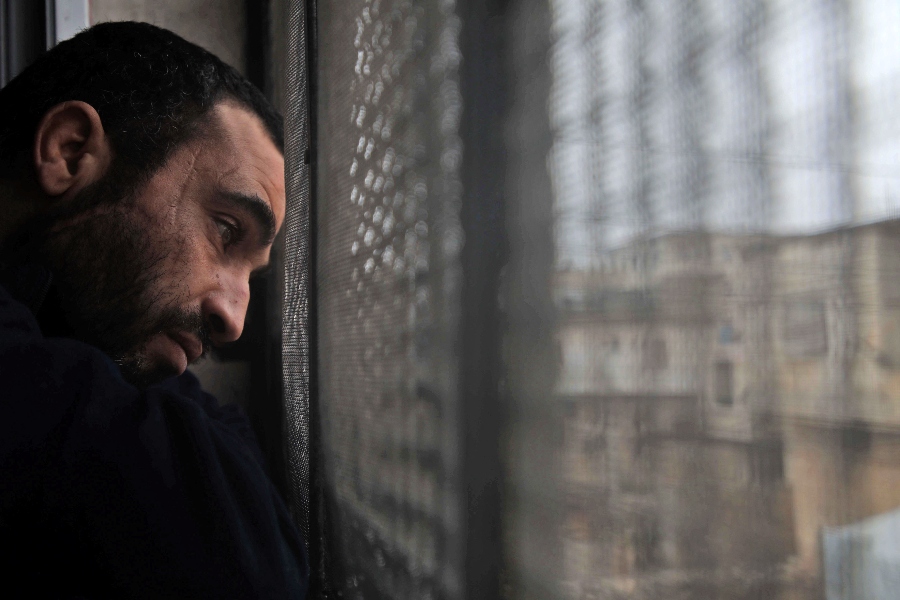
A Syrian man suffering from mental issues looks outside a window at al-Waalan special needs centre in northern town of Aldana near Syria's second largest city of Aleppo on February 14, 2019. (File/AFP)
“Every year, close to 3 million people die due to substance abuse. Every 40 seconds, a person dies by suicide. About 50 percent of mental health disorders start by the age of 14,” the organization said.
The World Health Organization (WHO) said in a 2019 report that one person in five (20 percent) living in a conflict zone is estimated to have depression, anxiety, PTSD, bipolar disorder or schizophrenia.
“Among people who have experienced war or other conflicts in the previous 10 years, one in 11 (9 percent) will have a moderate or severe mental disorder,” the WHO added.
In May, 11 Palestinian children, who were receiving trauma therapy, were killed in their homes by Israeli airstrikes.
Asked if seeking treatment while experiencing continued attacks in a conflict zone is still effective, Kanafani said: “Studies suggest that some type of intervention and treatment for children in war is effective to an extent, especially those that help children build coping skills.”
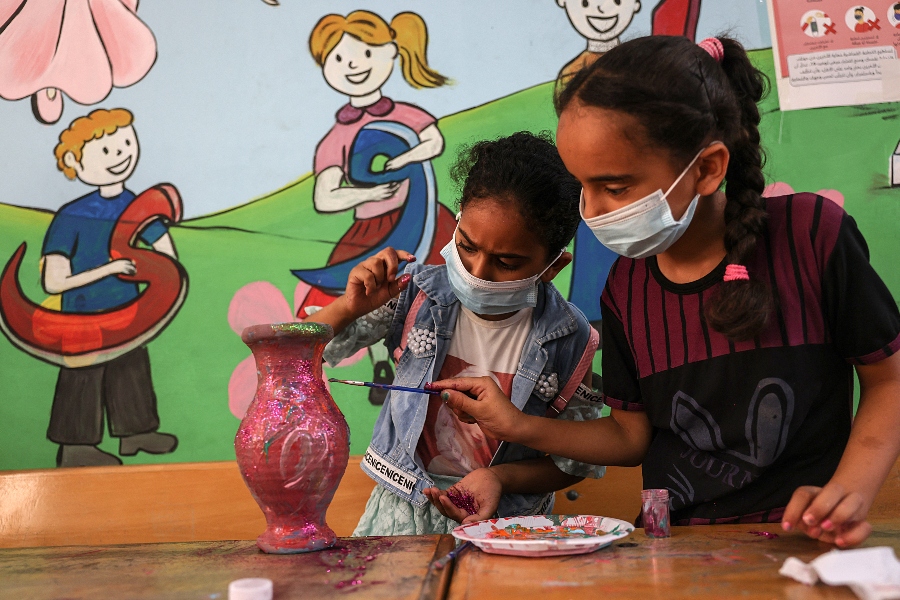
Palestinian children take part in a four-week summer activities programme organised by the United Nations Relief and Works Agency for Palestine Refugees (UNRWA) which include sports, games, music and crafts, in Rafah in the southern Gaza Strip, on July 08, 2021. (File/AFP)
She added that children living under continued attacks develop a constant fear of violence and suffer from long-lasting anxieties as well as physiological responses to stress. It is beneficial to support their existing coping strategies and educate them on other tools that may help, she said.
In Yemen, about one in five people suffers from mental illness due to the long-running conflict in the country, according to a 2017 study by the Family Counselling and Development Foundation.
“Mental health care remains scarce in Yemen. Mental illness is stigmatized, and the proportion of psychiatrists per population is insufficient. Some of the few existing mental health services have even closed as a result of the pandemic,” ReliefWeb, a humanitarian information service provided by the United Nations Office for the Coordination of Humanitarian Affairs, said in a statement.
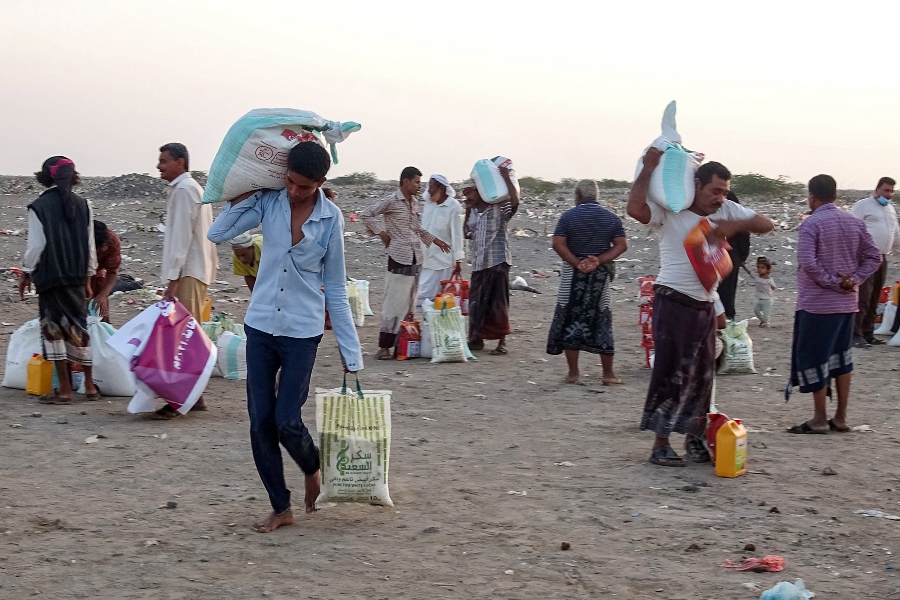
People displaced by conflict receive food aid in the Khokha district of Yemen's war-ravaged western province of Hodeida, on April 20, 2021. (File/AFP)
Yemen has the added difficulties of damaged infrastructure as a result of the civil war, Dr. Kirin Hilliar, assistant professor of psychology at Heriot-Watt University Dubai, told Arab News.
“Reports suggest that only 51 percent of all healthcare facilities in the country are fully functional,” she added. Hilliar further said there are limited mental health services — a stigma that is also evident in many countries in the region.
The Syrian crisis has led to about 207,000 civilian casualties since the beginning of the conflict in 2011. About 25,000 of these were children, according to a 2021 report by Statista.
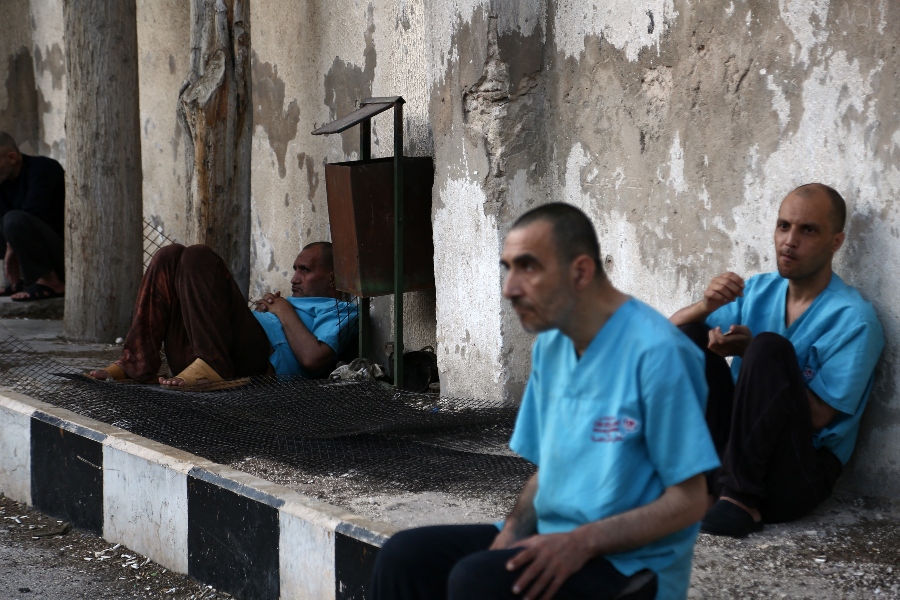
Syrian patients sit in a yard at a mental health clinic -- the sole such facility in the rebel-held north of Syria -- in the town of Azaz, near the border with Turkey, on July 6, 2017. (File/AFP)
Another 2017 report by the International Review of the Red Cross said over 2.4 million homes have been damaged, 67 percent of the industrial capacity has been destroyed, 45 percent of health centers are no longer functioning, and 30 percent of educational institutions have been demolished.
This has plunged 89 percent of Syrians into extreme poverty. This critical situation in the country has left those living through the crisis at high risk of psychological damage.
“In 2018, it was reported that only 80 psychiatrists were working in Syrian territories, and psychologists were not trained or licensed in the country. However, the WHO and other NGOs have helped in providing training to health professionals, so they feel more capable to provide psychiatric and psychological services to those in their communities,” Hilliar said.
Wars and extremist attacks in the region have affected not only those witnessing them, but also social media users who are being exposed to negative news every day.

In this file illustration photo taken on April 7, 2021, a smart phone screen displays the logo of Facebook on a Facebook website background, in Arlington, Virginia. (File/AFP)
Reports of killings, torture and bombings are taking over social media. Users might not even notice how much negative information they consume daily and the effects of that on their mental health.
Referring to Palestine, Kanafani said social media has been an important tool for spreading awareness about the truth of what is happening there.
“The negative consequence for many individuals who are viewing all the content is survivor’s guilt as well as emotional fatigue. Viewers who do not live in Palestine are experiencing strong feelings of helplessness, injustice and frustration. The consistent nature of these feelings may lead to emotional burnout,” she added.
Hilliar said that it can be hard for many people to read and watch details of negative events happening around the world. This type of content can make people feel helpless after witnessing the suffering of others, she added.
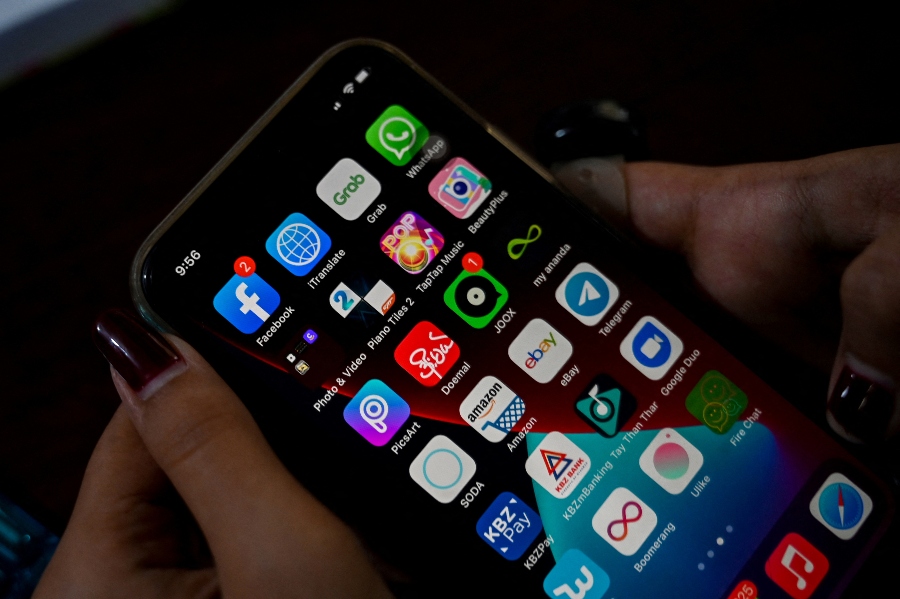
A woman uses her mobile phone to check Facebook and other mobile apps in Yangon on February 4,2021. (File/AFP)
A 2020 report by Cleveland Clinic, a US academic medical center, said that social media “doom scrolling” can cause negative thoughts and mindset which can affect a person’s mental health.
“Consuming negative news has been linked in research with greater fear, stress, anxiety and sadness,” the report said.
Kanafani said that the Middle East lacks mental health funding, resources and workforce, while stigmatization and lack of proper awareness also leaves people reluctant to seek treatment.
The highest number of psychiatrists in the region, according to Kanafani, are found in Qatar, Bahrain, Kuwait and Lebanon, with Saudi Arabia and the UAE following with less than five psychiatrists per 100,000 population.
“Positively, we are certainly seeing an increase in the provision of mental health facilities in the Middle East, though the rate of growth varies widely across different countries,” Hilliard said.
She added that the UAE, for example, is seeing an increase in mental health services.