



CHENNAI: “Wild Allies,” directed by wildlife filmmaker Robert Wedderburn, takes viewers behind the scenes as it explores the history-steeped sport of falconry and its workings in Saudi Arabia.
The documentary, which premiered on National Geographic, focuses on the 2020 King Abdul Aziz Falconry Festival, which featured more than 1,000 falconers from countries including Germany, Russia, Syria, Bahrain, UAE, Kuwait and the Kingdom.
Organized by the Saudi Falcons Club, the annual festival features multiple competitions, including Al-Mallouah race, Mazayin beauty competition and Future Falconers. A Hadad program also returns falcons to their natural habitat and protects wild populations.
Each section of the festival is explored in the documentary, giving outsiders an understanding of why this celebration of the falcon is so important in local culture.
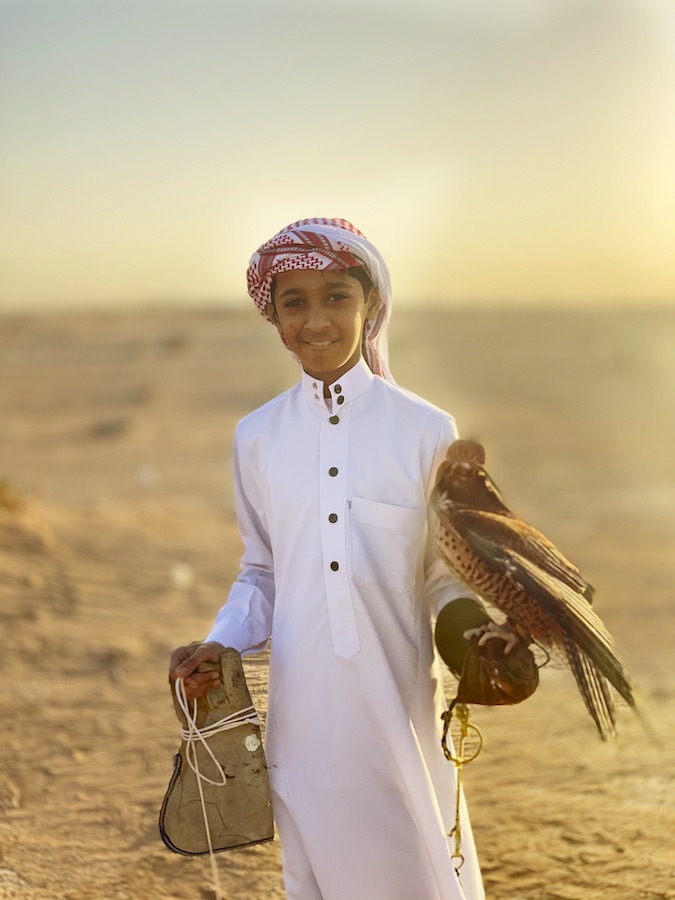
“Wild Allies” also shows how even children are encouraged to keep falcons as pets and train them to race. (Supplied)
Footage of the festival is as thrilling as it is graceful, with the large birds shown in slow-motion footage.
Striking images are backed up by a wealth of information on a pastime that is little understood in the West despite its 5,500-year history and a place on UNESCO’s Intangible Cultural Heritage list in 17 countries across three continents.
In the documentary, we learn that in ancient times men used these winged creatures to hunt for food. Over the centuries, racing rather than hunting became the mainstay, and Hussam Al-Huzaimi, CEO of the Saudi Falcons Club, explains that the shift from falcon hunting to racing is helping the environment.
“Wild Allies” also shows how even children are encouraged to keep falcons as pets and train them to race.
Falconer Daifallah Al-Enezi reveals that his nine-year-old daughter Shaihana has been given two birds that she is now nurturing. In fact, she was the youngest participant in the 2020 festival and began falconry when she was just five.
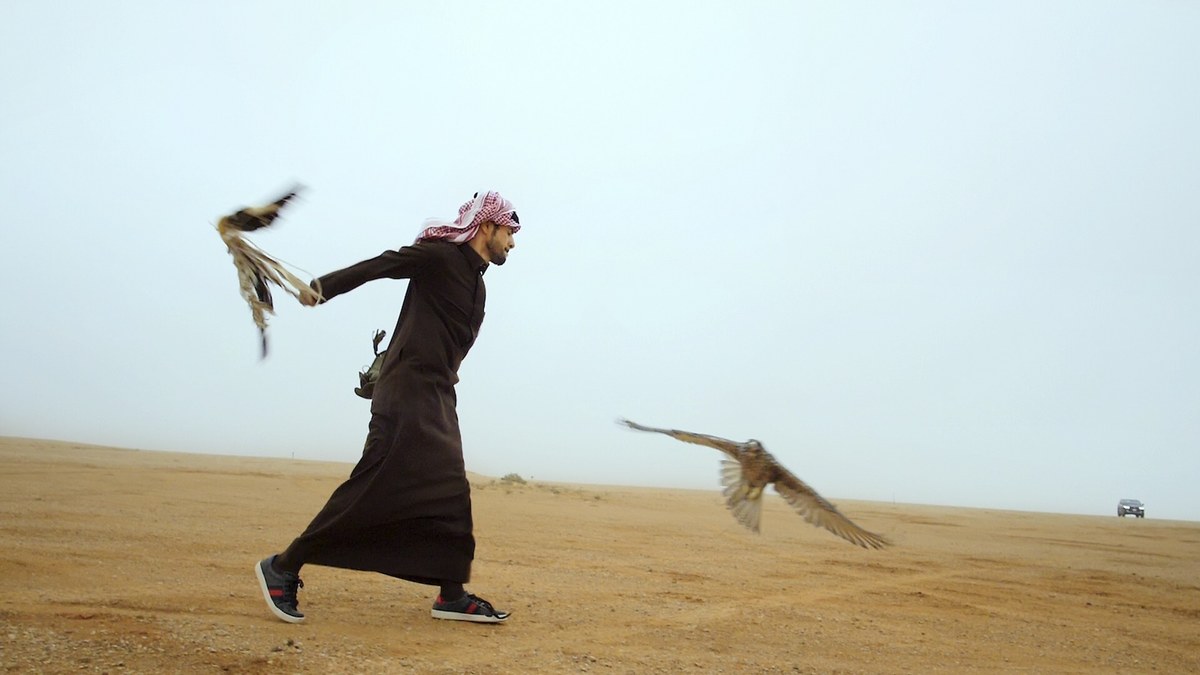
The documentary focuses on the 2020 King Abdul Aziz Falconry Festival. (Supplied)
This exploration of the bond between human and animal is one of the most interesting aspects of the documentary, allowing viewers to understand just what it takes to successfully raise a bird of prey.
Al-Huzaimi tells us that falconry is regulated by the Saudi Ministry of Environment, and reports of cruelty while training the birds or at other times are treated seriously, with offenders facing fines and even license cancelation.
Commenting on the documentary, he said: “This fascinating work will appeal not only to those interested in falconry, but also anyone with a love for wildlife or competitive sports. It’s a chance to follow the experiences and stories of several beautiful high-pedigree competition falcons, along with their proud owners and trainers, as they compete for the stage of their lives.”
Shot by James Oliver Reynolds, the film has unbelievable visuals — the sight of a falcon soaring high in the sky is both majestic and magical.


