

Red Sea Film Festival announces additional $4million in funding for Arab filmmakers

The new funding was announced at the Saudi Pavilion at the 74th edition of the Cannes Film Festival. (Arab News/ Ammar Abd Rabbo)
Short Url
Updated 14 July 2021
Follow

Red Sea Film Festival announces additional $4million in funding for Arab filmmakers

CANNES: The Red Sea Film Festival has announced that it will receive an additional $4 million for its Red Sea Fund from the Saudi Film Commission in order to support the creation of 40 new films from Saudi and Arab filmmakers.

The Red Sea Film Festival Foundation established the Red Sea Fund, now totaling $14 million, in early 2021 to produce 100 feature films and short projects as well as episodics with directors from the Arab World and Africa. The new funding, announced over the weekend at the Saudi Pavilion at the 74th edition of the Cannes Film Festival, will help empower a larger pool of filmmakers.
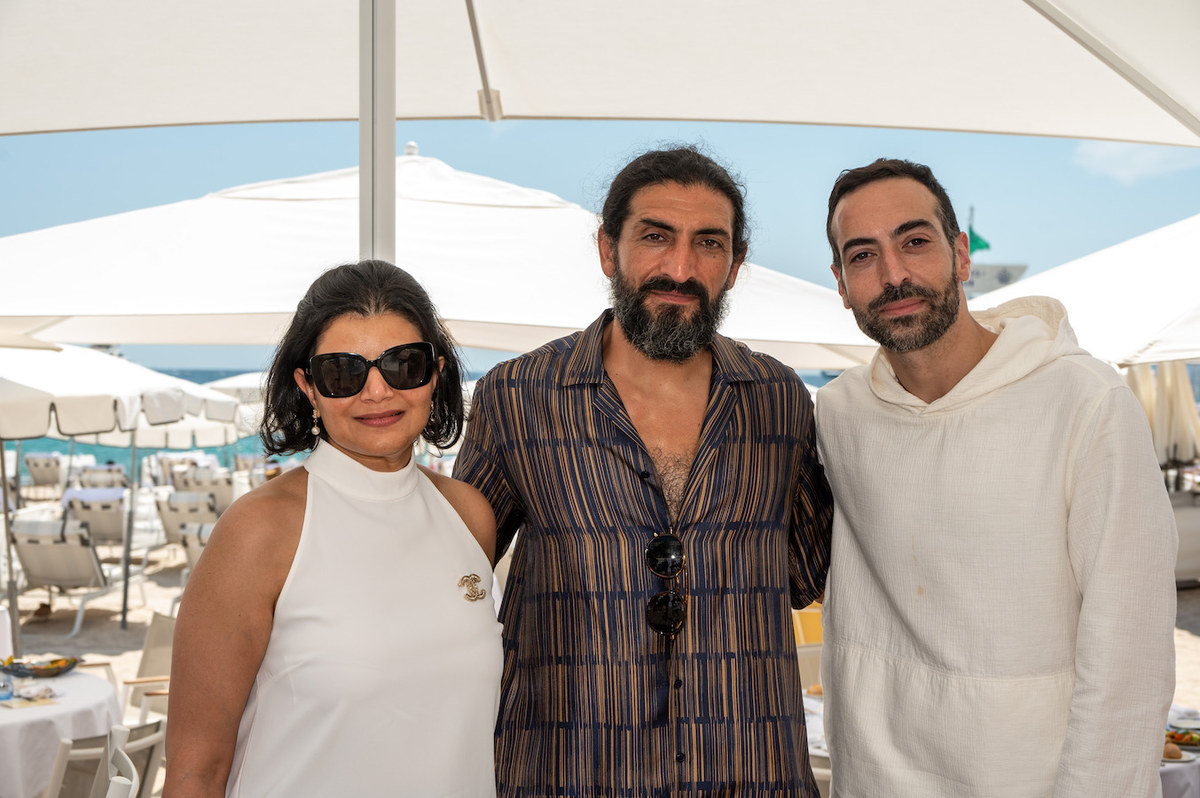


The new funding, announced over the weekend at the Saudi Pavilion at the 74th edition of the Cannes Film Festival, will help empower a larger pool of filmmakers. (Arab News/ Ammar Abd Rabbo)

 The fund will also be used to restore up to 10 classic films from the Arab region.

Three committees of industry professionals have been selected for each section of funding. Dora Bouchoucha, producer and founder of Nomadis Images and director of the Manarat Film Festival in Tunisia, will preside over the committee that will award development funding and will be joined by Viola Shafik, filmmaker and curator, Lamia Chraibi, producer and founder of La Prod, director and producer Amjad Abu Alala, and Ayman Jamal, founder and producer of Barajoun Entertainment.
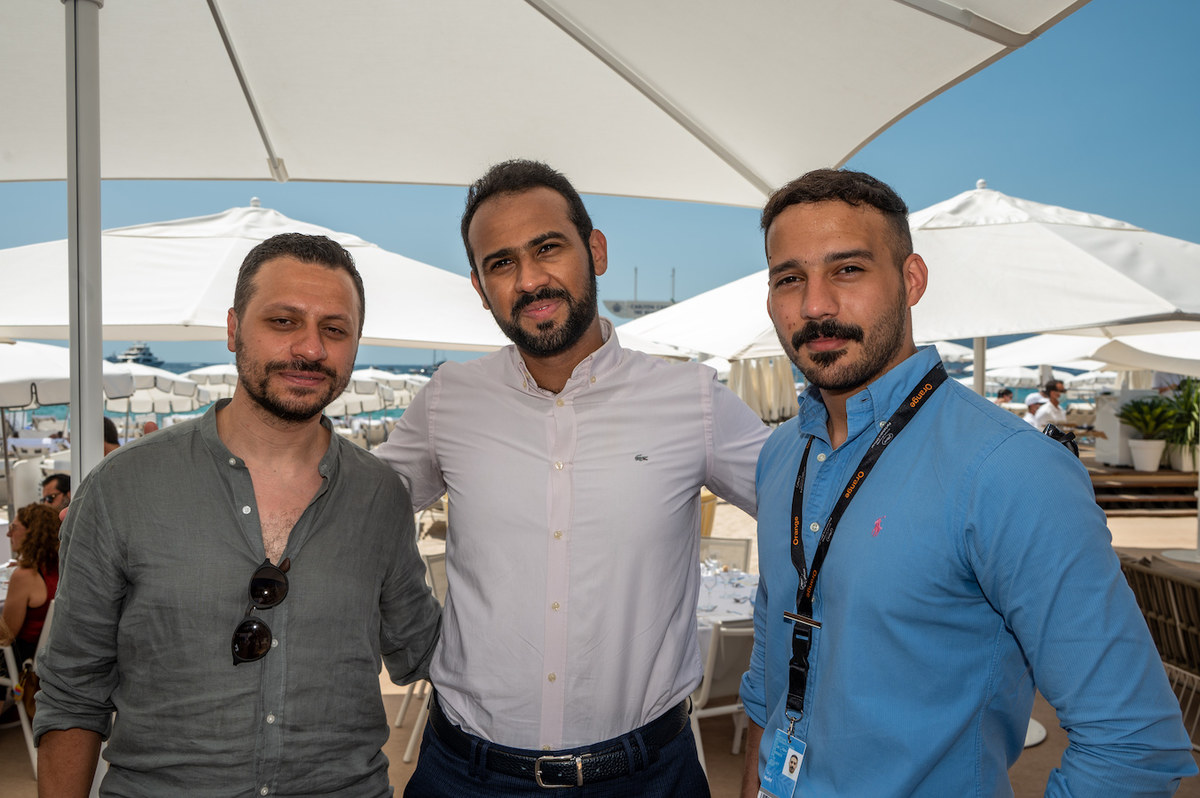


 The fund will also be used to restore up to 10 classic films from the Arab region. (Arab News/ Ammar Abd Rabbo)

Gianluca Chakra, distributor and founder of Front Row Filmed Entertainment will preside over the committee that will select projects for production funding, alongside producer Karim Aitouna, founder of Haut Les Main Productions, Faisal Baltuyoor, director, producer, and founder of Cinewaves Films, Ahmed Shawky, Middle East Head of Development of Viu and Deana A. Nassar-Fernandez, Program Director for the Middle East Media Initiative.
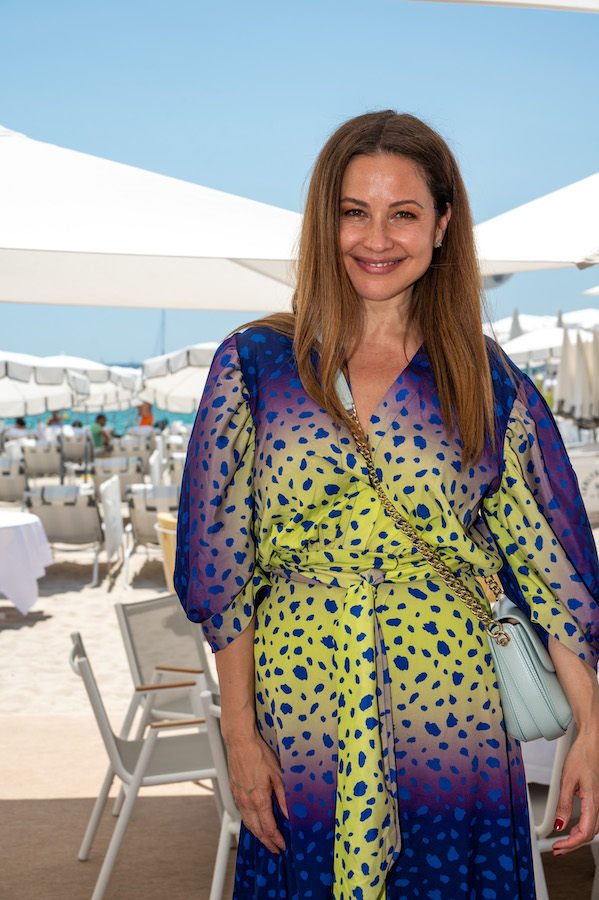


Raya Abirached is a Lebanese TV presenter. (Arab News/ Ammar Abd Rabbo)

The committees for the awarding funds for post-production will be headed by Edouard Waintrop, Artistic Director of the Red Sea International Film Festival, along with producer and film commissioner Georges David, Habib Attia, Producer and Managing Director of Cinetele Films, Chadi Abo, director, producer and founder of HECAT Studio and Ahmed Abdalla, director, screenwriter, editor, and photographer.

 Edouard Waintrop, Red Sea International Film Festival Artistic Director said: “To join the efforts of the Red Sea Fund with those of the Saudi Film Commission will open new opportunities for filmmakers of the region. It will make a possible substantial new investment to develop and produce short films, features, and documentaries and the restoration of up to 10 classic movies from the Arab world. The commitment will extend to supporting filmmakers working with virtual technologies and animations. A new breath will be given to a cinema in full revival; a sign of the metamorphosis of the cinema of the Arab World and Saudi Arabia.”


Saja Kilani shines at BAFTAs 2026

Updated 23 February 2026
Follow

Saja Kilani shines at BAFTAs 2026

DUBAI: Palestinian-Jordanian-Canadian actress Saja Kilani, one of the stars of “The Voice of Hind Rajab,” stepped onto the BAFTA Film Awards 2026 red carpet in a sculptural look from Bottega Veneta’s Spring 2026 collection.

Nominated for Best Film Not in the English Language, Kaouther Ben Hania’s “Voice of Hind Rajab” tells the story of Hind Rajab Hamada, who was fleeing the Israeli military in Gaza City with six relatives last year when their car came under fire.

The sole survivor of the Israeli attack, who was then shot and killed, her desperate calls recorded with the Red Crescent rescue service caused international outrage.

Kilani plays Rana Faqih, the real-life Palestine Red Crescent Society volunteer who spoke to Hamada in the final hours of her life as she waited, surrounded by the bodies of her family, for help to come. 

Meanwhile, politically charged thriller “One Battle After Another” won six prizes, including Best Picture, at the British Academy Film Awards on Sunday, building momentum ahead of Hollywood’s Academy Awards next month.

Blues-steeped vampire epic “Sinners” and gothic horror story “Frankenstein” won three awards each, while Shakespearean family tragedy “Hamnet” won two, including Best British Film.

“One Battle After Another,” Paul Thomas Anderson’s explosive film about a group of revolutionaries in chaotic conflict with the state, won awards for directing, adapted screenplay, cinematography and editing, as well as for Sean Penn’s supporting performance as an obsessed military officer.

“This is very overwhelming and wonderful,” Anderson said as he accepted the directing prize. He paid tribute to his longstanding assistant director, Adam Somner, who died of cancer in November 2024, a few weeks into production.

“We have a line from Nina Simone that we used in our film, ‘I know what freedom is: It’s no fear,’” the director said. “Let’s keep making things without fear. It’s a good idea.”

Bookies’ favorite Jessie Buckley won the Best Actress prize for her portrayal of grieving mother Agnes Hathaway, wife of William Shakespeare, in “Hamnet.” Buckley, 36, is the first Irish performer to win the Best Actress prize at the awards.

She dedicated her award “to the women past, present and future who taught me and continue to teach me how to do it differently.”

Horror film “Sinners” took home trophies for director Ryan Coogler’s original screenplay, the film’s musical score and for Wunmi Mosaku’s supporting actress performance as herbalist and healer Annie.

The British-Nigerian actor said that in the role she found “a part of my hopes, my ancestral power and my connection, parts I thought I had lost or tried to dim as an immigrant trying to fit in.”