



JEDDAH: The Saudi Art Council has launched its eighth edition of the 21,39 Jeddah Arts exhibition, taking visitors on a new interstellar adventure into “The Secrets of Alidades.”
The new 21,39 exhibition — referring to the coordinates of Jeddah — opened to the public on Thursday.
Curated by French academic Fabien Danesi, a doctor of philosophy in art history and university professor, “The Secrets of Alidades” alludes to the pointers found on astrolabes and other astronomical instruments that help us to observe distant objects and guide travellers.
An alidade or a turning board is a device used since ancient times to sight a distant object. It was also used by surveyors as a pointer to determine directions or measuring angles.
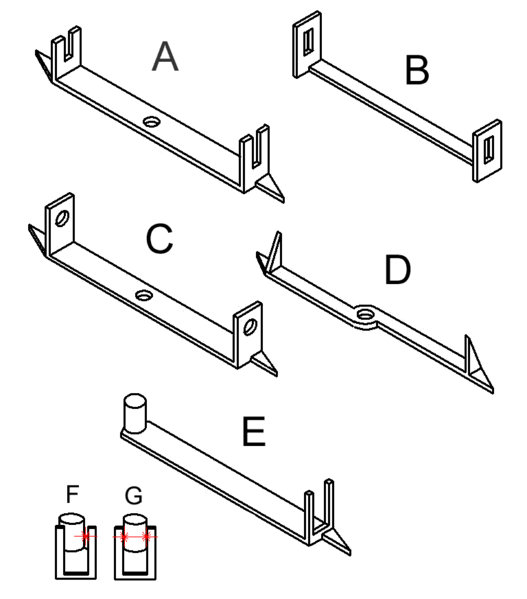
Drawing of several alidade types. (Wikimedia Commons/Michael Daly)
In the exhibit, the ancient alidades guide you through the 33 artworks across a journey that reveals a world of new dimensions and systems, earthly or otherwise.
Danesi’s exhibition reflects the spirit of sailors using the stars to guide their journeys across uncharted waters. Amid the travel-limiting era of the coronavirus pandemic, 21,39 invites you on a mental voyage through the artworks.
“This allegorical perspective means that the show attempts to produce a representation with the potentiality of a journey. Just as sailors used the stars to navigate the seas, artwork can help us drift in our cultural field with the contrary winds and ocean currents,” Danesi told Arab News in a previous interview.
The exhibit is showing artworks by a huge range of artists, including Qamar Abdulmalik, Sarah Abu Abdullah and Alia Ahmad to name just a few.
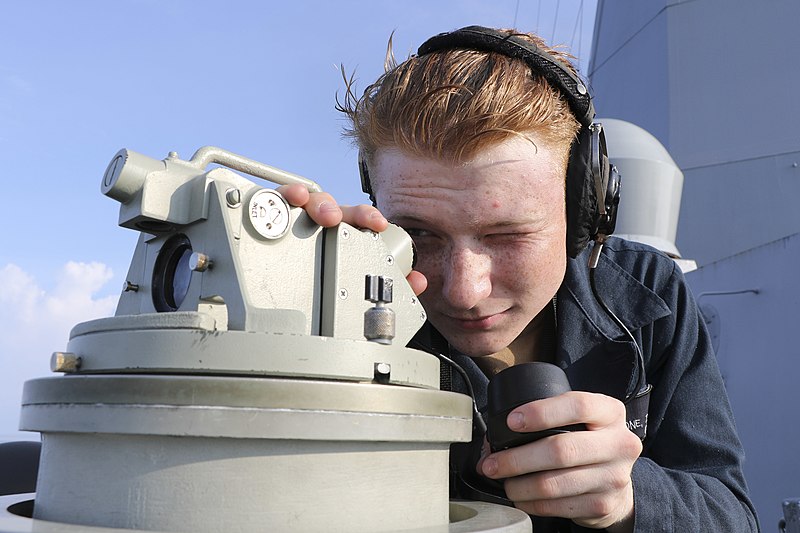
A US Navy sailor using a telescopic alidade. (Wikimedia Commons/Navy Petty Officer 2nd Class Anaid Banuelos Rodriguez)
“For this year’s exhibition, Fabian has drawn on his inspiration, interest and passion for the stars, the planets and everything else that forms part of our great expanse in light of the tragic pandemic that has changed our lives forever,” Nada Sheikh, director of the Saudi Arts Council, told Arab News.
The 21, 39 Jeddah Arts is a non-profit initiative organized by the Saudi Arts Council to highlight and maintain the city’s position at the forefront of Saudi Arabia’s contemporary art scene.
The 21, 39 Jeddah Arts is a pivotal opportunity for aspiring artists to engage in an internationally recognized platform that helps emerging artists to leap into professional work, Sheikh said.


