In valley in Pakistan’s north, an ancient stoneware art on brink of extinction

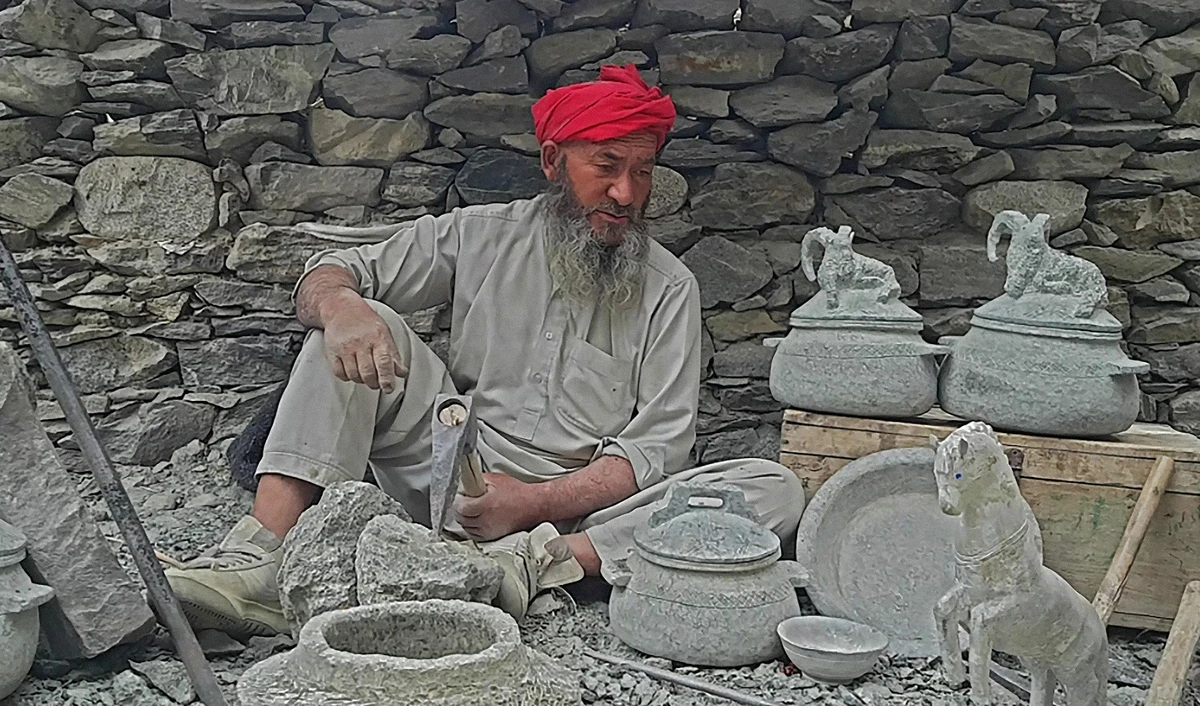
Artisan Ghulam Haider is seen at this workshop in Chorbat Valley, Gilgit-Baltistan, Pakistan, on June 23, 2021. (AN photo by Nisar Ali)
Short Url
Updated 06 July 2021
Follow

In valley in Pakistan’s north, an ancient stoneware art on brink of extinction

  • Only a few still practice the craft in Chorbat Valley, carving hard, granite-like stones known as “koro” into dinnerware
  • Most have learnt the technique from 71-year-old Ghulam Haider who historians say is the last stoneware master in Gilgit-Baltistan 

KHAPLU, GILGIT-BALTISTAN: Chorbat Valley, which stretches between the mountainous northern areas of Pakistan’s Gilgit-Baltistan and the mainly Buddhist Indian region of Ladakh, was once known as home to practitioners of an ancient art of stoneware that local historians say dates back to the Stone Ages.
Today, only a few people practice the craft in the valley, carving hard, granite-like stones known as “koro” into dinnerware. Most have learnt the technique from Ghulam Haider, a 71-year-old craftsman that many historians say is the last living master of the artform.
“I learnt these skills from my father.” Haider told Arab News. “When I started to work in my childhood, there were over 30 artisans in my village. Now, many have died, and many have left this work.”
It was a “very tough job,” Haider said, to find and cut the special stone from the valley’s mountains and then carve it into pots. But the technique had long been practiced in Gilgit-Baltistan, he said, where people preferred pots of stone over the more common pottery made from clay or mud that was found in other parts of Pakistan.
Yusuf Hussain Abadi, a historian of the Baltistan region and collector of traditional pottery, said Haider was the last stoneware master in the region.
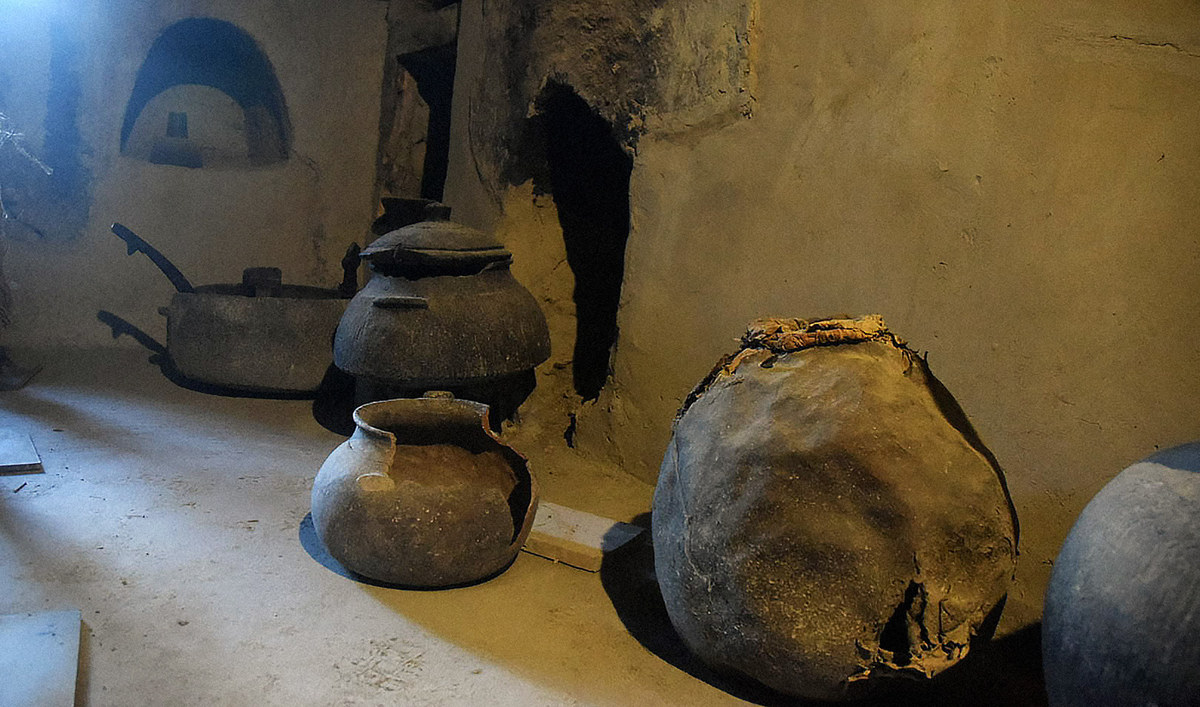


Stone pots on display in Ghanche district, Gilgit-Baltistan, Pakistan, July 1, 2021. (AN photo by Nisar Ali)

“According to my knowledge, Ghulam Haider is the only artist who is still associated with this profession in Gilgit-Baltistan. Earlier, one or two more people of Chorbat valley made stone items,” he said.
While little is known about the origin of the art, it is likely a continuation of a craft developed in the Stone Ages, Abadi said.
“We can’t say when the stoneware industry started, there is no history of this art in the written form,” the historian said. “It was the need of people to use stone pots and other utensils in the region before the discovery of bronze and metal.”
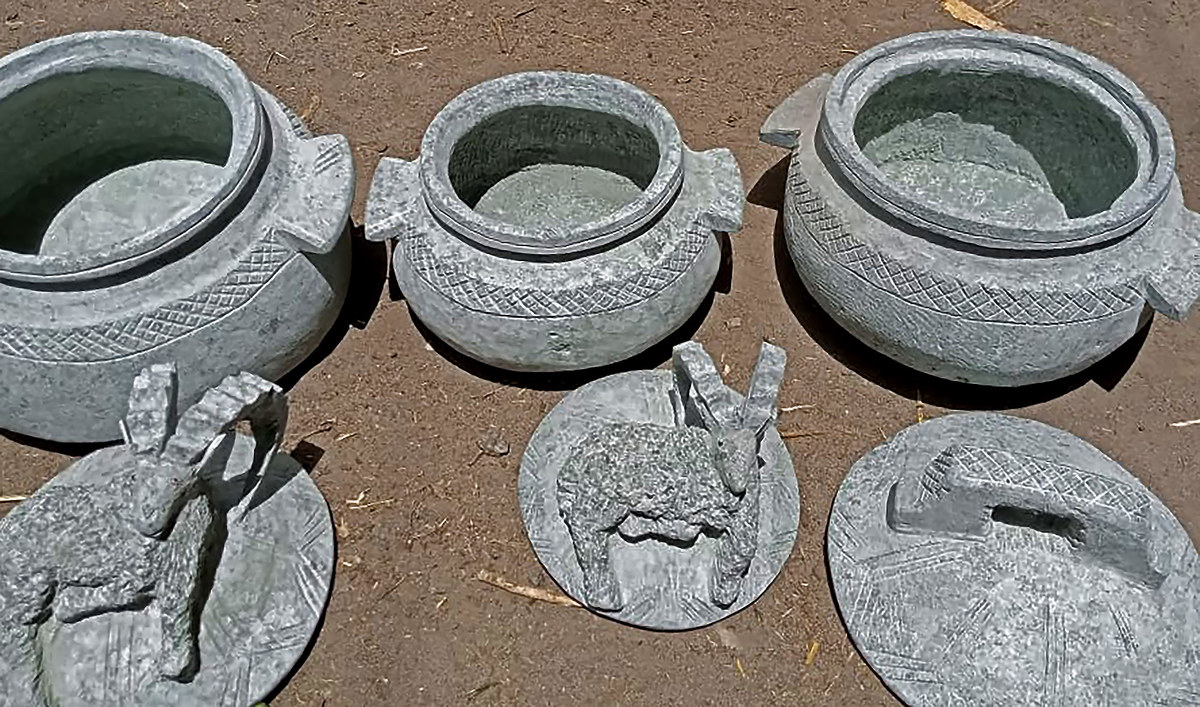


Stone pots on display in Ghanche district, Gilgit-Baltistan, Pakistan, July 1, 2021. (AN photo by Nisar Ali)

Though the pots, known as “gorkon” or “kwat” in the local Bali and Shina languages, have mostly disappeared from the region’s kitchens, some still use them as decorative items in their homes or prepare and serve food in them on special occasions like the Eid festivals.
“We make special dishes in these pots on special occasions,” Babar Ali, a resident of Gilgit-Baltistan’s Ghanche district, said.
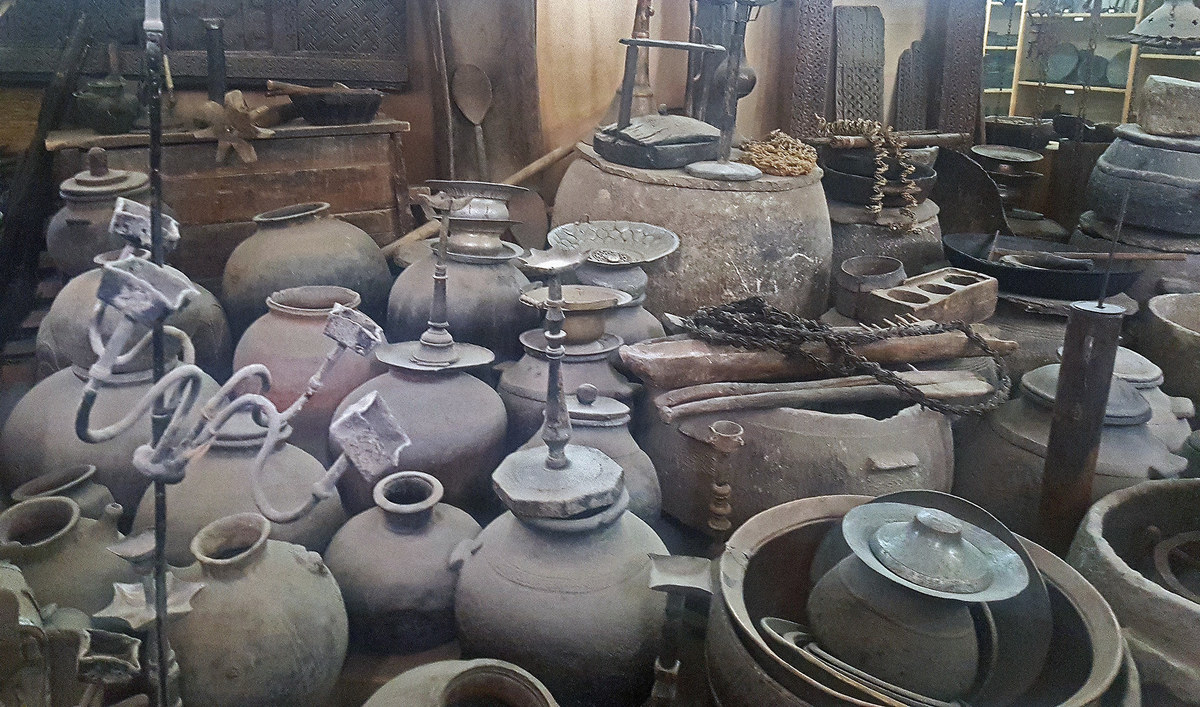


Stone pots on display in Ghanche district, Gilgit-Baltistan, Pakistan, July 1, 2021. (AN photo by Nisar Ali)

Food cooked in stone pots tasted much better, said hotelier Syed Israr Shah from Nagar district who is trying to revive the tradition at his guesthouse.
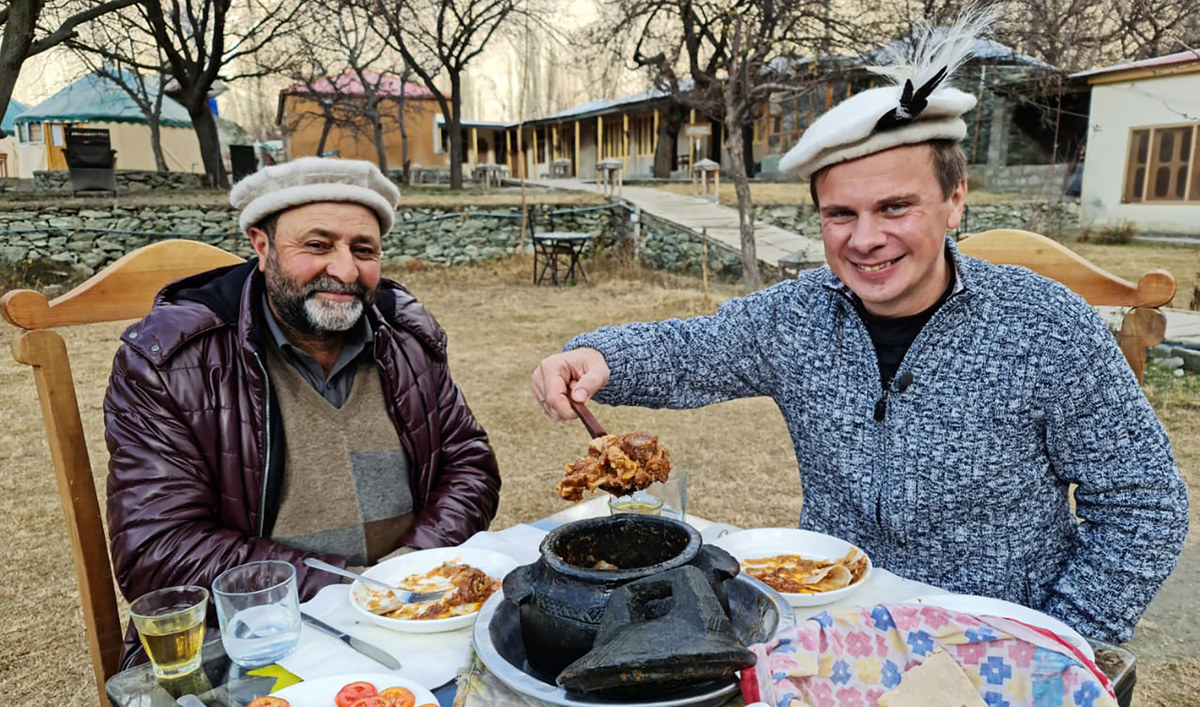


Tourists enjoy food cooked in stone pots at Syed Israr Shah's guesthouse in Nagar district, Gilgit-Baltistan, Pakistan. (Photo courtesy: Syed Israr Shah)

“We collected over two dozen stone pots from different old homes,” he told Arab News, saying mutton or biryani rice cooked in stoneware had a “much richer” flavor.
“Every guest now prefers dishes made in stone pots,” Shah said. “Foods cooked in stone-pots become tastier and remain hot for long hours.”
Pakistan to sell excess gas in international markets from Jan.1— petroleum minister

Updated 4 sec ago
Follow

Pakistan to sell excess gas in international markets from Jan.1— petroleum minister

  • Pakistan was reportedly exploring ways to reduce $378 million in annual losses from supply glut caused by excess fuel imports 
  • Move to sell excess LNG in international markets will limit $3.56 billion losses caused since 2018-19, says petroleum minister

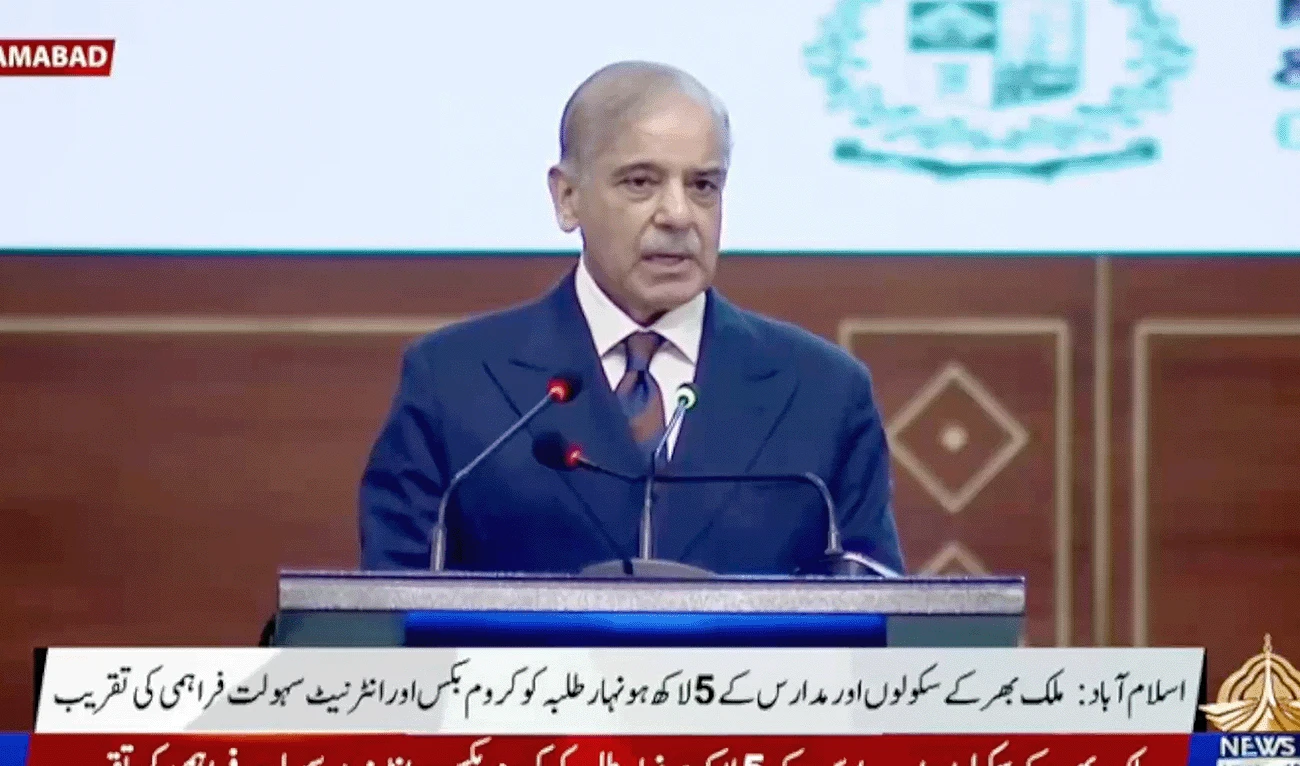
ISLAMABAD: Pakistan will sell its excess liquefied natural gas (LNG) in international markets from Jan. 1, Petroleum Minister Ali Pervaiz Malik said, revealing the move would limit losses caused from a years-long supply gut. 

Local and international media outlets had reported in July that Pakistan was exploring ways to sell excess LNG cargoes amid a gas supply glut that government officials said was costing domestic producers $378 million in annual losses. News reports had said Pakistan had at least three LNG cargoes in excess that it imported from Qatar and has no immediate use for.

Speaking to reporters during a press conference on Sunday, Malik said there was an excess of imported gas in Pakistan as the use of this fuel for power generation had reduced in the country during the past few months. He said Islamabad had been forced to sell the gas to local consumers, due to which the circular debt in the gas sector from 2018 till now had ballooned to around Rs1,000 billion [$3.56 billion]. 

“From Jan. 1 we will sell this excess fuel in international markets to reduce our burden and limit our losses of this Rs1,000 billion [$3.56 billion],” Malik said. 

He said this move would also allow Pakistan’s state-owned enterprises in the sector to operate on their full capacity and generate profits and employment. 

Malik also spoke of foreign oil companies that were ready to invest millions in the country in the near future. 

The minister cited the recent visit of Turkish energy minister to Pakistan which had resulted in the state-owned Turkish Petroleum signing deals to carry out onshore and offshore drilling activities in Pakistan. 

“Turkish Petroleum will also open its office in Islamabad, where 10 to 15 Turkish nationals will be working,” Malik said. 

He also said that a delegation of the State Oil Company of Azerbaijan Republic (SOCAR) visit Pakistan this week, adding that it was also expected to collaborate with local companies for oil and gas exploration.

The minister said SOCAR was also opening its office in Pakistan. 

“It will also invest millions of dollars in the construction of an oil pipeline from Machike to Thalian in collaboration with the PSO (Pakistan State Oil) and FWO (Frontier Works Organization),” Malik said.