



DUBAI: There is a garden that lies outside of time. It is where three portals, represented by plants, peer into the past, present and future of our world. This is the imaginary garden of Saudi artist Abdulmohsen Albinali created as an artwork during a three-month residency at the inaugural Masaha Art Space in Riyadh, formerly known as the King Faisal bin Fahad Arts Gallery, long revered as one of Riyadh’s most seminal spaces for contemporary art. For Albinali, the three plants serve as a means for discussing humanity’s relationship with the natural world through historical events, present cultural perceptions of the environment, and a science fiction understanding of the future.
“These green shelters, in their very conception and the marks they bear of human care and cultivation, undeniably stand as restorative, nourishing, and necessary havens where poetry, art, desires, love, and culture come to bloom and secrets come to eternally rest,” the artist told Arab News.
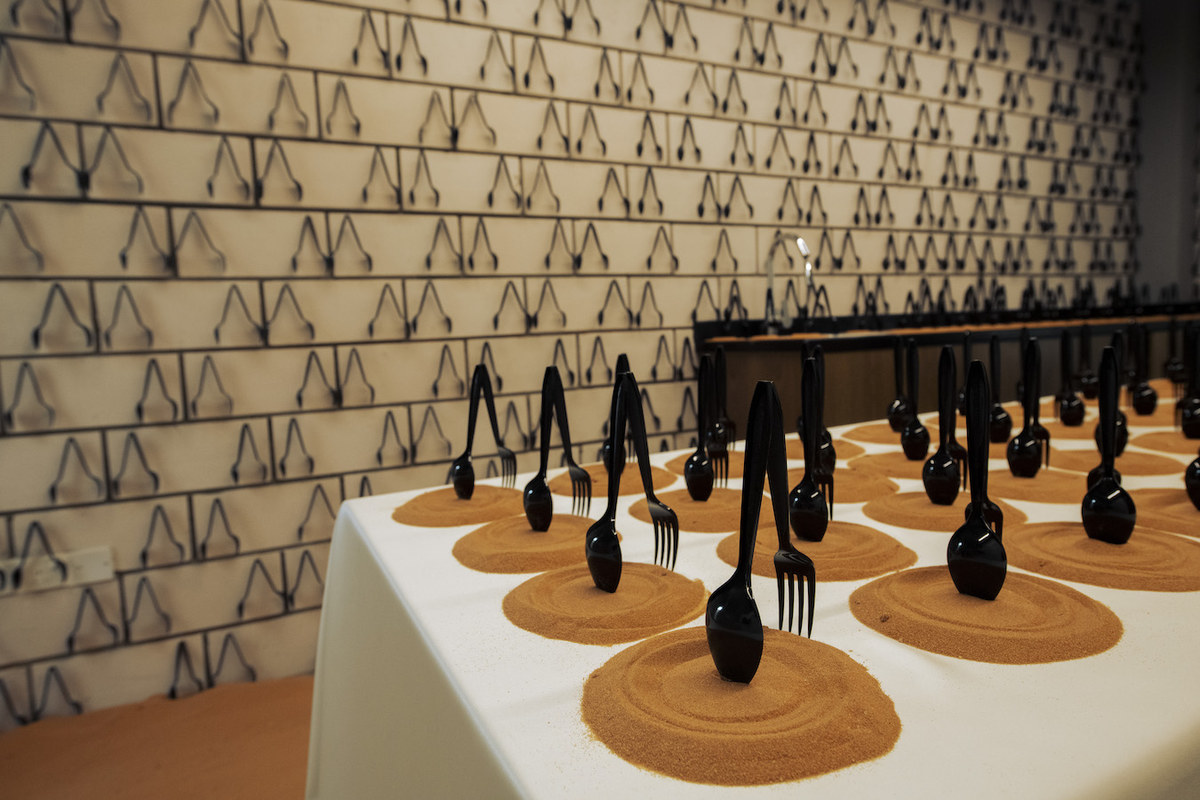
“Eat Sand, Don’t Eat You,” by Bashaer Hawsawi. (Supplied)
Albani is one of nine Saudi artists showing their work in “Blurring Lines: Art & the Creative Industries,” an exhibition presenting work by artists with a cross-disciplinary practice with a particular focus on the crossover between the visual arts and other creative industries such as design, film, music, fashion, and food. The exhibition explores how artists, creatives, and other non-arts related sectors, including health, can collaborate in creative ways.
Misk Art Institute designed the Masaha Residency as a way for artists to pursue new projects and ideas with the aid of dedicated mentors aiding artists through studio visits, workshops, seminars, networking opportunities, research, and regular masterclasses and critique sessions. The two guest mentors for this residency were Inti Guerrero, former curator at Tate Modern, artistic director of Bellas Artes Projects, and curator of the 2018 EVA International Biennale, and Maya El-Khalil, one of the region’s foremost independent curators who has championed Saudi Arabian art.
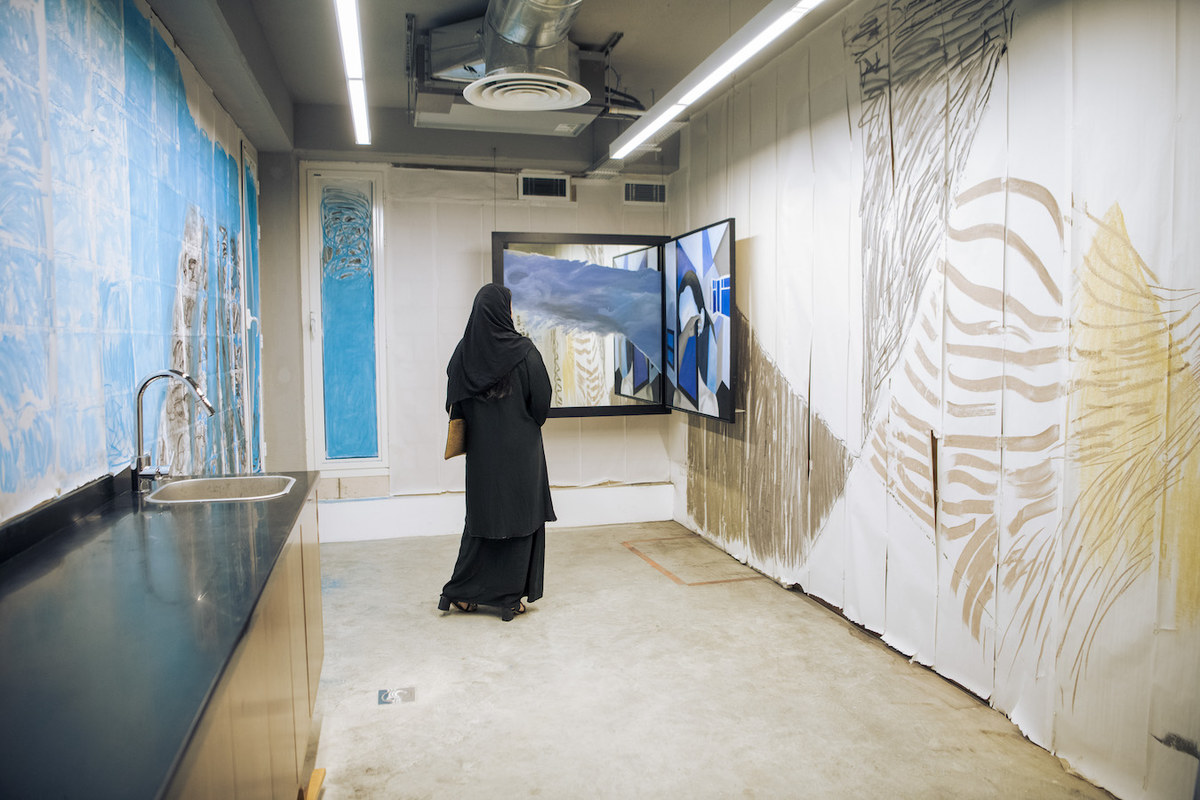
“Synesthesia” By Nujood AlOtaibi. (Supplied)
The Masaha residency was established by the Misk Art Institute, a new artist-centered cultural organization founded in 2017 and operating under the auspices of the Misk Foundation, established by Crown Prince Mohammed bin Salman. It is fully funded, includes travel, accommodation and production costs, and is hosted in 10 purpose-built studios. It is open to regional, national, and international artists with the sole purpose of creating art that engages with local communities with the aim of contributing to new global art practices and experiences.
“We believe that art residencies are important because they broaden an artist’s experience and inspire cultural exchange,” Reem Al-Sultan, CEO of Misk Art Institute, told Arab News. “Residencies encourage an artist to leave their comfort zone and push boundaries. In addition, residencies influence and expand an artist network within the field providing opportunities for exposure. What makes Masaha Residency unique is that we provide mentorship and critique sessions that aid an artists’ critical thinking and enhance their skill set.”
Selected through an open call, the nine artists were invited to develop new works with support from creative practitioners spanning various industries in during an intensive program of studio-based activities.
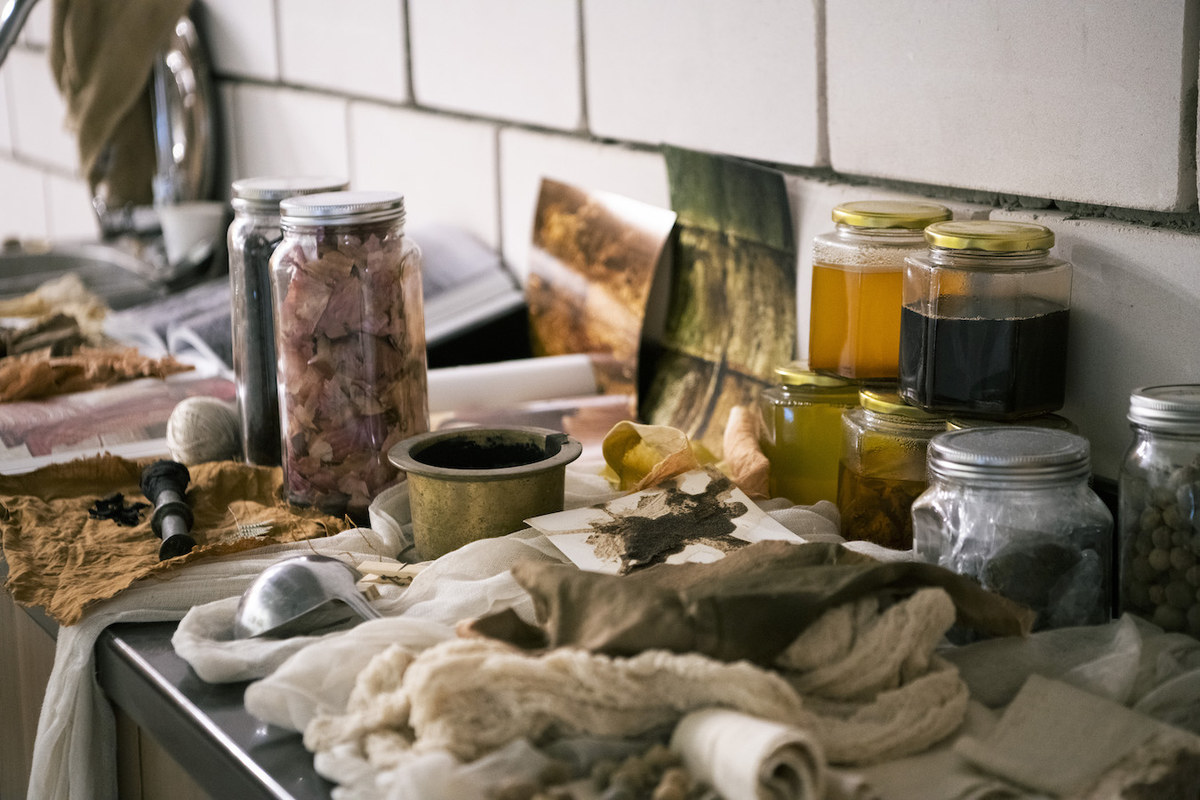
This is part of Sara Brahim’s work. (Supplied)
Many of the artists drew from traditional Saudi culture and symbolism, merging such references with digital technology and contemporary art practices.
Huda Al-Aithan, for example, created “Numinous Najd,” a work consisting of a 3D-printed pendant lighting fixture, a handmade lighting and clay sculpture and digital prints. The pieces borrows functional elements from Najdi architecture and re-interpret them into a contemporary lighting installation.
By designing playful and contemporary forms that borrow from the essence of Najdi architecture, Al-Aithan seeks to participate in the preservation of her local heritage.
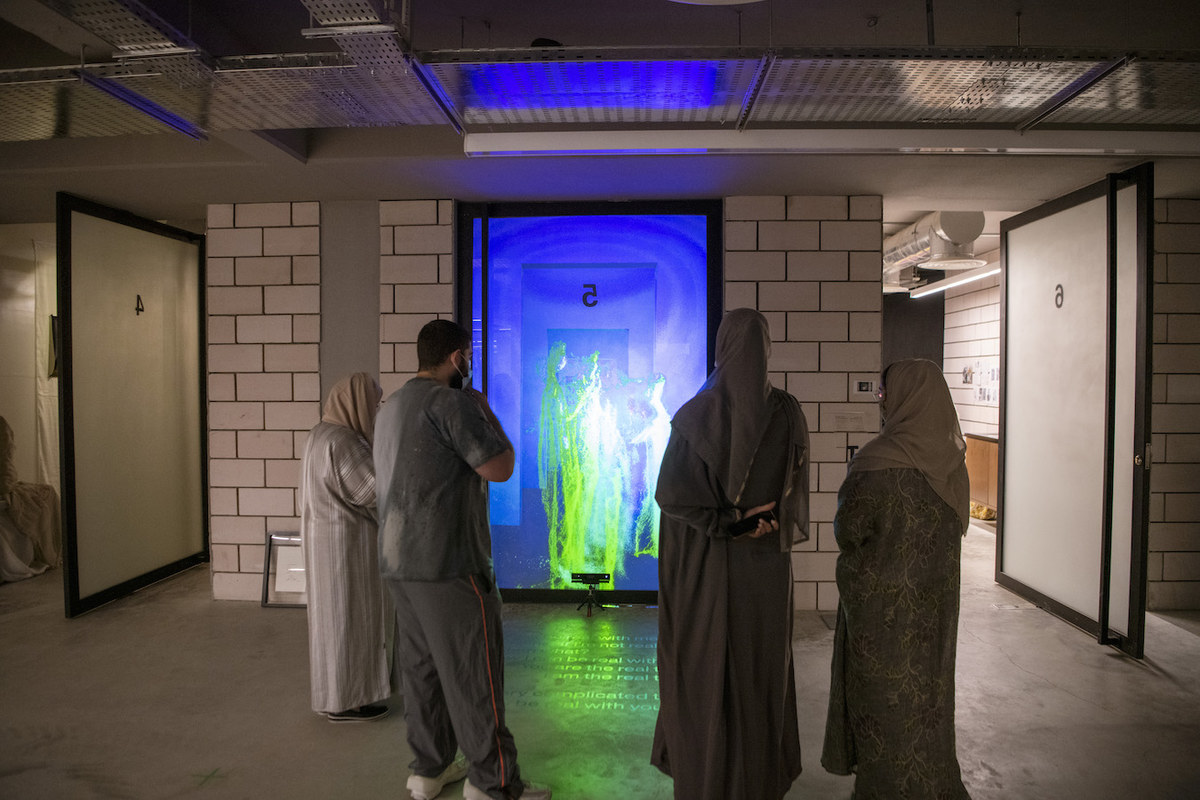
“Can you be real with me?” by Artur Weber. (Supplied)
The lighting fixture and sculpture serve as studies on architectural forms and light. “The installation creates a conversation between the past and the future in terms of materiality and essence,” explained the artist who also created futuristic digital prints in which to place the lighting fixture as a piece of architecture itself.
In similar nod to her native Saudi culture and Islamic faith, the work of Sara Khalid draws its inspiration from the traditional narratives of the Arabic language and Islamic methodologies in art and technology. Her work “Oral Platforms,” the third version of “HyperLink,” aims to bridge the gap between the distinct domains of cultural inclusivity and the status quo. It explores, like her contemporaries in the residency, the state of Saudi Arabia’s strong oral tradition and its surrounding aesthetics. In each new version of the work, Khalid aims to foster fresh perspectives on the nature of Arabic and Islamic language, culture—preserving elements from Saudi’s rich past while also innovating, just like the residency and exhibition demonstrate, through cross-disciplinary means.
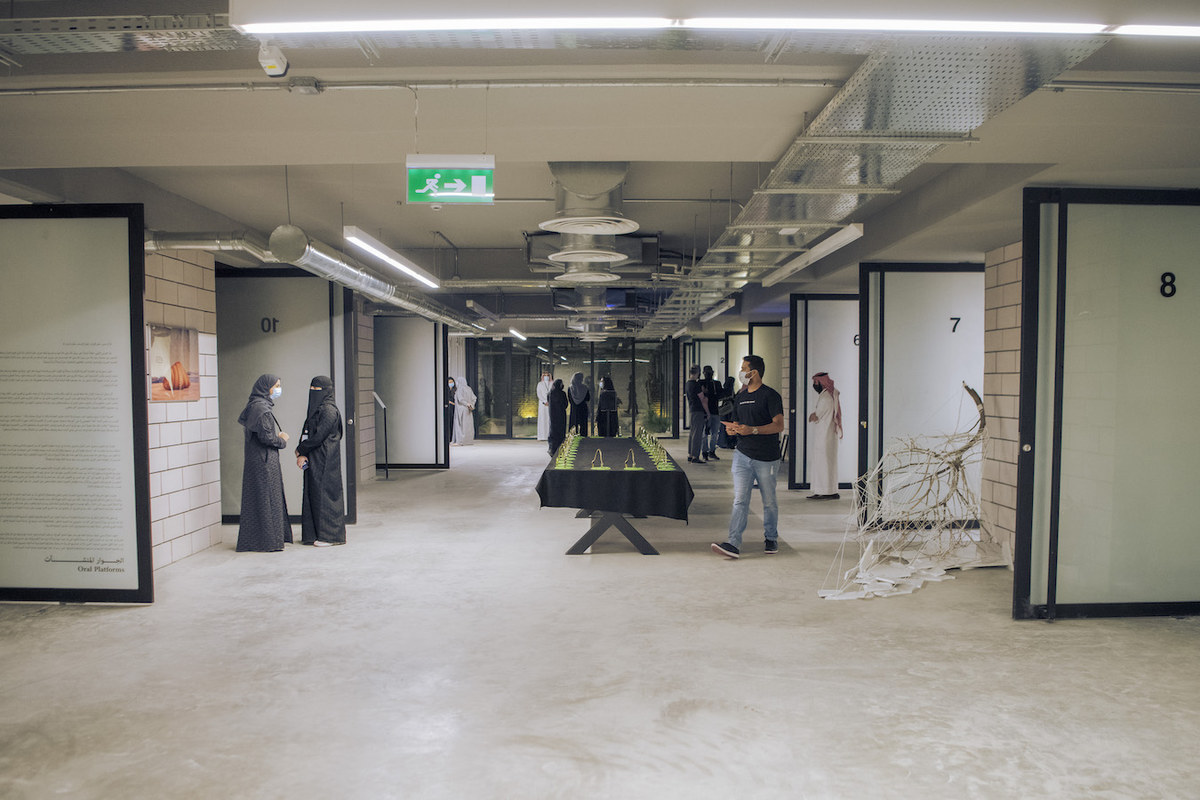
Misk Art Institute designed the Masaha Residency as a way for artists to pursue new projects and ideas. (Supplied)
The next cohort of “residents” will be welcomed during the Fall of 2021 and will feature nine artists-in-residence and one writer-in-residence working around the theme of “HOME- Being and belonging.”
“Blurring Lines: Art & the Creative Industries” runs at the Masaha Art Space until June 30.


