

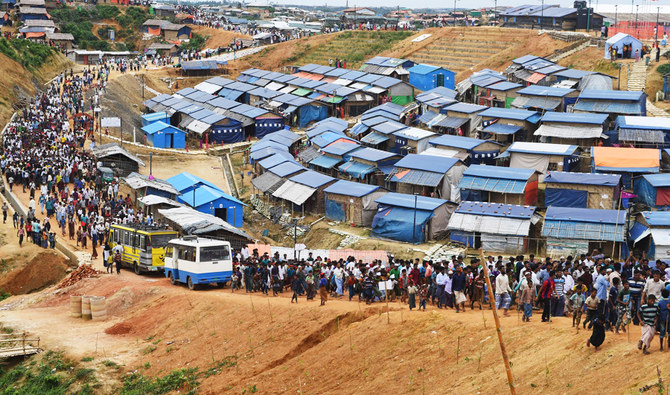

JEDDAH: The OIC Independent Permanent Human Rights Commission (IPHRC) has joined the international community in observing World Refugee Day 2021, calling on all states to enhance global cooperation toward achieving better protection of refugees’ rights across the world.
In light of the worrying trends of discrimination and xenophobia against refugees based on their sex, race, religion or origin, escalated by the COVID-19 pandemic; World Refugee Day is an occasion to build empathy for the plight of refugees and to recognize their resilience in rebuilding their lives. It is also an occasion to celebrate the strength and courage of all people who have been forced to flee their home countries to escape conflict or persecution and mobilize political will and resources to help them thrive.
With more than half of refugees, asylum seekers and displaced people located in OIC countries, the IPHRC commended OIC countries for providing sustained humanitarian support to refugees, in line with the divine injunctions and Islamic principles of compassion and solidarity.
In recent years, the growing, increasingly complex and relapsing conflicts, crises and humanitarian emergencies have led to an alarming increase in the global refugee movement with more than half of these being women and children. The IPHRC remains concerned about the denial and violations of human rights of displaced people living under foreign occupation and armed conflicts who endure brutality at the hands of occupation forces. The commission reiterated its solidarity with refugee and displaced populations and stressed the need for eliminating the root causes of conflicts, especially foreign occupations.
The IPHRC said that the causes of forced movement of migrants and refugees extended beyond conflicts and persecution to include extreme poverty, violence and exploitation, environmental degradation and natural disasters, as well as denial of fundamental human rights. To deal with these challenges, the commission urged all countries to cooperate in developing the best ways to strengthen national legislation and action plans to promote human rights-based policy formulation, with the involvement of all stakeholders, as well as to enhance international cooperation to deal with trans-border refugees in line with universal human rights standards.
The IPHRC expressed concern over the dwindling level of financial support allocated to humanitarian relief for refugees that deprived them of shelter, access to health care and education. The commission urged the international community, specifically donor countries/organizations, to allocate resources to support and assist refugee-hosting countries, in line with the principle of international solidarity, cooperation and equitable burden-sharing.


