First NFT digital Islamic art agency to launch in Middle East

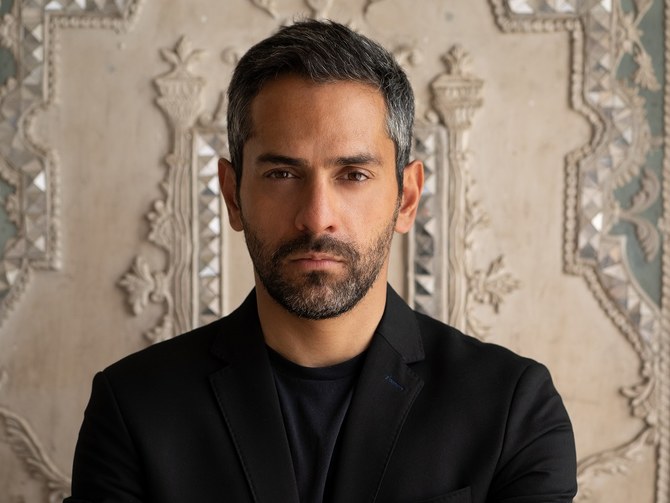
In 2016, Behnood Javaherpour, founder and creative director at Behnoode, launched the foundation. (Supplied)
Short Url
Updated 15 June 2021
Follow

First NFT digital Islamic art agency to launch in Middle East

  • A NFT is essentially a unique digital unit that cannot be replicated

DUBAI: NFTs, or non-fungible tokens, are all the rage in the art world.

A NFT is essentially a unique digital unit that cannot be replicated. While the high prices that NFT art has commanded have perplexed some, others take pride in owning a unique digital asset that gives them exclusive and permanent rights.

The NFT art market has grown more than 800 percent in just the first four months of 2021, from $52 million in January to a whopping $490 million by the end of April, according to a Business Insider report.

As a result, more artists are looking to create NFT artworks with several agencies and galleries launching specialized divisions to manage digital art.

Dubai-based Behnoode Foundation is due to launch the first-ever NFT digital Islamic art agency in the Middle East, Behnoode Art.

In 2016, Behnood Javaherpour, founder and creative director at Behnoode, launched the foundation, which supports charities in Nepal and Iran. Behnoode Art will partner with the foundation to donate a portion of all auctioned digital artwork to help out-of-school children.

The new agency aims to modernize the artworks of talented Middle Eastern artists and sell its unique digital footprints through live auctions to fine art collectors around the world, Javaherpour told Arab News.

“Art is universal, and my agency allows Middle Eastern, European, and Asian artists to showcase their work all around the world and to shine a spotlight on their incredible talent,” he said.

Behnoode Art is currently working with more than 100 artists who are creating NFT artwork. Its ambition is to make NFT art easy to understand and promote for artists.

“Most of the artists under my current project are not into digital technology, but they have the best talents in the world,” Javaherpour added.

Behnoode Art will serve as a platform for artists who want to make their art available digitally and participate in the agency’s activities throughout the year such as private auctions, collaboration projects, gala events, and other gatherings to sell and promote artwork.

Javaherpour said the agency was working to set up links with Islamic banks and other financial institutions in the region to “create a community that values fine art while integrating modern technology.”

Behnoode Art was expected to officially launch in July.


To infinity and beyond: Grendizer’s 50 years of inspiring Arabs

Updated 27 December 2025
Follow

To infinity and beyond: Grendizer’s 50 years of inspiring Arabs

  • ⁠ ⁠50 years after its creation, the Grendizer anime series continues to capture Arab imagination
  • ⁠ ⁠⁠Arab News Japan speaks to creator Go Nagai, Middle Eastern fans and retells the story behind the UFO Robot tasked with protecting our planet

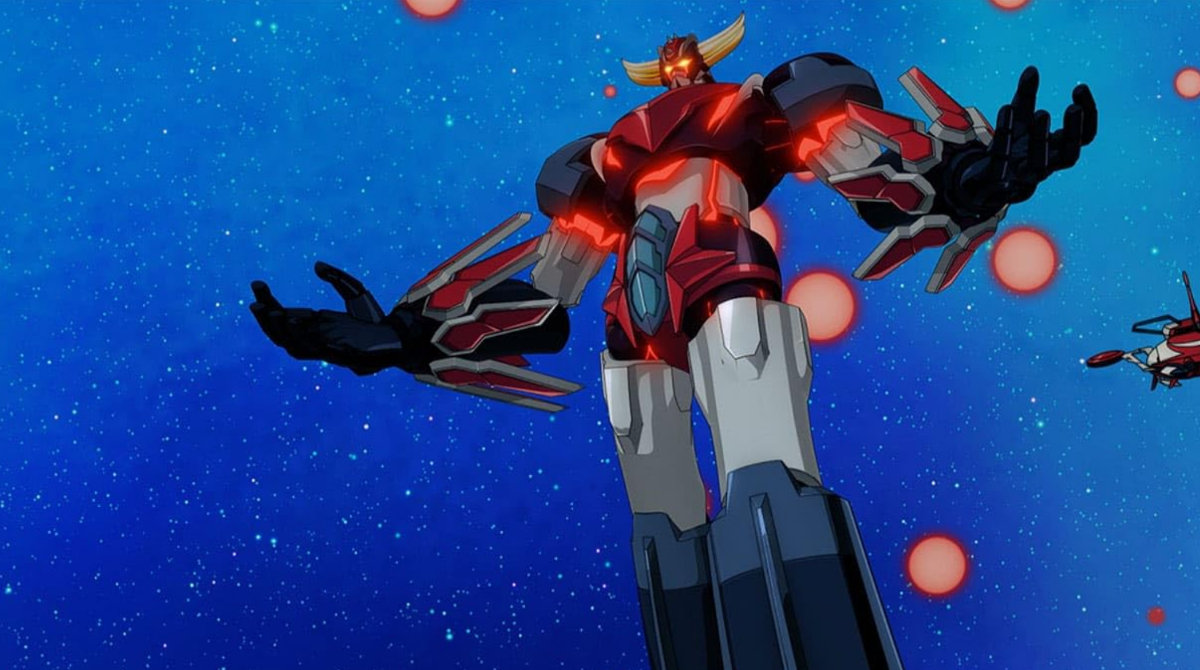
LONDON: Few cultural imports have crossed borders as unexpectedly, or as powerfully, as Grendizer, the Japanese giant robot that half a century ago became a childhood hero across the Arab world, nowhere more so than in Saudi Arabia.

Created in Japan in the mid-1970s by manga artist Go Nagai, Grendizer was part of the “mecha” tradition of giant robots. The genre was shaped by Japan’s experience during the Second World War, and explored themes of invasion, resistance and loss through the medium of science fiction.

But while the series enjoyed moderate success in Japan, its true legacy was established thousands of kilometers away in the Middle East.

By the early 1980s, “Grendizer” had spread across the Middle East, inspiring fandoms in Saudi Arabia, Kuwait, Iraq and beyond. (Supplied)

The anime “UFO Robot Grendizer” arrived on television in the region in 1979, dubbed into Arabic and initially broadcast in Lebanon during the Lebanese civil war. The story it told of the heroic Duke Fleed, a displaced prince whose planet had been destroyed by alien invaders, struck a chord with children growing up amid regional conflict and occupation by Israel.

Its themes of defending one’s homeland, standing up to aggression and protecting the innocent were painfully relevant in the region, transforming the series from mere entertainment into a kind of emotional refuge.

Much of the show’s impact came from its successful Arabization. The powerful Arabic dubbing and emotionally charged voice-acting, especially by Lebanese actor Jihad El-Atrash as Duke Fleed, lent the show a moral gravity unmatched by other cartoons of the era.

While the series enjoyed moderate success in Japan, its true legacy was established thousands of kilometers away in the Middle East. (Supplied)

The theme song for the series, performed by Sami Clark, became an anthem that the Lebanese singer continued to perform at concerts and festivals right up until his death in 2022.

By the early 1980s, “Grendizer” had spread across the Middle East, inspiring fandoms in Saudi Arabia, Kuwait, Iraq and beyond. For many, it was not only their first exposure to anime, it also delivered lessons on values such as justice and honor.

Grendizer was so influential in the region that it became the subject of scholarly research, which in addition to recognizing the ways in which the plight of the show’s characters resonated with the audience in the Middle East, also linked the show’s popularity to generational memories of displacement, particularly the Palestinian Nakba.

By the early 1980s, “Grendizer” had spread across the Middle East, inspiring fandoms in Saudi Arabia, Kuwait, Iraq and beyond. (Supplied)

Half a century later, “Grendizer” remains culturally alive and relevant in the region. In Saudi Arabia, which embraced the original version of the show wholeheartedly, Manga Productions is now introducing a new generation of fans to a modernized version of the character, through a video game, The Feast of The Wolves, which is available in Arabic and eight other languages on platforms including PlayStation, Xbox and Nintendo Switch, and a new Arabic-language anime series, “Grendizer U,” which was broadcast last year.

Fifty years after the debut of the show, “Grendizer” is back — although to a generation of fans of the original series, their shelves still full of merchandise and memorabilia, it never really went away.


Grendizer at 50
The anime that conquered Arab hearts and minds
Enter
keywords