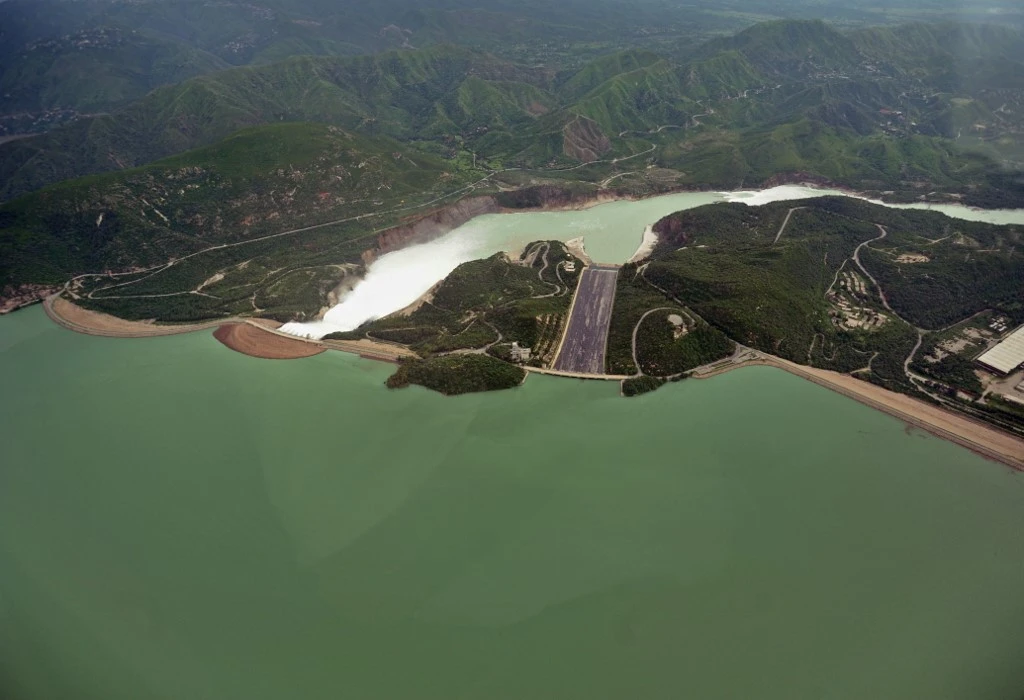
- Dam being constructed on Swat River, will have capacity to generate 800 megawatts of electricity and irrigate 16,000 acres of land
- Pakistani energy ministry says loan approved on concessional terms with two percent interest rate and 25-years repayment period
ISLAMABAD: The Saudi Fund for Development (SFD) has approved 901 million Saudi riyals ($240 million) for the construction of Pakistan’s Mohmand Hydropower Dam Project, the Saudi envoy to Pakistan said on Friday.
The dam is being constructed on the Swat River in Pakistan’s northwestern Khyber Pakhtunkhwa province and will have the capacity to generate 800 megawatts of electricity and irrigate 16,000 acres of land.
“Saudi Arabia has approved a funding of 901 million Saudi Riyal for the construction of Mohmand Hydropower Dam,” Saudi ambassador to Pakistan, Nawaf bin Said Al-Malki, told Arab News.
The ambassador had already met Pakistan’s Federal Minister for Economic Affairs Omar Ayub Khan in Islamabad on Wednesday and informed him of the SFD approval, the Pakistani energy ministry said in a statement.
SFD has approved financing for the loan at concessional terms with 2 percent interest rate and 25-years repayment period, the statement said.
“Saudi side is committed to play a much stronger role in the socioeconomic development of Pakistan,” the Saudi envoy was quoted in the statement.
Khan said Pakistan’s Water and Power Development Authority was committed to completing the project by 2025.
He added the Mohmand dam would help produce clean hydropower energy and improve energy security by increasing the share of hydel power in the country’s energy mix.