Pakistan to launch first digital bank in one of five biggest deals in Middle East 

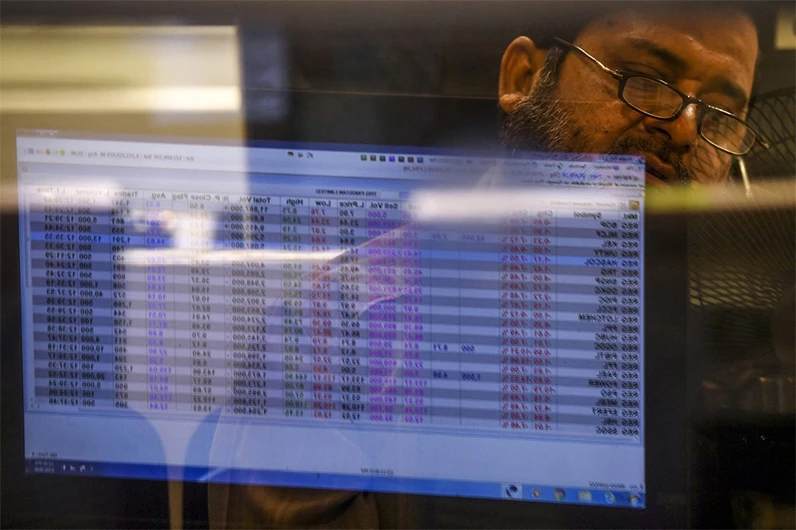
A stockbroker watches the latest share prices during a trading session at the Pakistan Stock Exchange (PSX) in Karachi on March 18, 2020. (AFP/File)
Short Url
Updated 04 June 2021
Follow

Pakistan to launch first digital bank in one of five biggest deals in Middle East 

  • Islamabad-based startup TAG has raised $5.5 million in pre-seed funding, hopes to take off in emerging market where millions lack access to banking services
  • Pakistan has the third largest unbanked adult population globally with about 100 million adults without a bank account, according to the World Bank

ISLAMABAD: TAG Innovation Pvt. is set to become Pakistan’s first digital bank when it starts operations this month in the world’s fifth most populous nation where 70 percent of adults don’t have a bank account, Bloomberg reported.
The Islamabad-based fintech startup will launch with a limited number of customers and start commercial operations in two to three months, Chief Executive Officer Talal Gondal said in an interview to Bloomberg on Thursday.
“The company has raised about $5.5 million in pre-seed funding, making it one of five biggest deals in the Middle East, Africa and Pakistan region, according to data from Crunchbase,” the report said. “The funding round was led by Quiet Capital Management, Liberty City Ventures and Fatima Gobi Ventures. TAG also received strategic angel investments from general partners of Andreessen Horowitz, Khosla Ventures LLC, Canaan Partners and Mercury’s Immad Akhund.”
TAG joins other digital payment startups in raising funds as digital banks take off in emerging markets where millions lack access to banking services. Razorpay, an Indian startup that facilitates digital payments, said in April it was raising $160 million, while Egyptian digital banking app Telda raised $5 million last month.
Pakistan has the third largest unbanked adult population globally with about 100 million adults without a bank account, according to the World Bank. About 70 percent of the population doesn’t have a bank account, Raza Jafri, head of equities at Intermarket Securities Ltd., told Bloomberg.
Pakistan, ADB sign $730 loan agreements to boost SOE reforms, energy infrastructure

Updated 25 December 2025
Follow

Pakistan, ADB sign $730 loan agreements to boost SOE reforms, energy infrastructure

  • Both sign $330 million Power Transmission Strengthening Project and $400 million SOE Transformation Program loan agreements
  • Economic Affairs Division official says Transmission Project will secure Pakistan’s energy future by strengthening national grid’s backbone

KARACHI: Pakistan and the Asian Development Bank (ADB) on Thursday signed two loan agreements totaling $730 million to boost reforms in state-owned enterprises (SOEs) and energy infrastructure in the country, the bank said.

The first of the two agreements pertains to the SOE Transformation Program worth $400 million while the second loan, worth $330 million, is for a Power Transmission Strengthening Project, the lender said. 

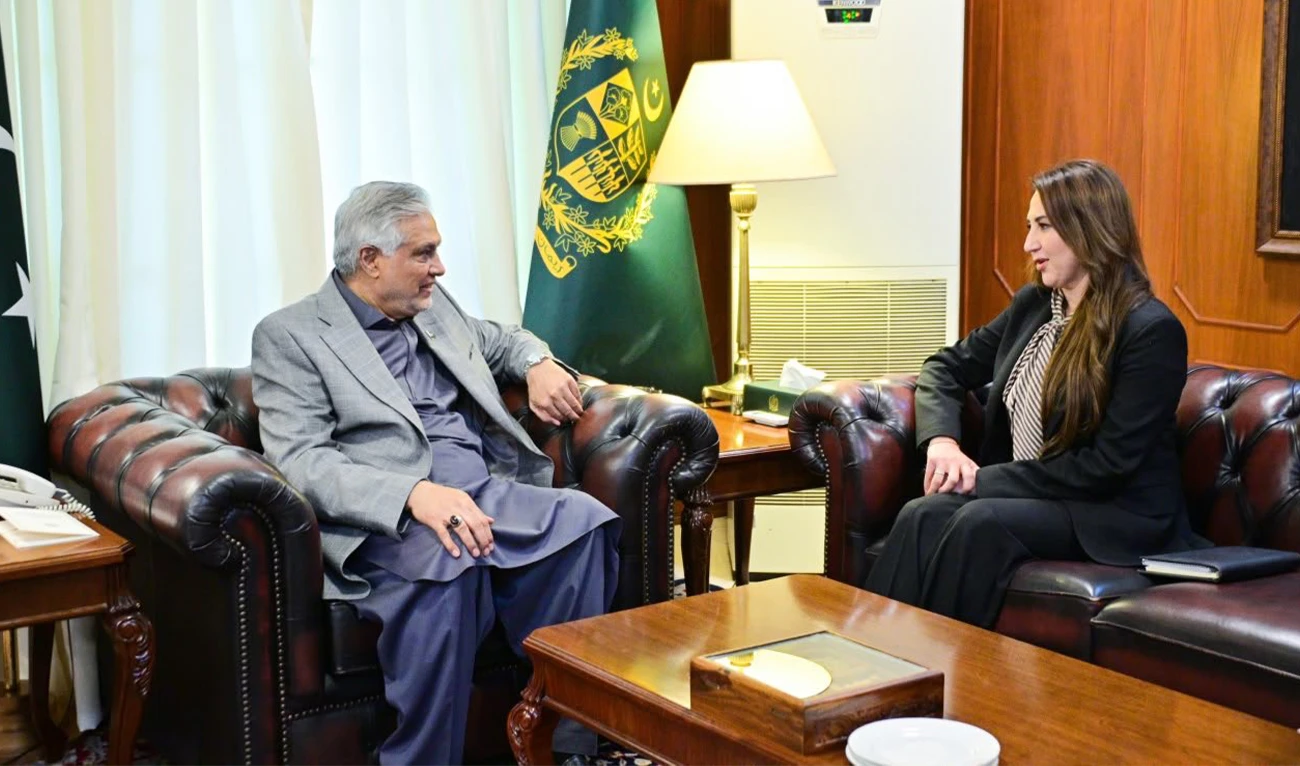
The agreements were signed by ADB Country Director for Pakistan Emma Fan and Pakistan’s Secretary of Economic Affairs Division Humair Karim. 

“The agreements demonstrate ADB’s enduring commitment to supporting sustainable and inclusive economic growth in Pakistan,” the ADB said. 

Pakistan’s SOEs have incurred losses worth billions of dollars over the years due to financial mismanagement and corruption. These entities, including the country’s national airline Pakistan International Airlines, which was sold to a private group this week, have relied on subsequent government bailouts over the years to operate.

The ADB approved the $400 million loan for SOE reforms on Dec. 12. It said the program seeks to improve governance and optimize the performance of Pakistan’s commercial SOEs. 

Karim highlighted that the Power Transmission Strengthening Project will enable reliable evacuation of 2,300 MW from Pakistan’s upcoming hydropower projects, relieve overloading of existing transmission lines and enhance resilience under contingency conditions, the Press Information Department (PID) said. 

“The Secretary emphasized that both initiatives are transformative in nature as the Transmission Project will secure Pakistan’s energy future by strengthening the backbone of the national grid whereas the SOE Program will enhance transparency, efficiency and sustainability of state-owned enterprises nationwide,” the PID said. 

The ADB has supported reforms by Pakistan to strengthen its public finance and social protection systems. It has also undertaken programs in the country to help with post-flood reconstruction, improve food security and social and human capital. 

To date, ADB says it has committed 764 public sector loans, grants and technical assistance totaling $43.4 billion to Pakistan.