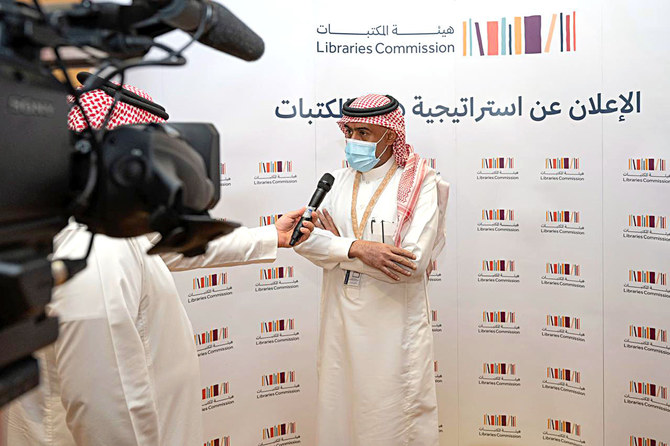

RIYADH: Investment was a “major key” to the success of ambitious plans revealed on Thursday to develop the Saudi library sector.
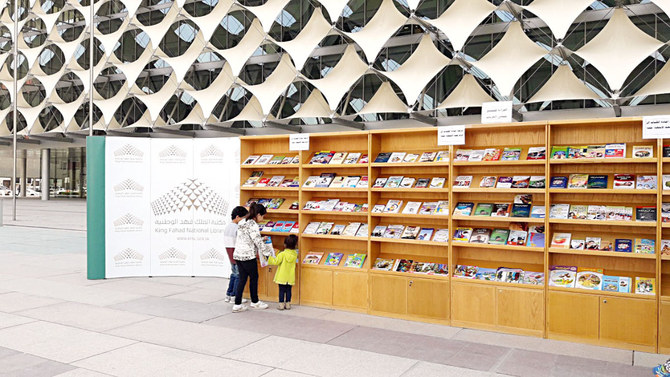
Launching the new strategy at King Fahd National Library in Riyadh, Dr. Abdulrahman Al-Asem, the chief executive officer of the Kingdom’s Libraries Commission, said the aim was not just to upgrade libraries but to transform them from mere information centers into comprehensive cultural platforms.
Speaking at a press conference, the CEO said the initiative would see the promotion of special events and activities designed to build on the traditional role of libraries in improving reading habits, enriching knowledge, and raising literacy levels.
“The strategy includes multiple initiatives serving the sector, partners, and the general community, believing in the pivotal role of libraries in achieving the Ministry of Culture’s goals based on the objectives of the Kingdom’s Vision 2030 as cultural, participatory, and development platforms that strive to develop capacities and businesses, as well as ensure continuous education, innovation, and workforce development, ensuring international cooperation and exchange of knowledge,” he added.
And he pointed out that investment was vital to the success of the growth program.
HIGHLIGHTS
The strategy will involve the staged implementation of 35 diverse initiatives aimed at creating sustainable growth in the library sector.
These include designing digital and children’s public libraries, building an electronic platform for private libraries, developing standards, guidelines, and regulations, constructing databases for the Saudi library sector, contributing to national planning, and establishing a research center.
In plotting its strategy, the commission took into consideration documentation from more than 110 local, regional, and international sources gained via interviews, workshops, and focus groups involving a large number of internal and external stakeholders, and by working with experts and specialists in the library sector.
In addition, research was carried out on the library systems of 27 countries to help in the development of a vision, mission, and values as well as strategic pillars, objectives, initiatives, and key performance indicators.
Al-Asem noted that the strategy had been built around three pillars, the first being to expand the sector through planning, introducing standards and regulations, conducting studies, financing, investment, and improving the skills of employees.
Boosting community participation through awareness campaigns on information literacy and library services was the second building block, followed by schemes to improve the commission’s administrative and operational competencies, create positive working environments, and deliver effective engagement with local and international stakeholders.
In all, the strategy will involve the staged implementation of 35 diverse initiatives aimed at creating sustainable growth in the library sector.
These include designing digital and children’s public libraries, building an electronic platform for private libraries, developing standards, guidelines, and regulations, constructing databases for the Saudi library sector, contributing to national planning, and establishing a research center.
Empowering the third sector, building a digital platform for marketing investment opportunities, establishing business models for public and private sector partnerships, encouraging innovation, attracting sponsorship, generating sustainable revenues, creating endowment models, and providing library services in gathering places along with mobile library facilities were also part of the road map.
Other initiatives included implementing interactive presentations, reading techniques, and games for children and young adults, organizing national youth competitions, information literacy workshops, launching a national libraries day, staging participatory shows for youth and children, social activities for employees, work satisfaction surveys, providing best-in-class training courses, creating partnerships and registering with major regional and international library associations, and hosting regional and global conferences and workshops.
The Libraries Commission was established in February last year as one of 11 cultural commissions affiliated to the Saudi Ministry of Culture.