- Every year, WHO recognizes individuals or organizations in each of six WHO Regions for accomplishments in tobacco control
- This recognition takes the form of WHO Director-General Special Recognition Award and World No Tobacco Day Awards
ISLAMABAD: The Tobacco Control Cell at Pakistan’s health ministry has won a World No Tobacco Day 2021 Award from the World Health Organization, WHO announced on its website on Monday.
Every year, WHO recognizes individuals or organizations in each of the six WHO Regions for accomplishments in the area of tobacco control. This recognition takes the form of the WHO Director-General Special Recognition Award and World No Tobacco Day Awards.
Former technical head of the Health Ministry’s Tobacco Control Cell (TCC) and Focal Person for WHO’s Framework Convention on Tobacco Control (FCTC), Dr. Ziauddin Islam, told local media the award had been given to Pakistan due to efforts made in the last decade.
The international award will be conferred to the Ministry of National Health Services on ‘World No Tobacco Day – Commit to Quit’, which will be observed on May 31 across the globe.
“Pakistan has grabbed the global award after the significant work on tobacco control through policy making as the country has set a target of reducing the number of persons consuming tobacco products by up to 30 percent by 2025,” Dawn reported, adding that the country had also successfully implemented the model of Tobacco-Smoke Free City project under which health authorities established monitoring cells on the district level to implement steps to reduce tobacco consumption.
The statement added that Pakistan had also made 304 localities and parks smoke-free in 12 different districts, becoming the world’s first country to declare smoke-free public parks. Moreover, those selling tobacco products had been registered under the Tobacco-Smoke Free City project.
Dr. Zia said the appreciation Pakistan received from WHO was due to the result of work done toward the cause during the last 12 years.
“This has included the development of tobacco control infrastructure across the country,” he told Dawn.
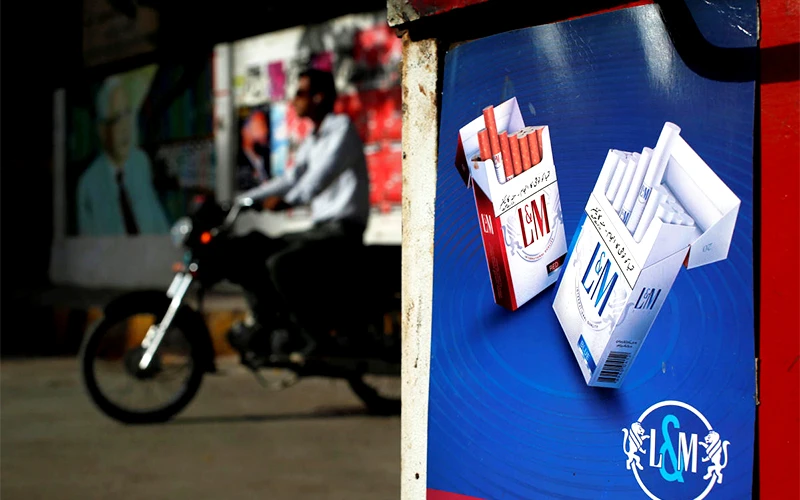
Other important policies included mandating pictorial health warnings on cigarette packs and progressively increasing the size of warning, rescinding smoking designated areas, smoke-free air travel, banning the sale of loose cigarettes, banning imports and sale of sheesha, ousting tobacco industry from Committee for Tobacco Advertisement Guidelines (CTAG committee) as per the recommendation of Article 5.3, banning tobacco advertisements, banning product display at the point of sale, and development and approval of Federal Health Levy Bill 2019 by federal cabinet with the recent push to re-initiate the process of its support in the upcoming months, Zia added.