

UAE’s Ras al Khaimah reveals 20 attractions to get pulse racing

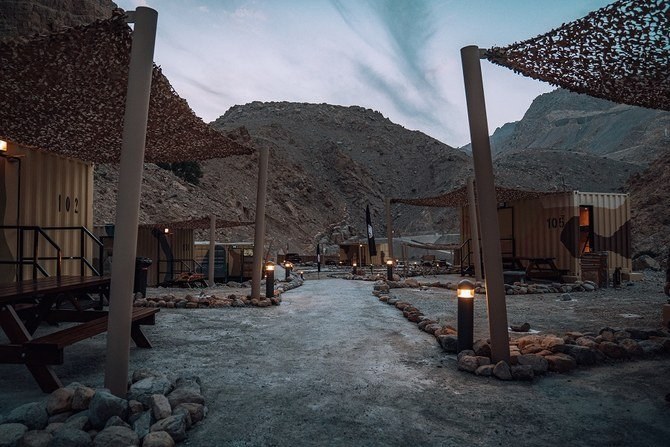
RAK is home to a Bear Grylls base camp. (Supplied)
Short Url
Updated 17 May 2021
Follow

UAE’s Ras al Khaimah reveals 20 attractions to get pulse racing

DUBAI: The UAE's northernmost emirate has revealed a 500 million dirhams ($136 million) tourism investment plan to tempt thrill seekers and lovers of the great outdoors.
Ras Al Khaimah Tourism Development Authority revealed the plans at the Arabian Travel Market which kicked off in Dubai on Sunday.
Some are located at Jebel Jais, the UAE’s highest peak and focus on nature, leisure, adventure, accessibility and authenticity.

"This multi-million investment plan further demonstrates our resolve and commitment to tourism, despite the global challenges faced this past year that continue to shake our industry today," said  Raki Phillips, CEO of Ras Al Khaimah Tourism Development Authority.

Here are some of the projects that RAK is promoting at this year's travel gathering:

• Earth Hotels Altitude, an eco-based pop-up hotel concept set to feature 15 fully fitted accommodation units, an activation center and swimming pool.

• Saij, A Mantis Collection Mountain Lodge, comprising 35 luxury lodges.
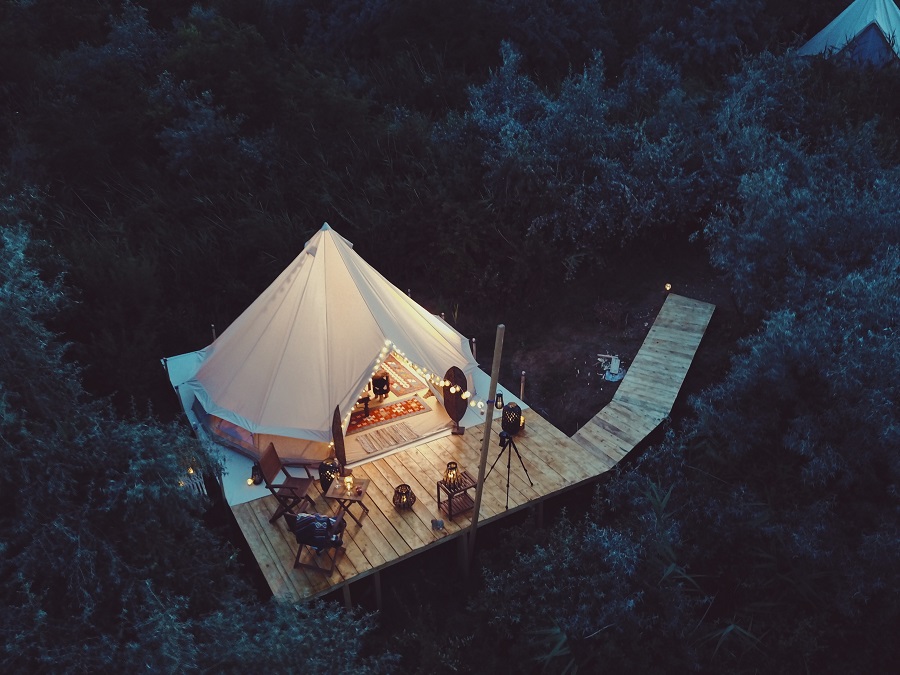
• Cloud7 Camp Jebel Jais – a glamping experience with 30 accommodation units built out of sustainable material.

• The new Basecamp Jais will offer affordable accommodation for outdoor enthusiasts, thrill seekers and nature lovers as well as a range of activities such as yoga, Emirati live cooking and will serve as a leisure hub at the base of the rugged mountains.

• Jais Yard - an F&B Village with food trailers, kiosks, retail containers, vintage truck restaurants, open air cinema and children's play areas.

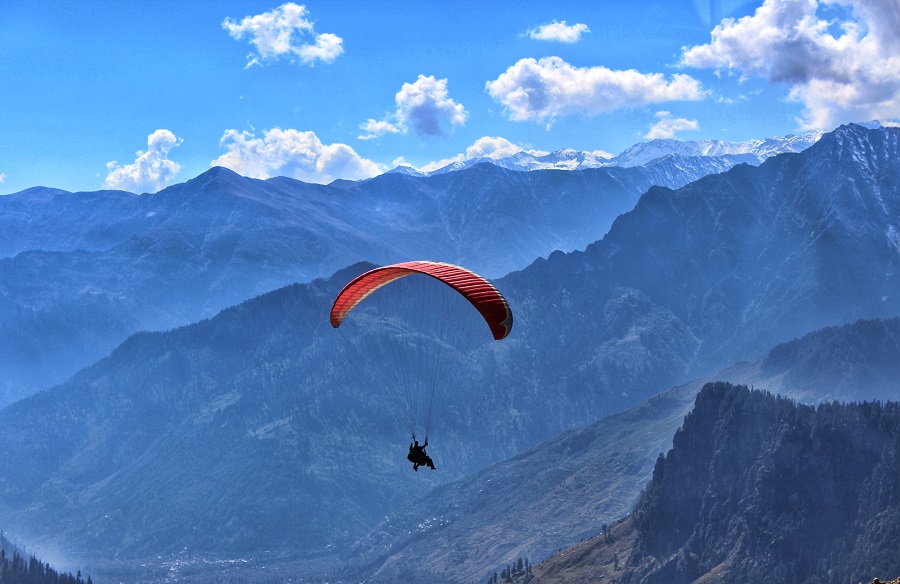
• Jais Wings - adventure seekers can take off on a paragliding experience from the top of Jebel Jais with landing pads near Saraya Islands and Al Rams. It will be the region’s first dedicated paragliding site in the GCC.
• Balloon Base with fixed hot air balloons that visitors can take in the infinite beauty of Jebel Jais.

• Jais Swing - an Instagramable swing made of twin ropes that provide amazing views and a unique content opportunity.

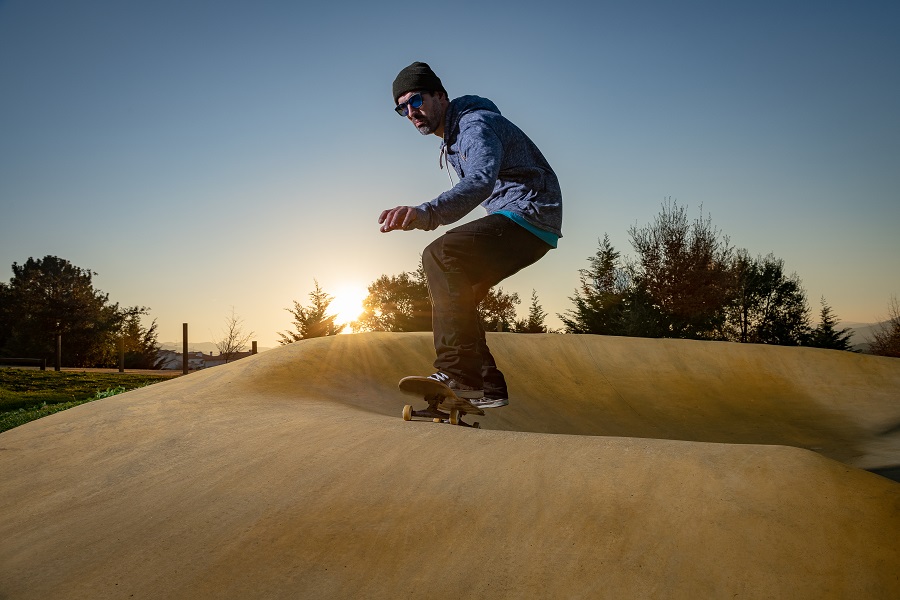
• Wadi Track at Wadi Showka will feature a new bicycle pump track for bike enthusiasts of all ages.
• Ras Al Khaimah is set to host the first ‘HIGHLANDER’ hiking experience in the GCC in November 2021.
 
• A mega-beachfront development by Marjan with a marine district, inflatable aqua park, leisure trampoline, swimming pool, outdoor gym and extensive food and beverage offering.

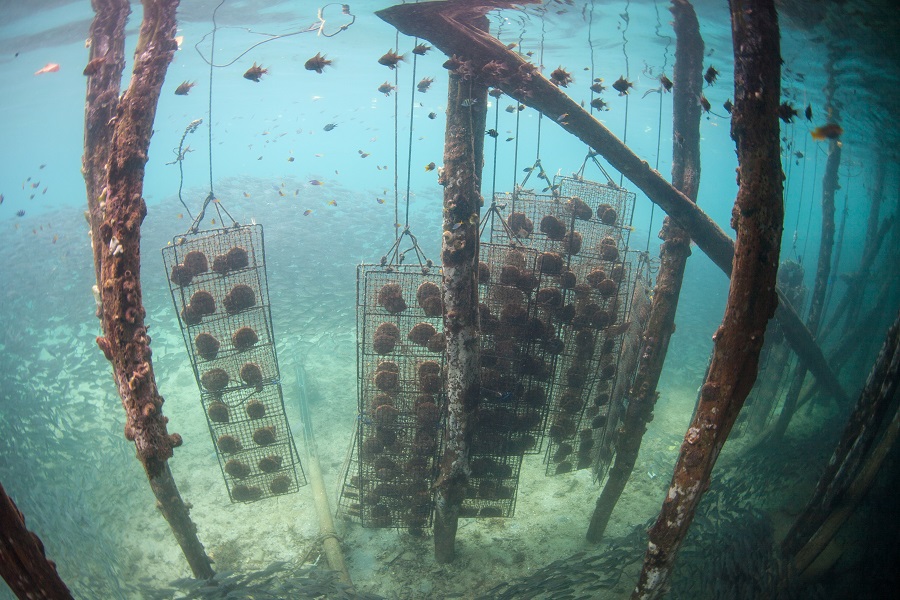
• Scallop Ranch at Al Hamra Marine will offer oyster/scallop diving, live cooking, family and kids’ experiences, and cultural activations.
• Cloud7 Camp AlSawan – a luxury glamping experience with 60 units where guests can learn what it takes to become an agriculturalist.

• Flying Arch at Manar Mall will welcome the region's first 130-metre aerial structure composed of over 1.5 million knots and around 300 km of twine that will cause the wind to create a choreography of constantly changing shape and color.

• Luminaze at Manar Mall will also welcome an aesthetic and playful art installation based on a light maze, ideal for family and team activities.

• Ras Al Khaimah is developing Mövenpick Resort Al Marjan Island with 418 hotel keys and direct sea views. Guests can choose from large-sized family rooms, suites or 28 beachfront chalets with private pools and gardens.


Tunisia’s famed blue-and-white village threatened after record rains

Updated 31 January 2026
Follow

Tunisia’s famed blue-and-white village threatened after record rains

  • The one-time home of French philosopher Michel Foucault and writer Andre Gide, the village is protected under Tunisian preservation law, pending a UNESCO decision on its bid for World Heritage status

SIDI BOU SAID, Tunisia: Perched on a hill overlooking Carthage, Tunisia’s famed blue-and-white village of Sidi Bou Said now faces the threat of landslides, after record rainfall tore through parts of its slopes.
Last week, Tunisia saw its heaviest downpour in more than 70 years. The storm killed at least five people, with others still missing.
Narrow streets of this village north of Tunis — famed for its pink bougainvillea and studded wooden doors — were cut off by fallen trees, rocks and thick clay. Even more worryingly for residents, parts of the hillside have broken loose.
“The situation is delicate” and “requires urgent intervention,” Mounir Riabi, the regional director of civil defense in Tunis, recently told AFP.
“Some homes are threatened by imminent danger,” he said.
Authorities have banned heavy vehicles from driving into the village and ordered some businesses and institutions to close, such as the Ennejma Ezzahra museum.

- Scared -

Fifty-year-old Maya, who did not give her full name, said she was forced to leave her century-old family villa after the storm.
“Everything happened very fast,” she recalled. “I was with my mother and, suddenly, extremely violent torrents poured down.”
“I saw a mass of mud rushing toward the house, then the electricity cut off. I was really scared.”
Her Moorish-style villa sustained significant damage.
One worker on site, Said Ben Farhat, said waterlogged earth sliding from the hillside destroyed part of a kitchen wall.
“Another rainstorm and it will be a catastrophe,” he said.
Shop owners said the ban on heavy vehicles was another blow to their businesses, as they usually rely on tourist buses to bring in traffic.
When President Kais Saied visited the village on Wednesday, vendors were heard shouting: “We want to work.”
One trader, Mohamed Fedi, told AFP afterwards there were “no more customers.”
“We have closed shop,” he said, adding that the shops provide a livelihood to some 200 families.

- Highly unstable -

Beyond its famous architecture, the village also bears historical and spiritual significance.
The village was named after a 12th-century Sufi saint, Abu Said Al-Baji, who had established a religious center there. His shrine still sits atop the hill.
The one-time home of French philosopher Michel Foucault and writer Andre Gide, the village is protected under Tunisian preservation law, pending a UNESCO decision on its bid for World Heritage status.
Experts say solutions to help preserve Sidi Bou Said could include restricting new development, building more retaining walls and improving drainage to prevent runoff from accumulating.
Chokri Yaich, a geologist speaking to Tunisian radio Mosaique FM, said climate change has made protecting the hill increasingly urgent, warning of more storms like last week’s.
The hill’s clay-rich soil loses up to two thirds of its cohesion when saturated with water, making it highly unstable, Yaich explained.
He also pointed to marine erosion and the growing weight of urbanization, saying that construction had increased by about 40 percent over the past three decades.
For now, authorities have yet to announce a protection plan, leaving home and shop owners anxious, as the weather remains unpredictable.