


200,000 Zamzam bottles distributed on Ramadan 27

1 / 7
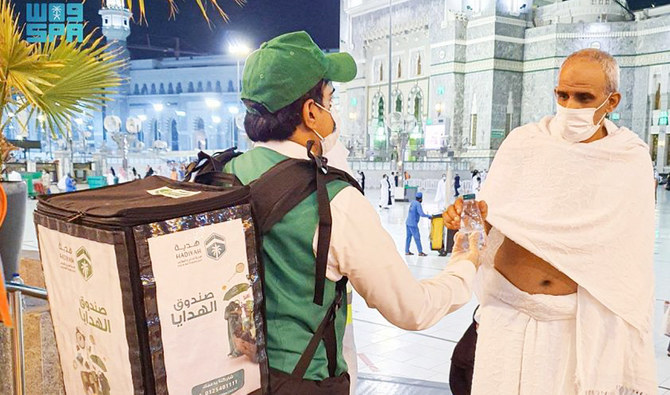
The administration organizes distributing the cylinder bags inside praying areas in all floors allowed for praying. (SPA)
2 / 7
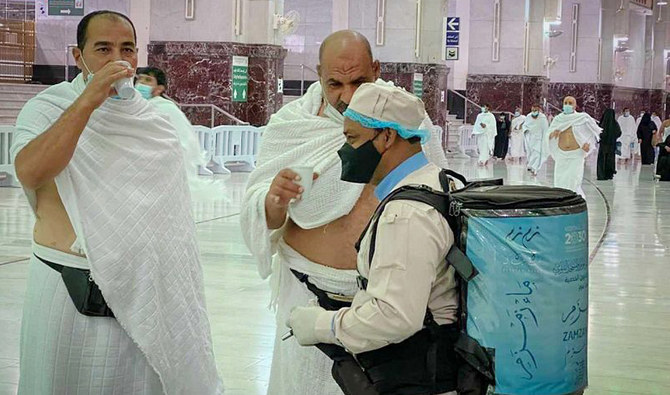
The administration organizes distributing the cylinder bags inside praying areas in all floors allowed for praying. (SPA)
3 / 7
The administration organizes distributing the cylinder bags inside praying areas in all floors allowed for praying. (SPA)
4 / 7
The administration organizes distributing the cylinder bags inside praying areas in all floors allowed for praying. (SPA)
5 / 7
The administration organizes distributing the cylinder bags inside praying areas in all floors allowed for praying. (SPA)
6 / 7
The administration organizes distributing the cylinder bags inside praying areas in all floors allowed for praying. (SPA)
7 / 7
The administration organizes distributing the cylinder bags inside praying areas in all floors allowed for praying. (SPA)
Short Url
Updated 10 May 2021
Follow

200,000 Zamzam bottles distributed on Ramadan 27

  • The administration has allocated 10 mobile carts to distribute Zamzam water in the Tawaf area and other areas allocated for Tawaf

MAKKAH: The General Presidency for the Affairs of the Two Holy Mosques distributed more than 200,000 Zamzam water bottles to Umrah performers and worshippers on the 27th night of Ramadan at the Grand Mosque.

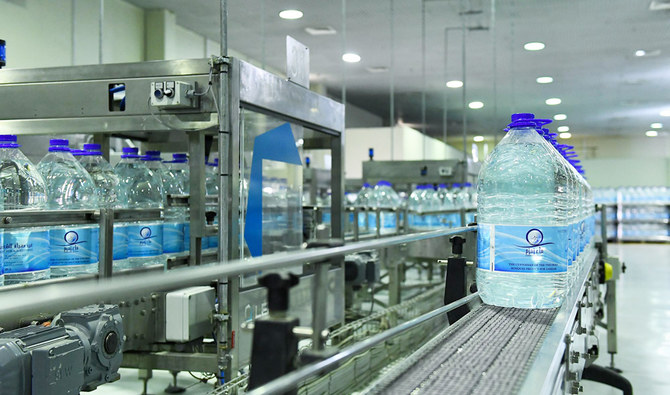
The distribution came under executive and service plans that were prepared taking into consideration the highest health standards while offering the holy water inside the mosque.

The director of the Zamzam Administration, Ahmad bin Shanbar Al-Nadawi, said that Zamzam water bottles were distributed along the Grand Mosque and its yards through more than 1,000 workers, 190 back bags and 375 cylinder bags with a capacity of 10 liters for each bag; a total of 37,500 liters of Zamzam water a day.

The administration has also allocated 10 mobile carts to distribute Zamzam water in the Tawaf area and other areas allocated for Tawaf, with a total capacity of 80 liters of cold and normal water, as well as mobile electronic pumps for constant sterilization as a precautionary measure under the preventive protocols that the administration adopts while distributing the holy water to visitors of the Grand Mosque.

Al-Nadawi said that the administration organizes distributing the cylinder bags inside praying areas in all floors allowed for praying, and is keen to provide enough water for areas allocated for funeral prayers, in addition to areas that host lessons at the Grand Mosque.

He said that water distribution inside the Tawaf area for Umrah performers starts before Maghrib prayer and lasts till to Fajr prayer through cylinder bags, taking into consideration the sanitization of bags, bottle holders, cylinder bags and carts for distributing water bottles in routes allocated for performing Tawaf.


Why we feel full soon after breaking fast

Updated 8 sec ago
Follow

Why we feel full soon after breaking fast

  • Slower digestion and hormonal changes are likely what is happening after fasting, says expert

RIYADH: Many people experience fullness almost immediately after some soup, dates and coffee at iftar, which is likely due to slow digestion and hormonal changes, according to a local nutritionist.

Malak Kandiel, also a chef who designs iftar menus, told Arab News recently: “The stomach digestion process has slowed down due to the long hours of fasting, which causes feeling fuller after eating small amounts of food and takes more time to digest it.”

She elaborated on the broader benefits of fasting: “I always say if you can control your eating habits and portions you can control anything and achieve anything you want.

“Think about it, food is one of the strongest human instincts. Once you are able to gain control over it, you’ll unlock the ability to strengthen self-control in other areas of life.

“It’s not just practicing fasting, you’re also practicing patience, discipline, emotional control, and the feeling of desire but you choose not to act on it. That’s power.”

She emphasized that fasting affects body hormones more than the stomach itself. “I believe it doesn’t shrink your stomach. After long hours of fasting, the process of digesting the food slows down. Imagine if you’re eating your meal at a slower pace instead of just chucking the food quickly.”

Oils and fried foods, she added, can irritate the stomach and colon, while eating too quickly leads to the swallowing of air and bloating.

Her advice for a gentler approach is practical: break the fast with a glass of water and one to two dates, take at least 10 minutes to pause, complete Maghrib prayer, and sit with family.

She also recommended starting iftar with soup, eggs, or chicken, avoiding heavy carbs and oily foods, followed by fruits for a vitamin boost. After a couple of hours, sahoor should mirror iftar options, with the addition of a banana to help reduce thirst and dehydration.

When it comes to an iftar menu, chef Gokhan Kekec from Rixos Obhur Jeddah shared his perspective.

“Designing an iftar menu is always about respecting both the spirit of Ramadan and the physiology of the guest. After long hours of fasting, the body needs gentle re-activation rather than overload.

“My goal is to honor traditional flavors while guiding the guest through a comfortable culinary journey. This means focusing on hydration, natural sugars, light broths, and a gradual flavor progression before introducing richer dishes.”

He intentionally structures the menu in stages to prevent sudden fullness. “Absolutely. I strongly believe iftar should be experienced in stages,” he said.

The meal begins with rehydration and gentle energy through dates, water, laban and fresh juices, followed by warm, light options such as soups and simple mezze.

Balanced main courses come next, featuring grilled proteins, rice and vegetables, before concluding with desserts and traditional Ramadan sweets.

This gradual approach helps prevent the heavy feeling of overeating and allows guests to fully enjoy the dining experience. This is better than having dates, fried appetizers, soups and juices arrive simultaneously, he says.

Kekec noted: “From a culinary and wellness perspective, spacing dishes is far better. When everything arrives at once, guests tend to eat quickly after fasting, which can cause discomfort.

“Ideally, we encourage a short pause after breaking the fast before introducing soups and hot starters. Even a natural 10 to 15-minute flow improves digestion and guest comfort significantly while still respecting tradition.”

He also observed that diners’ preferences have evolved over time: “Guests today are much more health-conscious and balanced in their choices.

“We see increasing demand for lighter soups, grilled proteins instead of heavy stews, more salads and plant-forward options, and reduced sugar desserts with fresh fruit selections.

“Modern iftar is evolving into a balance of tradition, wellness and experience, and as chefs it is our role to guide that evolution while keeping the emotional connection to Ramadan alive.”

Rixos, as a Turkish hospitality brand, emphasizes the nation’s cuisine at iftar. “Our buffet features a wide selection of Turkish mezze, traditional hot dishes, and a dedicated grill section that plays a key role in the menu.”

The experience is further enhanced with multiple live cooking stations, including freshly prepared pide and gozleme, doner and kebab varieties, and pasta.

“These interactive elements allow guests to enjoy freshly prepared, hot, and personalized dishes, transforming iftar into a complete gastronomic experience,” he added.