BRUSSELS, Belgium: Russian and Chinese media are systematically seeking to sow mistrust in Western COVID-19 vaccines in their latest disinformation campaigns aimed at dividing the West, a European report said on Wednesday.
From December to April, the two countries’ state media outlets pushed fake news online in multiple languages sensationalizing vaccine safety concerns, making unfounded links between jabs and deaths in Europe and promoting Russian and Chinese vaccines as superior, the EU study said.
The Kremlin and Beijing deny all disinformation allegations by the EU, which produces regular reports and seeks to work with Google, Facebook, Twitter and Microsoft to limit the spread of fake news.
Russian and Chinese vaccine diplomacy “follows a zero-sum game logic and is combined with disinformation and manipulation efforts to undermine trust in Western-made vaccines,” said the EU study released by the bloc’s disinformation unit, part of its EEAS foreign policy arm.
“Both Russia and China are using state-controlled media, networks of proxy media outlets and social media, including official diplomatic social media accounts, to achieve these goals,” the report said, citing 100 Russian examples this year.
The EU and NATO regularly accuse Russia of covert action, including disinformation, to try to destabilize the West by exploiting divisions in society.
“A disinformation report that has no factual basis is in itself an example of disinformation,” the Chinese mission to the EU said in a statement dated Thursday in response to the report.
Russia denies any such tactics and President Vladimir Putin has accused foreign foes of targeting Russia by spreading fake news about the coronavirus.
Vaccine supply issues with AstraZeneca, as well as very rare side effects with AstraZeneca and the Johnson & Johnson vaccines have been seized upon, the report said.
“Both Chinese official channels and pro-Kremlin media have amplified content on alleged side-effects of the Western vaccines, misrepresenting and sensationalizing international media reports and associating deaths to the Pfizer/BioNTech vaccine in Norway, Spain and elsewhere,” the report said.
Last year, China sought to block an EU report alleging that Beijing was spreading disinformation about the coronavirus outbreak, according to a Reuters investigation.
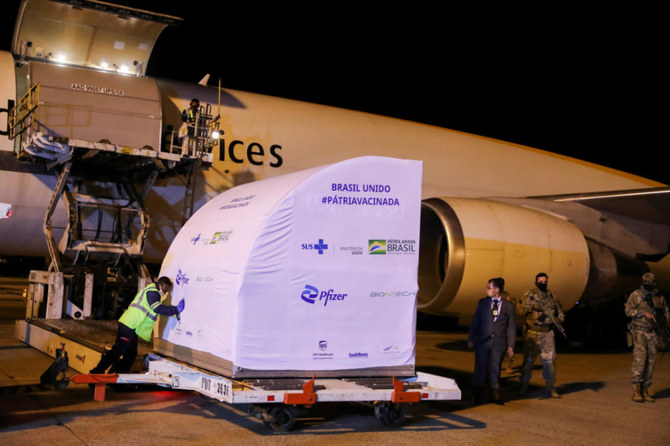
While the EU has not vaccinated its 450 million citizens as fast as Britain, which is no longer a member of the bloc, shots are now gaining speed, led by US drugmaker Pfizer’s shots and its German partner BioNTech.
Russian media reported that “Brexit saved the UK from the ‘vaccine chaos’ engulfing the EU,” the EU said. “Such narratives indicate an effort to sow division within the EU,” it added.
In the report, released online at https://euvsdisinfo.eu/, the EU said Russia’s official Sputnik V Twitter account sought to undermine public trust in the European Medicines Agency.
Sputnik V responded that the disinformation campaign is against Russia and its vaccine, not the other way around.
“We will continue to fight disinformation campaign against Sputnik V in the interests of protecting lives around the world and avoiding vaccine monopoly that some vaccine producers may strive for,” it said on Twitter.
The Twitter account is managed by the Russian sovereign wealth fund, the Russian Direct Investment Fund, which is responsible for marketing and promoting the Sputnik V vaccine.
China meanwhile promoted its vaccines as a “global public good” and “presenting them as more suitable for developing countries and also the Western Balkans,” the report found. Western Balkan countries are seen as future EU members.


![]()
![]()

EU report accuses Russia, China of sowing mistrust in Western vaccines

Short Url
https://arab.news/zw2qe
EU report accuses Russia, China of sowing mistrust in Western vaccines
- Study documented instances of fake news promoted online by the two countries' state media from December to April
- The EU and NATO regularly accuse Russia of covert action, including disinformation, to try to destabilize the West by exploiting divisions in society


Latest updates


© 2026 SAUDI RESEARCH & PUBLISHING COMPANY, All Rights Reserved And subject to Terms of Use Agreement.