

New photo exhibition in Riyadh combines calligraphy and natural landscapes

1 / 8
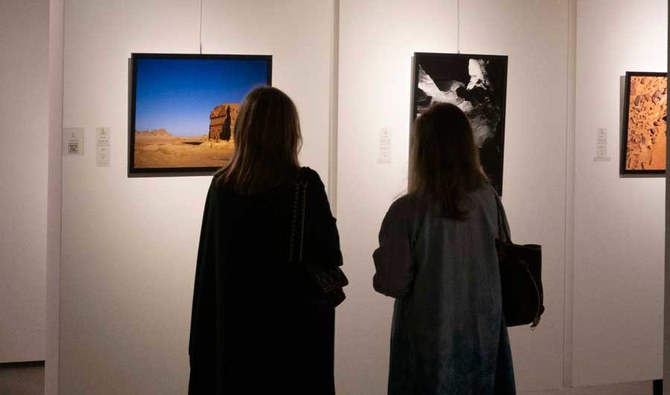
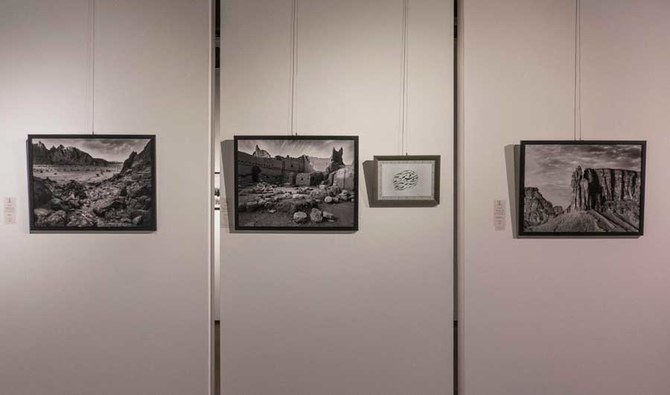
Waleed Almarhoum grew up practicing calligraphy from a young age, later branching out into other mediums, specifically photography, through which he would often focus on light and shadows. (Photo/Ziyad Alarfaj)
2 / 8
Waleed Almarhoum grew up practicing calligraphy from a young age, later branching out into other mediums, specifically photography, through which he would often focus on light and shadows. (Photo/Ziyad Alarfaj)
3 / 8
Waleed Almarhoum grew up practicing calligraphy from a young age, later branching out into other mediums, specifically photography, through which he would often focus on light and shadows. (Photo/Ziyad Alarfaj)
4 / 8
Waleed Almarhoum grew up practicing calligraphy from a young age, later branching out into other mediums, specifically photography, through which he would often focus on light and shadows. (Photo/Ziyad Alarfaj)
5 / 8
Waleed Almarhoum grew up practicing calligraphy from a young age, later branching out into other mediums, specifically photography, through which he would often focus on light and shadows. (Photo/Ziyad Alarfaj)
6 / 8
Waleed Almarhoum grew up practicing calligraphy from a young age, later branching out into other mediums, specifically photography, through which he would often focus on light and shadows. (Photo/Ziyad Alarfaj)
7 / 8
Waleed Almarhoum grew up practicing calligraphy from a young age, later branching out into other mediums, specifically photography, through which he would often focus on light and shadows. (Photo/Ziyad Alarfaj)
8 / 8
Waleed Almarhoum grew up practicing calligraphy from a young age, later branching out into other mediums, specifically photography, through which he would often focus on light and shadows. (Photo/Ziyad Alarfaj)
Short Url
Updated 26 April 2021
Follow

New photo exhibition in Riyadh combines calligraphy and natural landscapes

  • The event showcases the power behind the written word accompanied by some natural landscape photos

JEDDAH: They say that a picture is worth a thousand words, and that written words can drive behavior.

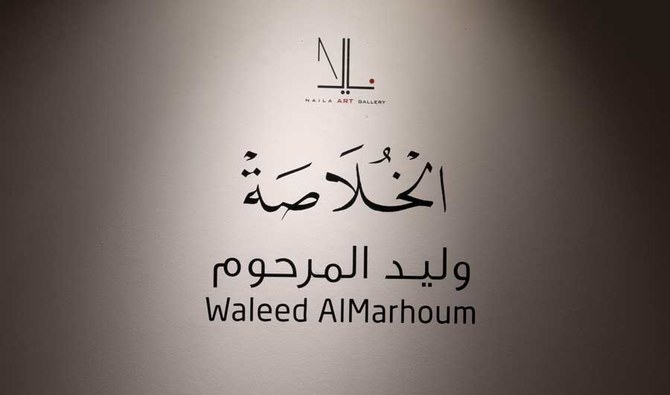
Waleed Almarhoum, a seasoned Saudi photographer and self-described “novice calligrapher” has taken both messages to heart, and has set out to combine the two mediums in an exhibit titled “Al-Khulasah.”
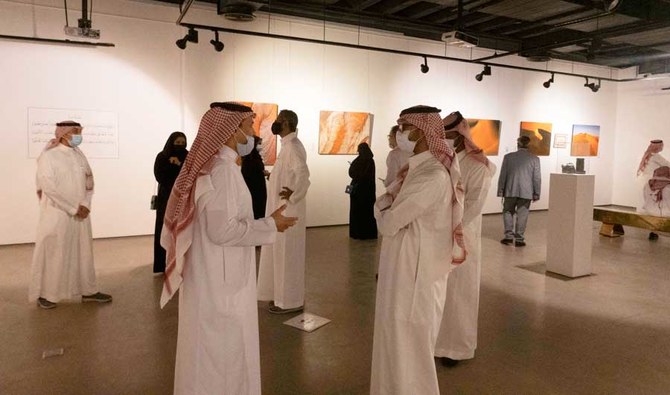
Opening at Riyadh’s prestigious Naila Art Gallery, “Al-Khulasah” showcases the true power behind the written word accompanied by some of his famed natural landscape photos.

Arabic calligraphy:
Ancient craft,
modern art
For the Saudi Ministry of Culture's Year of Arabic Calligraphy in 2020/21, we take an in-depth look at how the craft has developed from ancient to modern times.

Enter


keywords

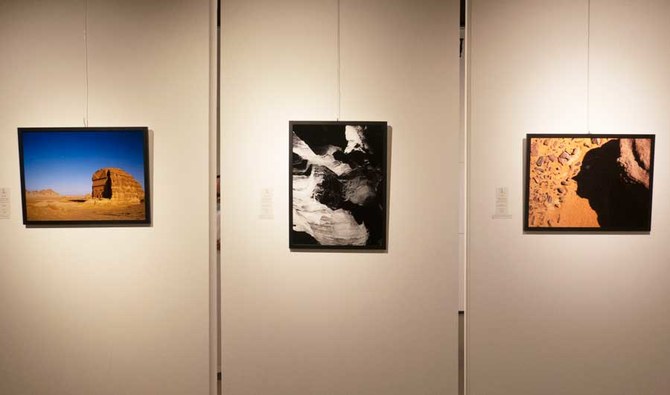
From the golden deserts of the Arabian Peninsula to the thick misty forests of Europe and the lush green jungles of the Philippines, Almarhoum’s photographs capture the light in a special way that mixes and matches lines, to create abstract visions and let the viewer’s imagination run wild, forging new shapes and figures along the way.

HIGHLIGHT

From the golden deserts of the Arabian Peninsula to the thick misty forests of Europe and the lush green jungles of the Philippines, Waleed Almarhoum’s photographs capture the light in a special way that mixes and matches lines.

“‘Al-Khulasah’ refers back to a poem my father read to me, and I chose three verses that spoke to me,” Almarhoum told Arab News. “They explain the purpose of the exhibit and the connotations the images contain.”
Almarhoum grew up practicing calligraphy from a young age, later branching out into other mediums, specifically photography, through which he would often focus on light and shadows, and how they coexist harmoniously in nature.
His calligraphy, meanwhile, is simple, but each brush stroke is influenced by the magnificence of the colors, the tones and the softness of the images they adorn.
“With the right angle and time, sometimes the sun’s rays reflecting off the soft sands can give the illusion of gold. The image is as soft as silk and I mimicked the soft strokes found in (the) image to repeatedly draw the word ‘harir’ (Arabic for silk), to reflect on the similar movement of the sand with similar colors as well,” he said.


Riyadh exhibition to trace the origins of Saudi modern art

Updated 07 January 2026
Follow

Riyadh exhibition to trace the origins of Saudi modern art

  • Features painting, sculpture and archival documents
  • Open from Jan. 27-April 11 at Saudi national museum

DUBAI: A new exhibition in Riyadh is focusing on the origins of Saudi Arabia’s modern art scene, examining how a generation of artists helped shape the Kingdom’s visual culture during a period of rapid change.

The “Bedayat: Beginnings of Saudi Art Movement” show reportedly traces the emergence of creative practices in Saudi Arabia from the 1960s to the 1980s, an era that laid the groundwork for today’s art ecosystem.

On view from Jan. 27 until April 11 at the National Museum of Saudi Arabia, it includes works and archival material that document the early years of modern and abstract art in the Kingdom, according to the organizers.

It will examine how artists responded to shifting social, cultural and economic realities, often working with limited infrastructure but a strong sense of purpose and experimentation.

The exhibition is the result of extensive research led by the Visual Arts Commission, which included dozens of site visits and interviews with artists and figures active during the period.

These firsthand accounts have helped to reconstruct a time when formal exhibition spaces were scarce, art education was still developing, and artists relied heavily on personal initiative to build communities and platforms for their work.

Curated by Qaswra Hafez, “Bedayat” will feature painting, sculpture, works on paper and archival documents, many of which will be shown publicly for the first time.

The works will reveal how Saudi artists engaged with international modernist movements while grounding their practice in local heritage, developing visual languages that spoke to both global influences and lived experience.

The exhibition will have three sections, beginning with the foundations of the modern art movement, and followed by a broader look at the artistic concerns of the time.

It will conclude with a focus on four key figures: Mohammed Al-Saleem, Safeya Binzagr, Mounirah Mosly and Abdulhalim Radwi.

A publication, documentary film and public program of talks and workshops will accompany the exhibition, offering further insight into a pivotal chapter of Saudi art history and the artists who helped define it.