JEDDAH: Only pilgrims and worshippers who have been vaccinated against COVID-19 or have recovered from coronavirus will be allowed into the Grand Mosque in Makkah, Saudi Arabia’s Ministry of Hajj and Umrah said on Monday.
Umrah permits and visit permits for the Grand Mosque and the Prophet’s Mosque in Madinah will increase operational capacity during the month of Ramadan, which begins next week.
The permits will be granted to those who have received two vaccination jabs, those who have received a first dose at least 14 days before their visit to Madinah and Makkah, and those who have had the virus and recovered.
Each person’s vaccination status will need to be registered on Saudi Arabia’s COVID-19 app, Tawakkalna. The app was launched last year to help track coronavirus infections. Those who wish to visit the two mosques or perform Umrah will have to register via the Tawakkalna app and the Umrah app Eatmarna. Registrations will be accommodated according to the space and availability of the two mosques and in accordance with health restrictions. The Tawakkalna and Eatmarna apps are the only platforms available to issue genuine permits, and the ministry warned the public against resorting to bogus websites and application forms.
Nearly 10,000 Grand Mosque workers have already been inoculated as part of the Ramadan operational plan. The courtyard around the Kaaba and the first floor will be designated for pilgrims performing Tawaf only. Five areas will be available for prayers at the Grand Mosque, including the eastern courtyard.
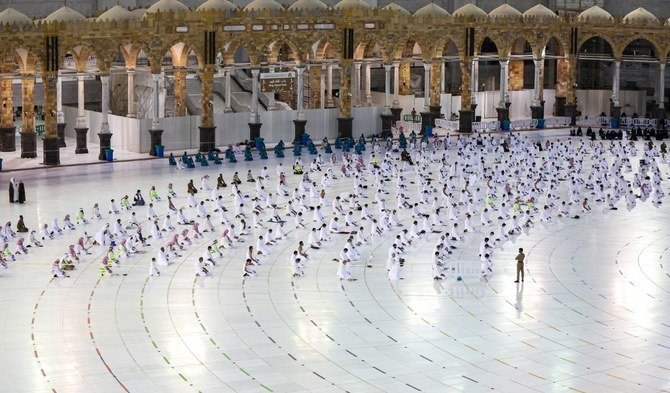
More than 13 million worshippers wearing masks and observing physical distancing rules have visited the mosques since the seven-month prayer and Umrah suspension was lifted last October.
In Egypt, health officials warned that Ramadan would coincide with a third wave of COVID-19 infections.
“The beginning of the third wave depends on citizens’ commitment to precautionary measures, wearing face masks and following social distancing rules,” said Noha Assem, an adviser to the Egyptian minister of health. The month of Ramadan and family gatherings over iftar would probably lead to a significant increase in daily registered coronavirus cases, she said.


![]()

Saudi Arabia expands capacity, allows Umrah for vaccinated pilgrims in Ramadan
Short Url
https://arab.news/vnsmc
Saudi Arabia expands capacity, allows Umrah for vaccinated pilgrims in Ramadan
- Two Holy Mosques says ready to receive Umrah pilgrims during Ramadan
Latest updates





© 2026 SAUDI RESEARCH & PUBLISHING COMPANY, All Rights Reserved And subject to Terms of Use Agreement.