- ‘COVID-19 Pandemic’s Economic Burden in Pakistan’ uses data from Bureau of Statistics’ survey evaluating socio-economic impact of coronavirus
- Three million citizens unable to recover jobs a quarter after end of first wave lockdowns, average income in Nov 2020 5.5% below pre-lockdown levels
ISLAMABAD: A new study by the Mahbub Ul Haq Research Center at Pakistan’s most prestigious private university, the Lahore University of Management Sciences (LUMS), assesses the coronavirus pandemic’s economic impact on the lives of Pakistanis during the first wave, saying it had an “unprecedented shock” on citizens.
The study, ‘COVID-19 Pandemic’s Economic Burden in Pakistan,’ uses the Pakistan Bureau of Statistics’ (PBS) Special Survey for Evaluating the Socio-Economic Impact of COVID-19 — a nationally representative survey that is also representative of rural and urban areas. The analysis provides important lessons for government policy during the lethal third wave.
“The evidence shows that Pakistani citizens experienced an unprecedented shock because of lockdowns during the first wave,” the study, released this week, said. “We find that the unemployment rate increased by 34.1% between the pre-lockdown and the first wave lockdown periods and mean income fell by over 42%.”
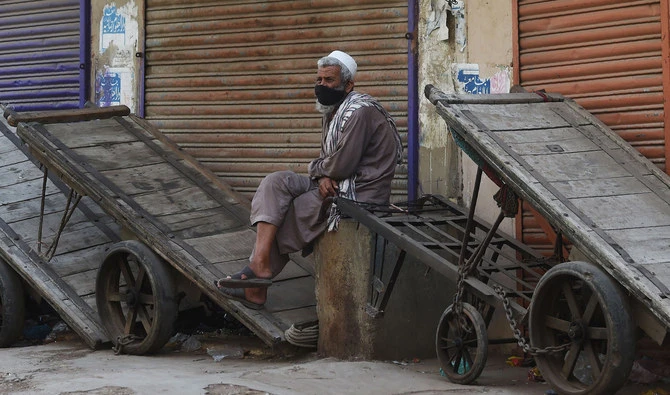
However, not all types of citizens experienced a shock of the same magnitude: citizens engaged in the urban and rural non-farm economies faced a bigger income and employment shock than citizens engaged in farm activities. The unemployment rate increased by 42% in urban areas and 38% in the rural non-farm economy. The average income of these citizens fell by 48.7% and 47.2% respectively. As opposed to this, unemployment rose by 4% and income declined by 6.5% for respondents engaged in farm employment.
“The PBS survey shows that the biggest loss of income and jobs was experienced by causal labor, however employers and the self-employed also experienced a sizeable shock,” the study said.
The period of respite after the first wave resulted in robust recovery for citizens, though the recovery was incomplete, the study said, with around 3 million citizens unable to recover their jobs a quarter after the end of first wave lockdowns and average income in November 2020 remaining 5.5% below pre-lockdown levels.
An important lesson from the first wave experience, the study said, was that “the economic shock associated with pandemics like COVID-19 requires the institutionalization of emergency social assistance with much broader coverage that includes the lower-middle and middle classes.”
“The incomplete nature of the recovery suggests that a component of emergency social assistance needs to be designed to protect jobs during lockdowns, rather than being disbursed in the form of handouts for employers and citizens that are not tied to jobs,” the study concluded. “This would require formally registering employment and supplier contracts as part of social assistance programs. These changes, however, require a new social contract between the state, firms, and the working and middle classes in Pakistan. The question for the government is whether it is ready to introduce such a program during the third wave.”