Saudi Arabia’s MODON leases land for blood plasma derivatives plant

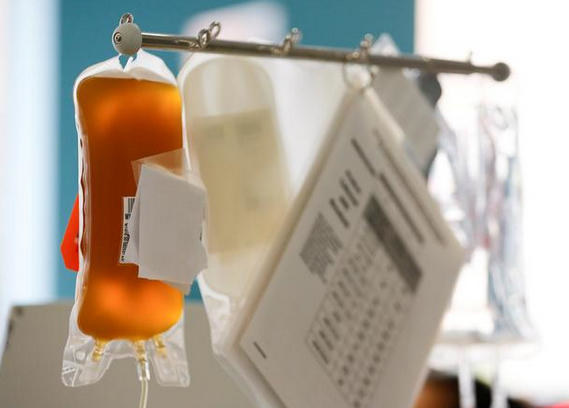
The coronavirus pandemic has fueled investment in plasma research. (Reuters)
Short Url
Updated 01 April 2021
Follow

Saudi Arabia’s MODON leases land for blood plasma derivatives plant

  • Plasma derivatives capacity to reduce import reliance
  • Spending in sector rises amid pandemic

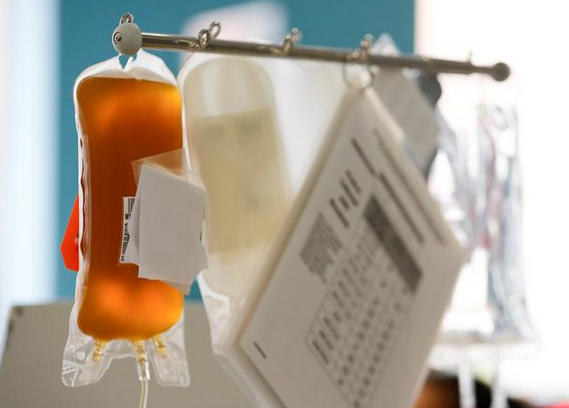
RIYADH: The Saudi Authority for Industrial Cities and Technology Zones (MODON) has leased land north of Riyadh to develop a SR300 million ($80 million) plant to make blood plasma derivatives.
The facility will be developed at Sudair Industrial City with manufacturer AlphaBioViz Co, Al Eqtisadiah reported.
The plant will reduce the need to import derivatives from abroad and it comes as the sector attracts increased investment in the wake of the coronavirus pandemic.
Plasma derivatives are among the products targeted under the National Industrial Development and Logistics Program (NADLIB) MODON CEO Khalid Al-Salem, explained.
MODON and the King Abdullah International Medical Research Center (KAIMRC) signed an initial agreement last year to boost cooperation in research and development in the medical sector.


Finance minister announces launch of National Privatization Strategy

Updated 11 sec ago
Follow

Finance minister announces launch of National Privatization Strategy

RIYADH: Saudi Arabia’s Minister of Finance and Chairman of the National Center for Privatization Mohammed bin Abdullah Al-Jadaan highlighted the Council of Economic and Development Affairs’ approval to conclude the Kingdom’s privatization program, noting that it had successfully completed its initiatives in line with the approved plan.

Al-Jadaan explained that since its launch, the privatization program has achieved a number of milestones, most notably the establishment of the NCP, which has created over 200 approved projects with total investments estimated at SR800 billion ($213.4 billion).

The program, he added, has also facilitated the signing of nearly 90 contracts, ranging from ownership transfer agreements to public-private partnership deals across multiple sectors.

In addition, it has contributed to strengthening the role of the private sector, improving the efficiency of government asset operations, and developing a legislative and regulatory environment that supports investment, thereby promoting economic diversification and enhancing the Kingdom’s competitiveness.

The minister announced the launch of the National Privatization Strategy, which was approved by the Council of Ministers on Nov. 25.

The initiative aims to enhance the quality and efficiency of infrastructure, improve public services for the Kingdom’s residents, strengthen the private sector’s role in sustainable economic development, and enable the government to focus on its legislative, supervisory, and regulatory functions, while reinforcing financial sustainability, all in line with the country’s Vision 2030.

Al-Jadaan said: “Saudi Arabia seeks to establish a high-quality, efficient future infrastructure capable of delivering world-class public services to citizens, residents, and visitors, while reinforcing the Kingdom’s position as a global reference in public-private partnerships.”

The strategy aims to raise satisfaction levels with public services across 18 target sectors, create tens of thousands of specialized jobs, exceed 220 public-private partnership contracts by 2030, and increase private sector capital investments to more than SR240 billion by 2030.

The NPS has established five main programs to empower and advance the privatization system, along with 42 executive initiatives to achieve its objectives and the Vision 2030 targets related to privatization.

It also includes an executive program dedicated to identifying and prioritizing key privatization opportunities, with over 145 high-priority opportunities already identified, representing attractive investment prospects for the private sector.