Saudi Arabia’s Mono Gallery heads to Art Dubai for the first time

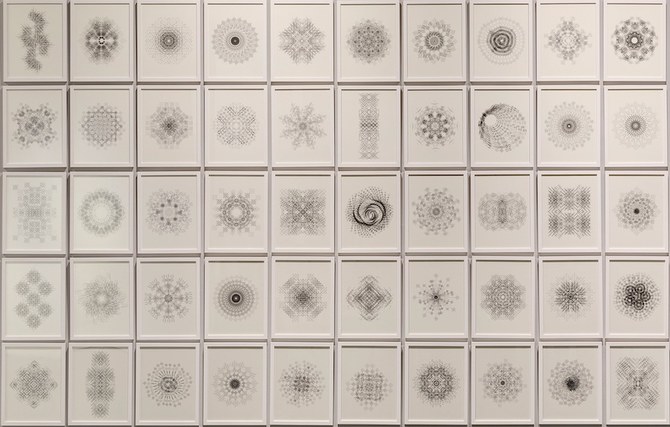
Saudi artist Lulwah Al-Homoud’s ‘The Language of Existence.’ Supplied
Short Url
Updated 29 March 2021
Follow

Saudi Arabia’s Mono Gallery heads to Art Dubai for the first time

DUBAI: The 2021 edition of Art Dubai, set to kick off on March 29, will welcome first-time gallery participants from Europe and the Middle East. Among the newcomers to the fair is the recently founded Mono Gallery, based in Riyadh. Founded in 2017, the Mono Gallery was established by Saudi businessman and medical engineer Momen Al-Muslimani, who sought to go beyond the monotonous lifestyle of his daily job as CEO of his company. In an atypical move, he ventured into the art world.

“I lost the excitement of challenges — of failure and success — and I started to look for something new,” he told Arab News from his office, decorated with a number of artworks created by the artists he supports.

The turning point in Al-Muslimani’s career was when he came across inspiring posts on Instagram that showed him how art can have a profound effect on people.
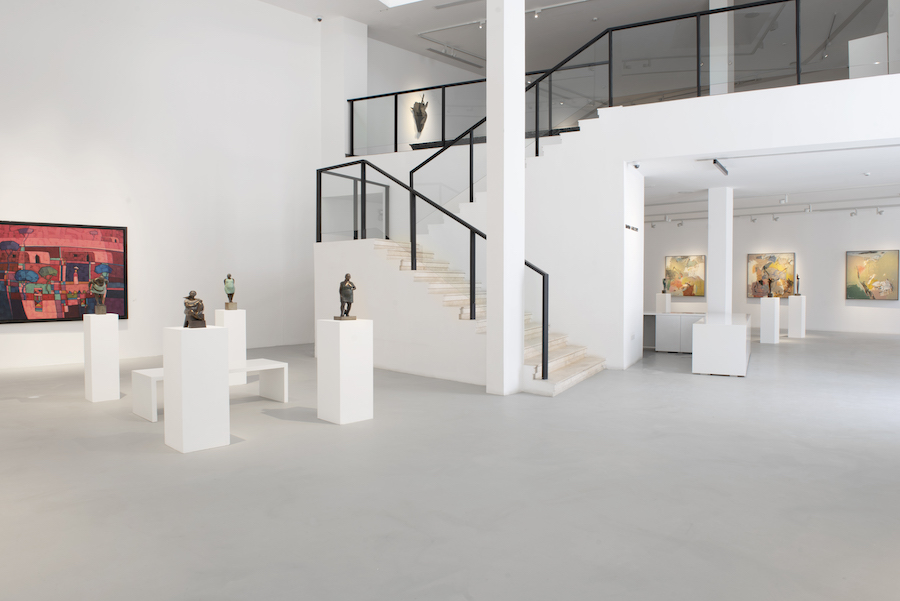


The Mono Gallery space. Supplied

“I thought, ‘Okay, let me discover this world,’ and I was keen to visit every art exhibition in Saudi Arabia, from Jeddah to Dammam and Alkhobar,” he said.

The lack of a gallery presence in Riyadh encouraged him to take action.

As director of his gallery, he currently represents a variety of artists who hail from the Arab world. Although the gallery’s name is phonetically similar to Al-Muslimani’s first name, he intentionally avoided naming it after himself.   
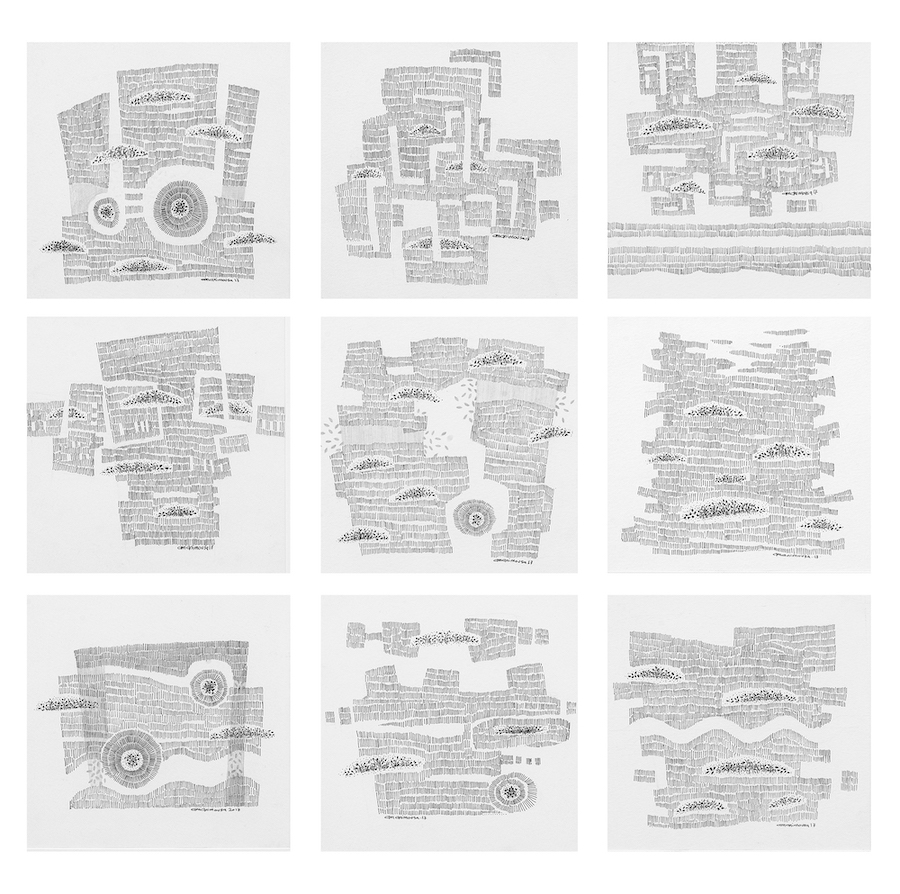


By Amani Mousa. Supplied

“I care about art and the artists,” he said. “I want to present them to the world and show that I am standing behind them. ‘Mono’ means a single, independent line. With that name, I wanted to express the idea that Mono Gallery has its own DNA or identity and is not a copy of anybody else.”

At the fair, the gallery will present an all-women’s line-up of works by four Saudi artists — Reem Al-Faisal, Lulwah Al-Homoud, Tarfah Al-Saud and Kholood Al-Bakr — and one emerging artist from Egypt, Amani Mousa. Exploring photography, geometry, and architecture, each multidisciplinary artist brings to light her own experience and interests as explored through art.
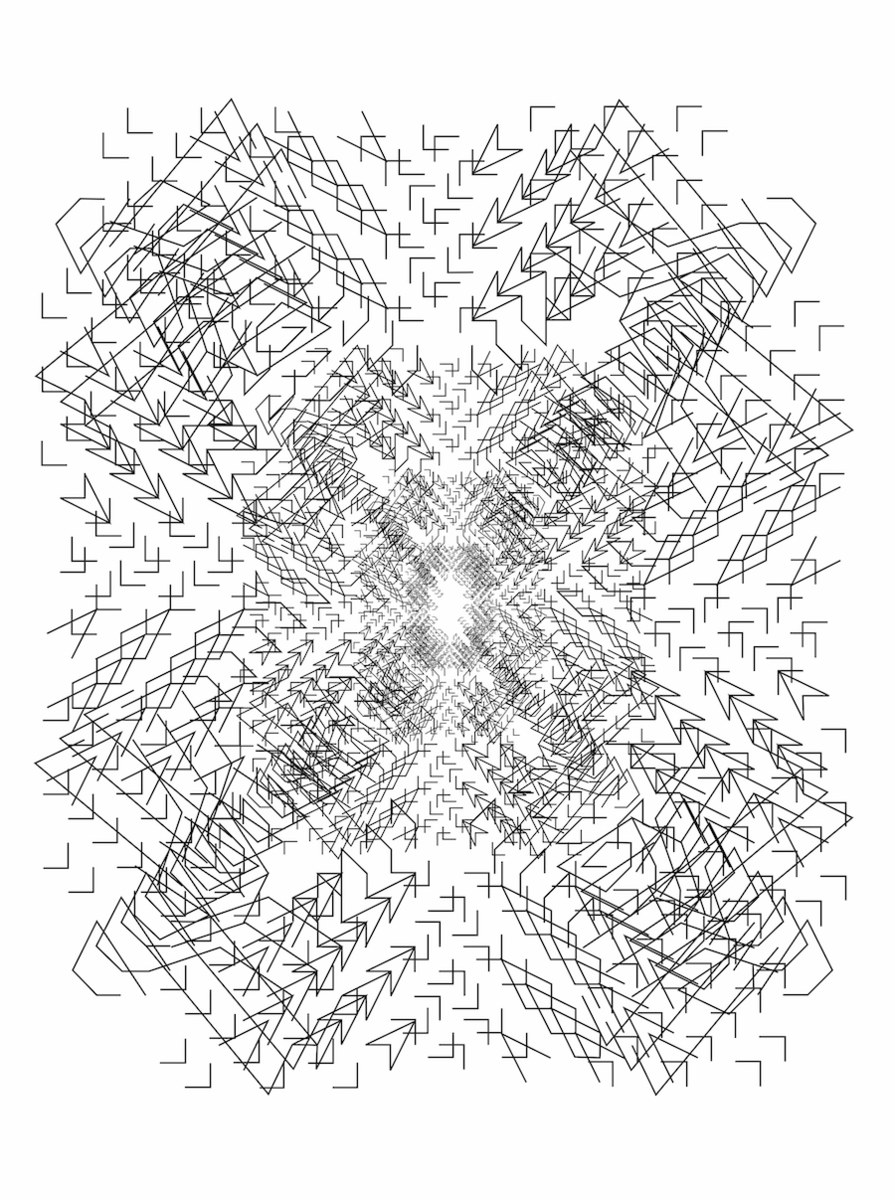


By Lulwah Al-Dhahir. Supplied

After what has been a challenging year for the arts sector due to the pandemic, Al-Muslimani believes it is more important than ever to participate this year at the fair. “I felt a responsibility toward Art Dubai,” he says. “They gave us the confidence, and they guided and helped us to present our artists and our identity. We have to pay them back by standing with them, also in hard times.”


Lebanese filmmaker turns archival footage into a love letter to Beirut

Updated 28 February 2026
Follow

Lebanese filmmaker turns archival footage into a love letter to Beirut

LONDON: Lebanese filmmaker Lana Daher’s debut feature “Do You Love Me” is a love letter of sorts to Beirut, composed entirely of archival material spanning seven decades across film, television, home videos and photography.

The film premiered at the 82nd Venice International Film Festival in September and has since traveled to several regional and international festivals.

Pink Smoke (2020) by Ben Hubbard. (Supplied)

With minimal dialogue, the film relies heavily on image and sound to reconstruct Lebanon’s fragmented history.

“By resisting voiceover and autobiography, I feel like I had to trust the image and the shared emotional landscape of these archives to carry the meaning,” Daher said.

A Suspended Life (Ghazal el-Banat) (1985) by Jocelyne Saab. (Supplied)

She explained that in a city like Beirut “where trauma is rarely private,” the socio-political context becomes the atmosphere of the film, with personal memory expanding into a collective experience — “a shared terrain of emotional history.”

Daher said: “By using the accumulated visual representations of Beirut, I was, in a way, rewriting my own representation of home through images that already existed."

Whispers (1980) by Maroun Bagdadi. (Supplied)

Daher, with editor Qutaiba Barhamji, steered clear of long sequences, preferring individual shots that allowed them to “reassemble meaning” while maintaining the integrity of their own work and respecting the original material, she explained.

The film does not feature a voice-over, an intentional decision that influenced the use of sound, music, and silence.

The Boombox (1995) by Fouad Elkoury. (Supplied)

“By resisting the urge to fill every space with dialogue or score, we created room for discomfort,” Daher said, adding that silence allows the audience to sit with the image and enter its emotional space rather than being guided too explicitly.

 The film was a labor of love, challenging Daher personally and professionally.

“When you draw from personal memory, you’re not just directing scenes, you’re revisiting parts of yourself and your childhood,” she said. “There’s vulnerability in that.”