



LOS ANGELES: Disney has added a new member to its iconic “Princess Line” with “Raya and the Last Dragon.”
Released for rental on Disney+, the film tells the story of Raya, a warrior-princess on the hunt for pieces of the mythic “Dragon Gem,” as she journeys through a land once filled with unity and dragons until a plague of evil spirits led to division between the people and the disappearance of the dragons.
“What attracted me to the project,” said Awkwafina, who plays Sisu, Raya’s companion and last remaining dragon, “was how it would not only feature the cultures of Southeast Asia but also its first Southeast Asian Disney princess.”
The look and feel of the five tribes of the land of Kumandra draw influence from real-world elements found in countries such as Thailand, Indonesia and Vietnam. This continues what may be a trend in Disney princess movies of showcasing the people and mythologies of cultures less seen in Western films, picking up where the Polynesian-inspired “Moana” left off.
“Recognizing that this movie was going to be inspired by the part of the world that my family’s from made me really excited,” said Kelly Marie Tran, voice of Raya. “Raya is someone who is a warrior and who gets to be really angry, which we haven’t seen before. I think Disney’s really trying to broaden the idea of what people think when they think of the word hero and when they think of the word princess.”
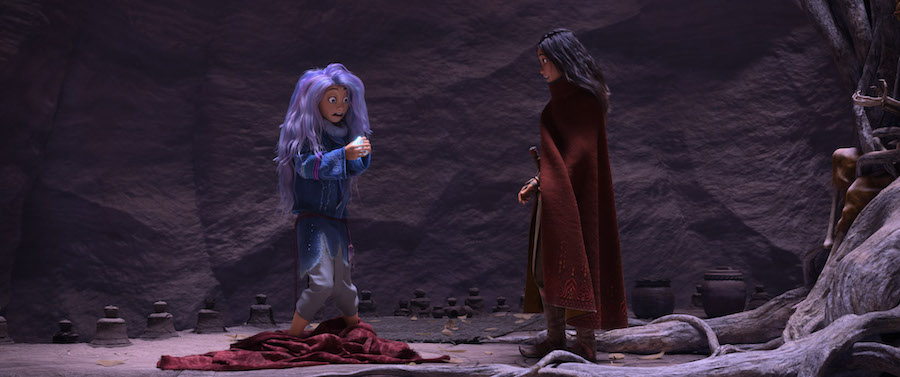
Released for rental on Disney+, the film tells the story of Raya, a warrior-princess on the hunt for pieces of the mythic “Dragon Gem.” Supplied
The newest Disney princess Raya is set apart from many of the other characters in the line. It is a consistent criticism that the princesses are often not given much in the way of character, more often than not having story events happen to them as opposed to embodying young women with agency, goals and flaws. But Tran was quick to not dismiss the earlier films entirely.
“I want to be really specific about the way that I speak about Disney princesses. I think a lot of times there’s sort of a negative connotation about those earlier movies and I don’t necessarily believe that,” she said.
“There really is nothing wrong with wanting to be in love or liking pretty dresses. The danger becomes when we only see the same types of art of representation over and over, so you think that’s the only thing you can do.”
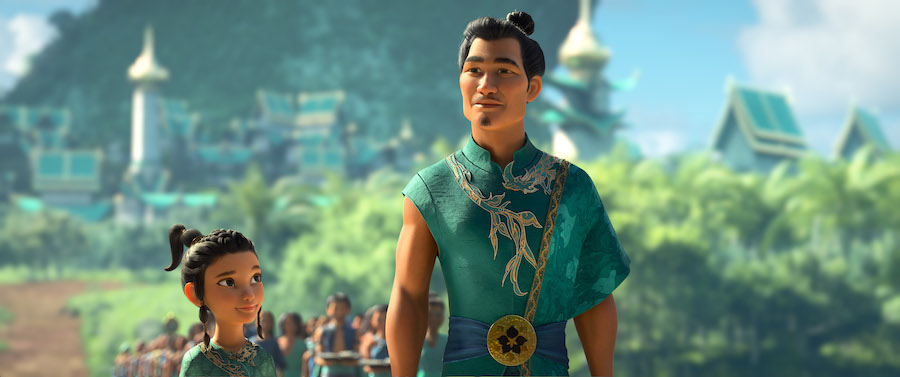
The look and feel of the five tribes of the land of Kumandra draw influence from real-world elements found in countries such as Thailand, Indonesia and Vietnam. Supplied
The film’s innovations in cultural depiction and in its heroine are not its only noteworthy aspects. It also provides a fascinating look at the production pipeline during the COVID-19 pandemic as the actors were forced to work from home.
“I think we had 450 cast and crew working from all around the world to make this film come together,” said Gemma Chan, who plays the film’s antagonist Namaari.
“When I did my first session on the film, we were in the first lockdown and I converted a small store room into a makeshift studio, putting padding on the walls. I’ve never done something like this from home before, having to be your own technician, failing spectacularly at it at times.”
While the cast would have loved the opportunity to play off each other by recording together, the finished film does not suffer. But according to the actors, the cutting-room floor is covered in audio and technical glitches caused by working remotely.
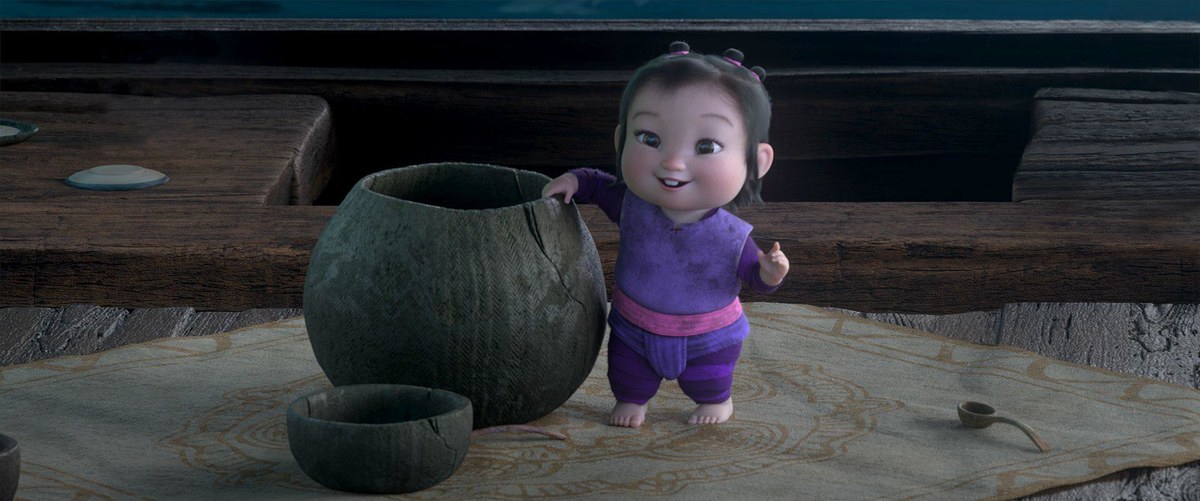
The film also provides a fascinating look at the production pipeline during the COVID-19 pandemic as the actors were forced to work from home. Supplied
“The Internet cutting out was bad. Sounds from outside. There’s a lot of construction around right now,” recounted Tran.
“You can’t hold traffic. Yelling,” Awkwafina added.
“I will say there were some positive experiences about it and those included being able to see inside people’s homes and getting more of their personality. I know that sounds so creepy,” Tran said, laughing.
“Raya and the Last Dragon” has not been without its negative responses. Some critics from the Southeast Asian community have expressed dissatisfaction with the portrayal of elements of the real world culture being done haphazardly, contributing to a view in which Asian cultures are seen as interchangeable.
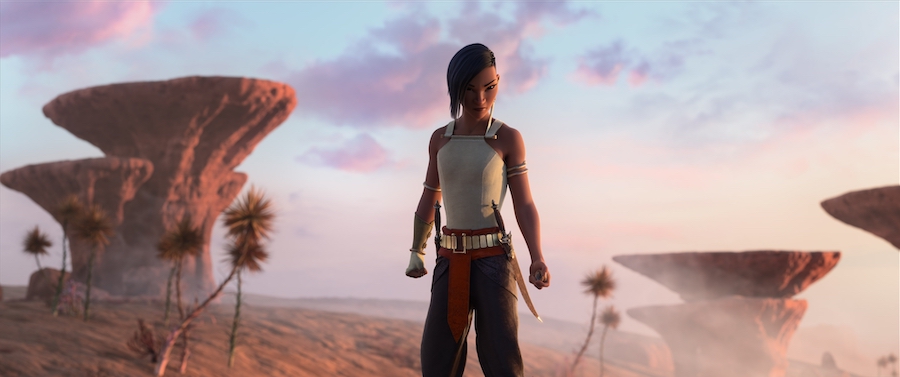
The film has stacked its cast with Asian stars and is being lauded for representing cultures long overdue for the silver screen. Supplied
And while the film has stacked its cast with Asian stars, there has been some backlash for not giving enough representation to actors from the specific countries the film draws inspiration from. Tran is Vietnamese-American, but many of the other actors are of East Asian descent not Southeast Asian.
Despite its shortcomings, “Raya” is being lauded for representing cultures long overdue for the silver screen. And the film’s moral is a timely response to modern problems.
As Tran sums it up, “fighting for a better world even if you’re living during a time where you don’t even know it exists is a worthwhile cause, and recognizing that the one thing to bring us out of all of this would be our communities and our relationships with each other.”


