

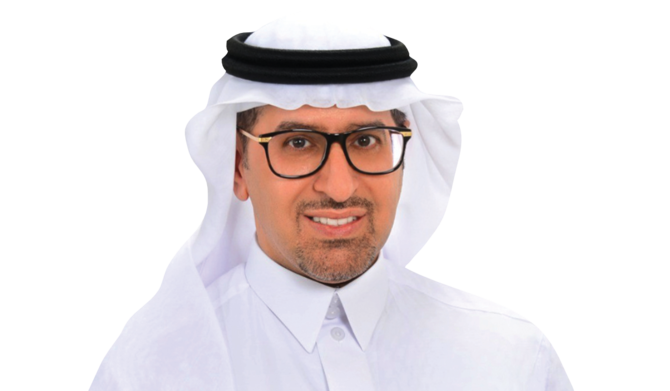

Ziad Al-Musallam has been the president and CEO of SAMI Advanced Electronics Co., a subsidiary of SAMI, since March 2021.
In this position, he is responsible for the overall strategic direction and financial profitability of the organization, overseeing the entire business, fiscal and operational activities of SAMI-AEC.
He has also been the executive vice president of advanced electronics at SAMI since December 2021, where he heads the division responsible for enhancing the nation’s capabilities in the local development and production of defense electronics.
As a seasoned corporate executive and technologist, he has more than 30 years of experience in the defense electronics and high-tech industry.
He began his career in 1988 as a design engineer at the National Information Center, joining SAMI-AEC’s operations department as a test engineer in 1991.
Established in 1988, the Riyadh-headquartered SAMI-AEC designs, develops, manufactures, maintains and repairs advanced systems and products in the defense and aerospace, information and communications technology, security and energy sectors.
Before his appointment as CEO, Al-Musallam was executive vice president of engineering and operations. He was senior vice president of engineering and development between 2014 and 2017, when he was responsible for managing the company’s technical and engineering operations.
He was also senior vice president and acting general manager of the energy business unit between 2015 and 2017, heading the industrial products business in the energy sector.
Following his appointment as CEO, Al-Musallam expressed his keenness to intensify the company’s role as a leading player in achieving the defense localization goals of Saudi Vision 2030.
Al-Musallam serves as board chairman of Advanced Electronics Support Services Co. and SAMI-Thales joint venture.
He is also an active member of various industry committees and councils, including the Industrial Committee at Riyadh Chamber of Commerce, the Industrial Council at the Ministry of Industrial and Mineral Resources, the Consulting Council at the Department of Computer Engineering at King Saud University, and the Saudi Council of Engineers at Consultant grade.
Al-Musallam holds a master’s degree in electrical engineering and a bachelor’s degree in computer engineering from King Saud University in Riyadh. He has also earned several management and leadership credentials from global institutions such as INSEAD.


