



JEDDAH: Saudi Arabia on Monday launched two satellites, including the first one to be launched by a local university, the Saudi Press Agency reported.
Shaheen Sat 17, from King Abdul Aziz City for Science and Technology (KACST), and CubeSat, from King Saud University (KSU), were launched from the Baikonur Cosmodrome in Kazakhstan on board Russia’s Soyuz-2 carrier rocket.
Shaheen Sat 17 is a new generation of small-size satellites and is dedicated to photographing the Earth and tracking ships from low orbits.
CubeSat is the first satellite to be launched by a Saudi university. It is an educational project aiming to prepare and qualify engineering students and the university in the field of satellite design and programming.
“This achievement was the fruit of the great support that the Kingdom’s research, development, and innovation sector receives from King Salman and Crown Prince Mohammed bin Salman,” said KACST chief Dr. Anas bin Faris Al-Faris.
He said the successful launch of the satellite was a continuation of the successes achieved by the Kingdom in the space sector, adding that KACST had developed and manufactured a set of highly efficient satellites that provided imaging and reconnaissance services.
KACST has launched 17 satellites during the past 20 years.
FASTFACTS
• Shaheen Sat 17 is a new generation of small-size satellites and is dedicated to photographing the Earth and tracking ships from low orbits.
• CubeSat is the first satellite to be launched by a Saudi university. It is an educational project aiming to prepare and qualify engineering students and the university in the field of satellite design and programming.
Shaheen Sat was developed by a Saudi team comprising specialists from various engineering disciplines, in cooperation with KACST partners.
Al-Faris said the satellite provided images for the government and private sector to serve the Kingdom’s development goals.
“KACST will cooperate with the Saudi Space Commission to invest in technology and develop and manufacture highly efficient satellites within a short period of time.”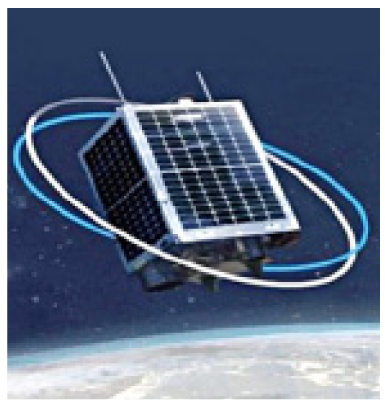
Saudi Space Commission CEO Abdul Aziz bin Mohammed Al-Asheikh said that these achievements would allow the nation’s space sector to achieve the status befitting the name of the Kingdom regionally and internationally at all levels, especially since the space sector was characterized by sustainable growth, making it an economic and strategic future sought by all developed countries.
KSU President Dr. Badran bin Abdulrahman Al-Omar said: “CubeSat’s technical mission is to capture photographs of the space, the Earth, and the moon and send them to the Earth station at the university.”
He said that CubeSat was designed and manufactured by about 130 students from the university’s College of Engineering as part of a scientific project that started in 1999 at California Polytechnic State University and Stanford.
KSU’s next project includes launching a larger CubeSat, with some of its parts manufactured locally, through the experience gained from the first satellite project to carry out research missions.


