


KARACHI: A Pakistani startup says it is confident to export the services of more than 2,000 highly trained software engineers to the Silicon Valley in the United States after securing $1.4 million in seed money earlier this month.
Headquartered in Lahore, Remotebase commenced its operations last April to enable and promote local information technology experts and companies.
The organization benefited from a financing round that was led by Draper Associate, a seed-stage venture capital firm founded by Tim Draper, Hustle Fund Venture Capital, and Indus Valley Venture Capital.

In this undated file photo, Qasim Asad Salam, co-founder of Remotebase, poses for a photograph in US with Tim Draper, an American venture capitalist, who invested in the Pakistani company. (Photo courtesy: Remotebase)
Draper Associates and Hustle Fund have invested in any Pakistani startup for the first time.
“We received an overwhelming response from the investors,” Qasim Asad Salam, the company co-founder, told Arab News in an interview over phone on Friday. “In fact, a substantial amount offered by the investors had to be declined since our venture is already profitable. The round was held to expand our network through external support.”
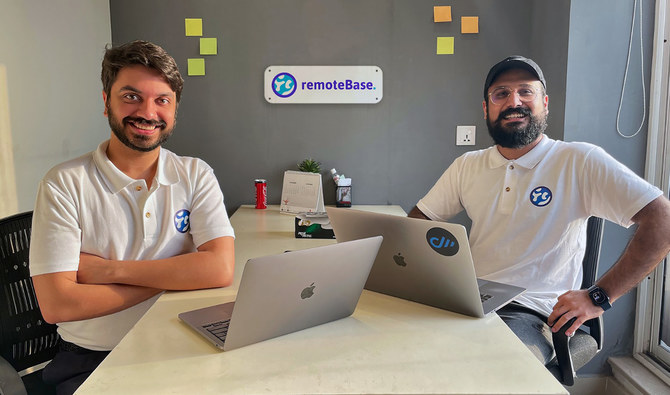
Founded by Salam and Talha Masood, the Pakistani company hires and trains local engineers to work with American startups in the Silicon Valley by offering them rigorous training.
“Since the inception of the venture in April last year, our monthly growth has remained in double digits. Our team has also grown to 40 individuals, including 30 engineers. Over the next 12 months, we have to increase the number of engineers to 150,” Salam said.
“Over the next two years, our target is to train 2,000 engineers for global market who will be directly working with American companies in the Silicon Valley and around,” he continued, adding: “This implies that we will be a major player.”
Salam said the company had ambitious long-term plans.
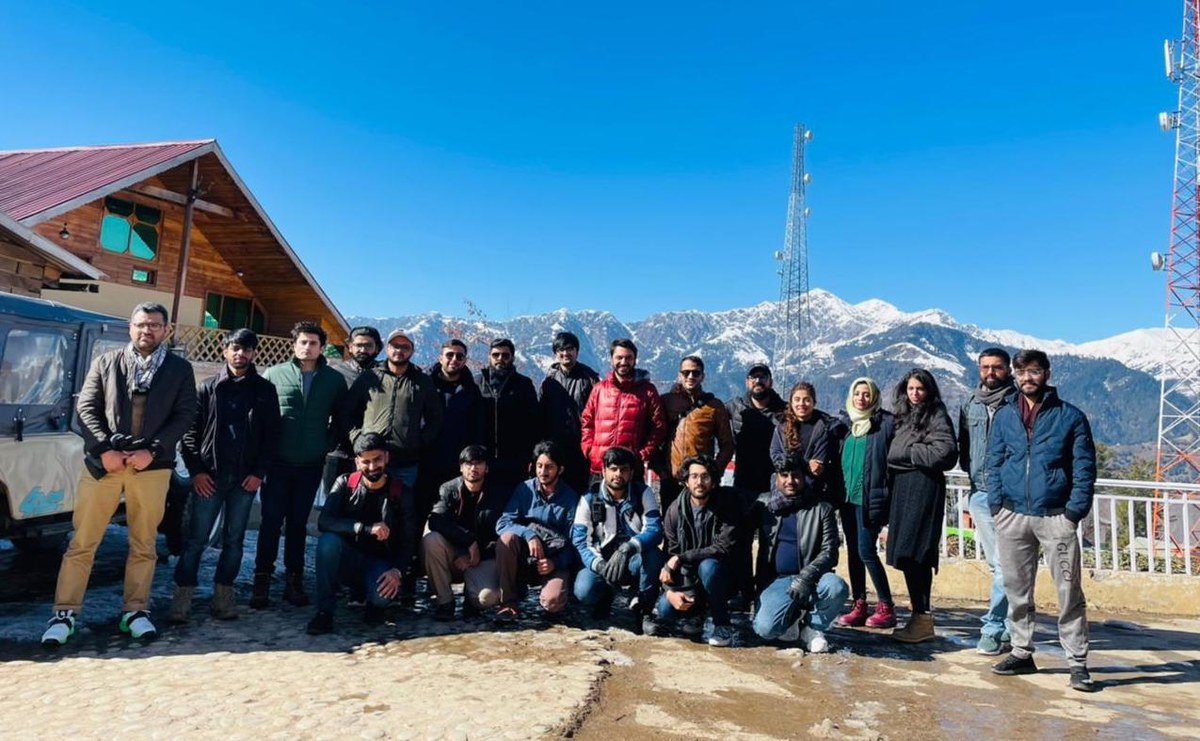
In this undated file photo, team members of a Pakistani startup, Remotebase, pose for a picture in Murree. (Photo courtesy: Remotebase)
“For a longer period, let’s say for the next 20 years, we target to produce top global engineers from Pakistan by training 100,000 to 200,000 people not only for the US but also for other western and regional markets,” he informed.
Despite being in a financially comfortable position, the startup co-founder did not rule out another round of funding in the future to strengthen the organization further.
The startup currently hires, trains and exposes Pakistani software engineers to the global market, claiming that its vetting process has been producing highly skilled experts.
“We don’t hire engineers without vetting. Those who join begin the boot camp from the outset,” he said.
“Our selection process is producing quality engineers. Once they begin to work with employers, things become easier. Working relationship with one client introduces you to others, and that is how the ball keeps rolling,” he added.
Salam noted that Pakistani engineers were making a huge difference to the country’s information technology landscape by working from the cozy comfort of home.
“The ecosystem of the startup is still in its early stage,” he said, adding: “The potential here is unlimited, but Pakistani engineers need a lot of training, directions and access to innovative companies.”
The Remotebase co-founder said he was content with the existing enabling environment for technology-based companies, though he added that Pakistan should try to benefit from the remote working culture that has gained strength across the world due to the outbreak of COVID-19.


