PESHAWAR: After months of political wrangling, a group with the Pashtun Tahafuz Movement (PTM) has decided to form a political party that will register itself with the Election Commission of Pakistan and take part in parliamentary politics, high-profile members of the group said this week, though the leader of the movement dismissed the reports as social media rumors.
PTM has campaigned for the rights of Pakistan’s ethnic Pashtuns and against what it says are military excesses committed during anti-terrorism operations in the country’s northwest Khyber Pakhtunkhwa province where most Pashtuns live. The military has vociferously denied the accusations.
“It’s true that like minded people who firmly support the movement want to practice parliamentary politics and register a political party for that purpose,” Abdullah Nangyal, a senior PTM leader said. “The new party will not use the Pashtun Tahafuz Movement’s name for registration.”
He added that leaders in favor of launching the political party were “finalizing its modalities.”
The PTM emerged in 2018 after a 27-year-old aspiring model, Naqeebullah Mehsud, was killed in a staged police operation in Karachi.
Mehsud originally belonged to the country’s northwestern tribal territories, and his death ignited nationwide protests that led to the rise of the PTM.
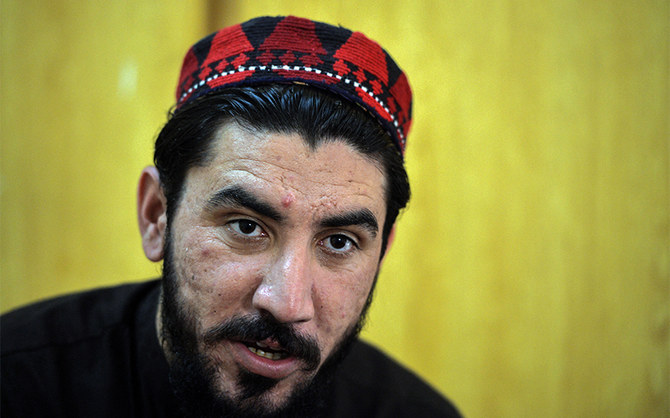
Asked about the development, PTM’s most prominent leader, Manzoor Pashteen, told Arab News “such rumors were only circulating on social media.”
“The PTM is a political resistance movement which is not into parliamentary politics,” he said. “We are a movement and will continue to be a movement.”
Another senior PTM leader said on condition of anonymity it was premature to disclose details relating to the new party, though he confirmed that the issue had been under discussion for several months.
“We can’t give a timeframe regarding the launch of the new party,” he continued, “but talks are underway in this connection.”
Last week, media reports claimed senior politicians Afrasiab Khattak, Bushra Gohar, Jamila Gilani and president of the Supreme Court Bar Association Latif Afridi had met PTM leader Mohsin Dawar to mobilize likeminded individuals to form a new political party.
Discussing the development, Khattak told Arab News he was a staunch PTM supporter, though he added it was up to the movement if it wanted to enter mainstream politics.
“I’m a politician and will continue to practice politics in the future,” he said. “However, the decision to register a new political party solely rests with the PTM leadership.”
Background interviews suggest PTM leaders are sharply divided over the issue, though Nangyal maintained that those who wanted to join the new political faction would also continue to support the movement.
Muhammad Daud Khan, a senior Peshawar-based analyst, said the debate over PTM’s future could further deepen the rift within the movement, adding that PTM leaders must seriously consider the option of entering mainstream politics.
“If the group wants sustainability in the longer run, it should enter parliamentary politics since it already has significant support in places like Khyber Pakhtunkhwa and Balochistan,” Khan said. “Going by our national history, resistance movements don’t last for long in Pakistan.”


![]()

Pashtun Tahafuz Movement leader denies reports group wants to form political party
Short Url
https://arab.news/9syj3
Pashtun Tahafuz Movement leader denies reports group wants to form political party
- Top PTM leader Manzoor Pashteen dismisses social media rumors, says movement will continue to be a political resistance
- Some PTM members confirm Mohsin Dawar and others within the social movement want to form a political party to take part in parliamentary politics
Latest updates


Recommended


© 2026 SAUDI RESEARCH & PUBLISHING COMPANY, All Rights Reserved And subject to Terms of Use Agreement.